
Louisiana Water Treatment • WaterSoftenerPlus

$1,610.00
Fleck 5600SXT 48.000-Korn Wasserenthärter – Komplettes System für Ihr Zuhause
✓ Free shipping in the USA · ✓ 90-day returns · ✓ Secure checkout

Fix Hard Water, Taste/Odor & Problem Wells — Louisiana
We build Louisiana-ready systems that protect plumbing, improve taste, and cut operating costs.
- Taste/odor challenges
- Iron & sulfur in wells
- Sediment

Scale on fixtures & heaters; better skin/hair with softening.
Improve taste & feel; protect rubber & plastics.
Iron/sulfur staining & odor; sediment control.
Popular Solutions in Louisiana

Commercial: RO & UV for Louisiana
High-output RO for taste consistency; UV for microbial protection; softening for hot water & laundry—configured for your demand.

FAQs — Louisiana
Will softening help my water issues?
How do I handle chlorine taste/odor?
What if I’m on a private well?
Understanding Water Hardness in Louisiana
The first step in determining the need for a water softener is understanding the hardness level of your water. Water hardness is primarily caused by minerals such as calcium and magnesium. In Louisiana, many areas have naturally hard water due to limestone formations. You can measure hardness using a water testing kit available at home improvement stores, or by obtaining a water quality report from your local water utility.
Generally, if your water hardness exceeds 7 grains per gallon, you may notice scale buildup on fixtures and appliances, which can lead to increased maintenance costs. Additionally, you might experience dry skin or dull hair after showering. Identifying the specific hardness level will help you select the most appropriate water treatment solution.
Choosing the Right Water Softener for Louisiana Households
When selecting a water softener, consider the size of your household and the daily water consumption. Systems are typically rated by the number of grains of hardness they can remove per cycle. A household of four generally requires a softener that can handle around 30,000 to 40,000 grains.
Another factor to consider is the type of softening system: traditional salt-based softeners are popular but require regular salt replenishment, while salt-free systems use alternative methods to reduce scale without the use of salt. Evaluate the trade-offs between maintenance needs and the effectiveness of each system based on your specific water quality challenges.
Common Mistakes When Selecting a Water Treatment System
One of the common missteps homeowners make is underestimating their water needs. Purchasing an undersized system can lead to inadequate softening, while an oversized unit may lead to increased operational costs and salt wastage. Always consult sizing charts or a water treatment professional to ensure you choose a system that meets your household's requirements.
Another mistake is neglecting to address additional water quality issues such as iron or sulfur presence. If your water has a noticeable metallic taste or staining, consider systems that combine softening with iron and sulfur removal capabilities to achieve comprehensive treatment.
Regular Maintenance for Optimal Performance
Routine maintenance is essential for ensuring the longevity of your water treatment system. Regularly check the salt levels in your brine tank and replenish as needed. Cleaning the resin beads in your softener every few months can help maintain efficient operation and prevent buildup. Additionally, monitor your system for any signs of leakage or unusual noises, which can indicate the need for professional service.
It is also recommended to test your water periodically to ensure that the softener is functioning correctly and that your water quality is meeting your expectations.
What is the best way to measure my water hardness?
The most effective way to measure water hardness is by using a home testing kit that provides a numerical value for hardness levels. Alternatively, you can contact your local water utility for a water quality report.
How often should I test my water after installing a softener?
It is advisable to test your water every six months to a year after installation to ensure that the softener is effectively reducing hardness and addressing any additional contaminants.
Can I install a water softener myself?
While some homeowners may choose to install a water softener themselves, it is often recommended to hire a professional to ensure proper installation and adherence to local codes, especially if additional modifications are necessary for plumbing or drainage.
Salt or salt-free — your choice
Both approaches stop scale. They do it differently, and neither is automatically the right answer — pick the one that fits your water and your household.
Salt-based softener
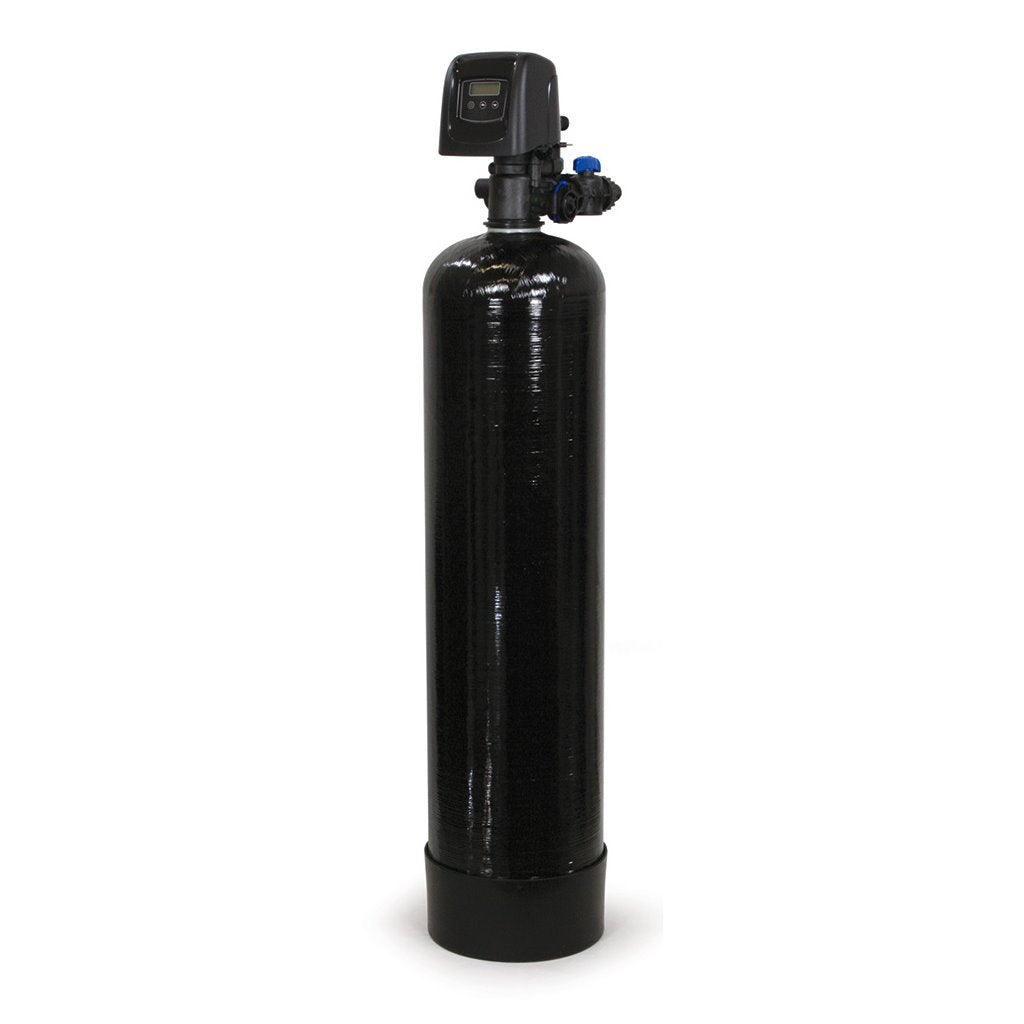
Fleck 5600SXT 48,000 Grain Water Softener – Complete Whole-House System
Removes the calcium and magnesium from your water by ion exchange, so you get genuinely soft water: no scale, less soap, softer laundry and skin.
Needs salt topped up and a drain connection.
Full detailsSalt-free scale control
Salt-Free Eco Whole-Home System — No Salt, No Drain, No Waste
Leaves the minerals in the water but changes them so they stop sticking to pipes, heaters and fixtures — scale protection without softening.
No salt, no drain, no wastewater — and no soft-water feel.
Full details