
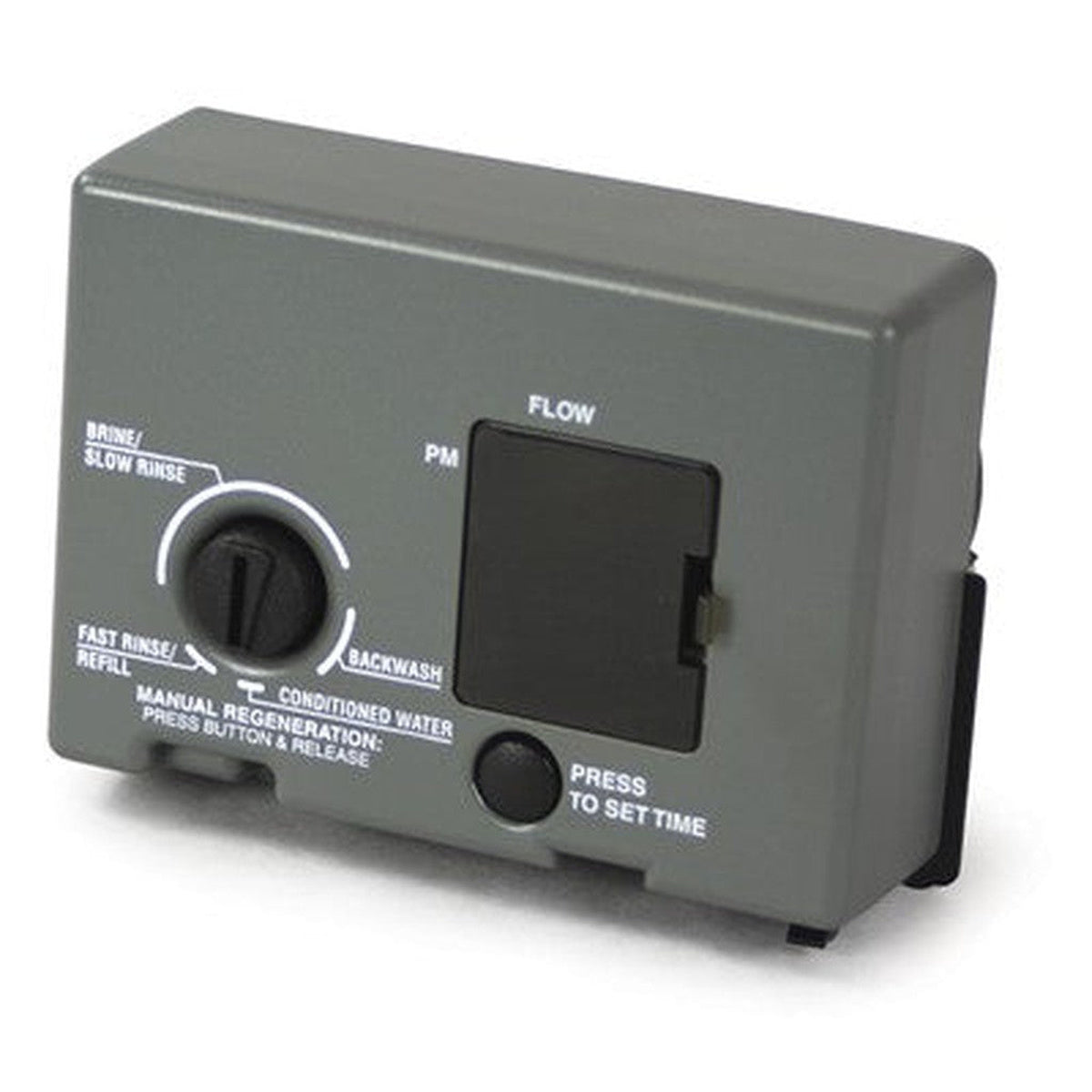
Autotrol 460i Timer 58845
$586.00
✓ Free shipping in the USA · ✓ 90-day returns · ✓ Secure checkout

Understanding the Autotrol 460i Timer 58845
The Autotrol 460i Timer 58845 stands out in a world where households struggle with the quality of their water. Its design specifically addresses the frequent fluctuations in water quality that can affect both efficiency and system performance. This timer helps maintain optimal operation in water treatment systems, ensuring you get the best water possible.
Key Features of the Autotrol 460i Timer
- User-Friendly Interface: The intuitive interface allows for easy programming and adjustments, making it simple to customize settings based on your household’s unique water needs.
- Durability: Built to withstand various water conditions, the robust casing protects the internal mechanisms from corrosion and wear, ensuring longevity.
- Versatile Compatibility: The Autotrol 460i Timer is compatible with numerous water treatment systems, providing flexibility for various setups.
- Precision Timing: With its reliable timing mechanism, the 460i ensures precise regeneration cycles, optimizing the performance of your water softener.
Understanding Water Chemistry and Hardness
Before investing in a new timer, it's vital to explore the existing water chemistry in your home. Hard water typically contains high levels of calcium, magnesium, and other minerals, which can lead to scale buildup in pipes and appliances, affecting their lifespan and efficiency.
Measure the hardness of your water in grains per gallon (GPG) or parts per million (PPM) before purchasing a water treatment system. Knowing this measurement helps in selecting the right resin tank size and grain capacity for your softener, which impacts how often the system needs to regenerate.
Sizing Considerations for Optimal Performance
Selecting the right size for your water softener is instrumental in maximizing efficiency. Here's what to consider:
- Flow Rate: Determine the peak flow rate of your household requirements. A flow rate that is too low may not adequately serve your needs, while one that is too high could waste resin.
- Grain Capacity: This capacity indicates how much hardness the system can handle before regeneration is required. Choose a capacity that corresponds to your household’s water usage and hardness level.
- Tank Size: The size of the brine tank should complement the resin tank size to ensure sufficient salt and water for regeneration cycles.
Maintenance Intervals and Key Checks
Regular maintenance is crucial for ensuring the longevity and efficiency of your Autotrol 460i Timer. Establish a routine to check the following:
- Salt Levels: Ensure sufficient salt is present in the brine tank. Low salt levels will prevent proper regeneration of the resin beads.
- Valves and Seals: Regularly check for leaks and ensure that the valves and seals are functioning correctly. This prevents water from bypassing the treatment process.
- Timer Settings: Periodically verify that the timer settings are accurate, adapting them based on changes in water use or quality.
- Resin Cleanliness: If you notice a decline in performance, inspect the resin for clogs or fouling and consider a cleaning procedure if necessary.
Tips for Purchasing the Right Timer
When preparing to purchase the Autotrol 460i Timer, consider these essential tips to avoid common pitfalls:
- Confirm Compatibility: Ensure the timer matches the specific model and type of your existing water treatment system to guarantee seamless integration.
- Understand Your Needs: Assess your household's water usage patterns to determine the ideal settings for your timer. This will assist in optimizing the softening process.
- Prioritize Quality: Choose a reputable retailer to ensure product authenticity and receive proper support should you encounter any issues.
Avoiding Common Mistakes
Many homeowners can make critical errors that impact their water system's effectiveness. Here are a few pitfalls to avoid:
- Neglecting Proper Sizing: Choosing a timer that fails to accommodate the household’s water consumption can lead to inefficient operation.
- Inconsistent Maintenance: Skipping maintenance checks can lead to severe performance issues down the line, resulting in costly repairs.
- Ignoring Local Water Quality: Failing to adjust your settings based on local water conditions can lead to unmet water quality expectations.
Conclusion
The Autotrol 460i Timer 58845 is an investment in your home's water quality. By understanding the nuances of your water chemistry, properly sizing your system, and maintaining it diligently, you can maximize the benefits of your water treatment solution. Ensure you take the time to assess your needs and avoid common traps, setting yourself up for success in achieving clean, soft water.
Understanding Water Hardness
Water hardness is primarily caused by dissolved minerals, particularly calcium and magnesium ions. The hardness of water can significantly impact household activities, from the effectiveness of soaps and detergents to the longevity of plumbing appliances. Knowing your water’s hardness level can help you make informed decisions regarding water treatment systems like the Autotrol 460i Timer.
How to Measure Water Hardness
Measuring the hardness of your water can be straightforward. Homeowners can purchase a water hardness test kit, which typically involves collecting a water sample and using a reagent to determine its hardness level. Some common methods include:
- Colorimetric tests: These kits change color based on hardness levels, helping you estimate calcium and magnesium concentrations.
- Titration tests: This method involves a more precise chemical reaction to quantify mineral content.
- Digital testers: These offer a quick, electronic measurement of water hardness.
Interpreting Hardness Levels
Water hardness is usually categorized as follows:
- Soft Water: 0-60 mg/L
- Moderately Hard Water: 61-120 mg/L
Understanding these categories can help you select the appropriate water treatment system to manage mineral deposits effectively.
The Role of Salt in Water Softeners
Salt plays a crucial role in the operation of water softeners, particularly in systems that use ion exchange technology. It facilitates the removal of hard minerals from water through a process known as regeneration.
Types of Salt for Water Softening
There are different types of salt available for use in water softening, each with its advantages:
- Rock Salt: Inexpensive and readily available but may contain impurities that can clog the softener.
- Solar Salt: Evaporated from seawater and generally more pure than rock salt, making it a preferred choice.
- Pelleted Salt: Manufactured for consistency and purity, it dissolves easily and minimizes residue.
Salt Dosage and Maintenance
It's essential to maintain appropriate salt levels within your water softener. Insufficient salt can lead to incomplete regeneration, resulting in hard water reaching your taps. Regularly check your salt levels and refill as necessary. Depending on your water usage and hardness levels, you may need to check your salt level once a month.
Understanding Regeneration Cycles
The regeneration cycle is essential for the operation of your water softening system. It is the process through which the resin beads within the softener are recharged with sodium ions, allowing them to continue removing hardness from the water.
Types of Regeneration Cycles
There are two primary types of regeneration cycles:
- Time-based regeneration: This cycle occurs at predetermined intervals, regardless of the water usage. It is generally suitable for households with consistent usage patterns.
- Demand-based regeneration: This method measures the actual water used and initiates regeneration only when necessary. It is more efficient for households with fluctuating water demands.
Frequency of Regeneration
The frequency with which your system regenerates will depend on your household's water usage and the hardness of your water supply. It is important to monitor both your water consumption and softener performance to adjust regeneration settings accordingly.
Environmental Considerations
The use of water softeners can have environmental implications, particularly concerning the disposal of brine waste. Here are some considerations to keep in mind:
Brine Disposal
Brine is a byproduct of the regeneration process in water softeners. It's essential to be aware of local regulations regarding brine disposal as it can impact water quality in nearby ecosystems. Consider contacting local authorities for guidance on sustainable practices in your area.
Alternatives to Traditional Water Softeners
If you're concerned about the environmental impact of traditional salt-based water softeners, there are alternatives available:
- Potassium-based systems: These use potassium chloride instead of sodium chloride, which can be better for the environment.
- Descaling systems: These devices alter the chemical structure of minerals in hard water, reducing buildup without removing them.
- Magnetic and electronic descalers: These systems claim to prevent scale buildup using magnetic fields and electronic impulses, although effectiveness varies.
Integrating Water Treatment Systems
To achieve optimal water quality, many homeowners choose to integrate their water softener with additional treatment systems. Complementary systems can include:
Reverse Osmosis Systems
Reverse osmosis (RO) systems are designed to remove a wide range of contaminants, including chlorine, heavy metals, and dissolved solids. When paired with a water softener, RO systems can enhance the overall quality of the water, ensuring it is not only soft but also purified.
Water Filters
Incorporating a dedicated water filter system can effectively address specific contaminants that a water softener may not target. For instance, carbon filters can remove chlorine and volatile organic compounds (VOCs) from water, improving taste and odor.
Professional Installation vs. DIY
Deciding whether to install your water treatment system yourself or hire a professional can be a challenging choice. Factors to consider include:
Complexity of Installation
Some systems are designed for simple installation, while others may require advanced plumbing skills. Evaluate your comfort level with plumbing and electrical work before deciding.
Long-term Support
Professional installation often includes support and a warranty. If issues arise with the system, a qualified technician may offer quicker and more reliable service than if you undertake the installation yourself.
Conclusion
Understanding various aspects of water treatment systems beyond timers, including hardness measurement, salt usage, regeneration cycles, environmental considerations, integration with other systems, and installation options, will empower homeowners to make informed choices regarding their water quality. This comprehensive approach ultimately leads to a more efficient and sustainable household water management system.
Regular Maintenance Practices
Maintaining your water treatment system is essential for ensuring its longevity and optimal performance. Adopting regular maintenance practices can prevent costly repairs and extend the lifespan of your system. Here are key maintenance tasks to consider:
- Salt Level Checks: Regularly check the salt levels in your water softener. Low salt levels can hinder the softening process and lead to hard water issues.
- System Cleaning: Clean the brine tank and resin bed of your water softener periodically to prevent buildup that can affect efficiency.
- Inspect for Leaks: Routinely examine the system for any signs of leaks or corrosion to mitigate water loss and damage.
Adjusting Water Softener Settings
Adjusting the settings on your water softener can ensure it operates efficiently based on your specific water conditions. Consider the following:
- Hardness Level Adjustment: Test your water hardness and adjust the settings on your softener to reflect the current hardness level, which may change over time.
- Regeneration Frequency: Modify the regeneration cycle based on your water usage patterns to avoid wasting water and salt.
Water Quality Testing
To ensure that your water treatment system is effectively improving water quality, regular testing is vital. Testing can include:
- Hardness Tests: Use test kits to measure calcium and magnesium levels in your water to confirm the effectiveness of your softener.
- Contaminant Screening: Consider comprehensive water testing to detect harmful contaminants, including bacteria and heavy metals, especially if you use well water.
Understanding Water System Filtration Technologies
Various filtration technologies are available for different needs, which can complement your water softener:
- Ultraviolet (UV) Systems: Ultraviolet systems use UV light to effectively kill bacteria and viruses without the use of chemicals.
- Whole House Filtration: For comprehensive protection, a whole house filtration system can remove a wide range of contaminants and is ideal for households looking for complete water purity.
Incorporating these additional insights into your water treatment strategy can significantly enhance the quality of your home’s water, providing a safer and more satisfying experience for all household members.