
Lubbock, TX Breweries: Water Treatment Equipment Guide
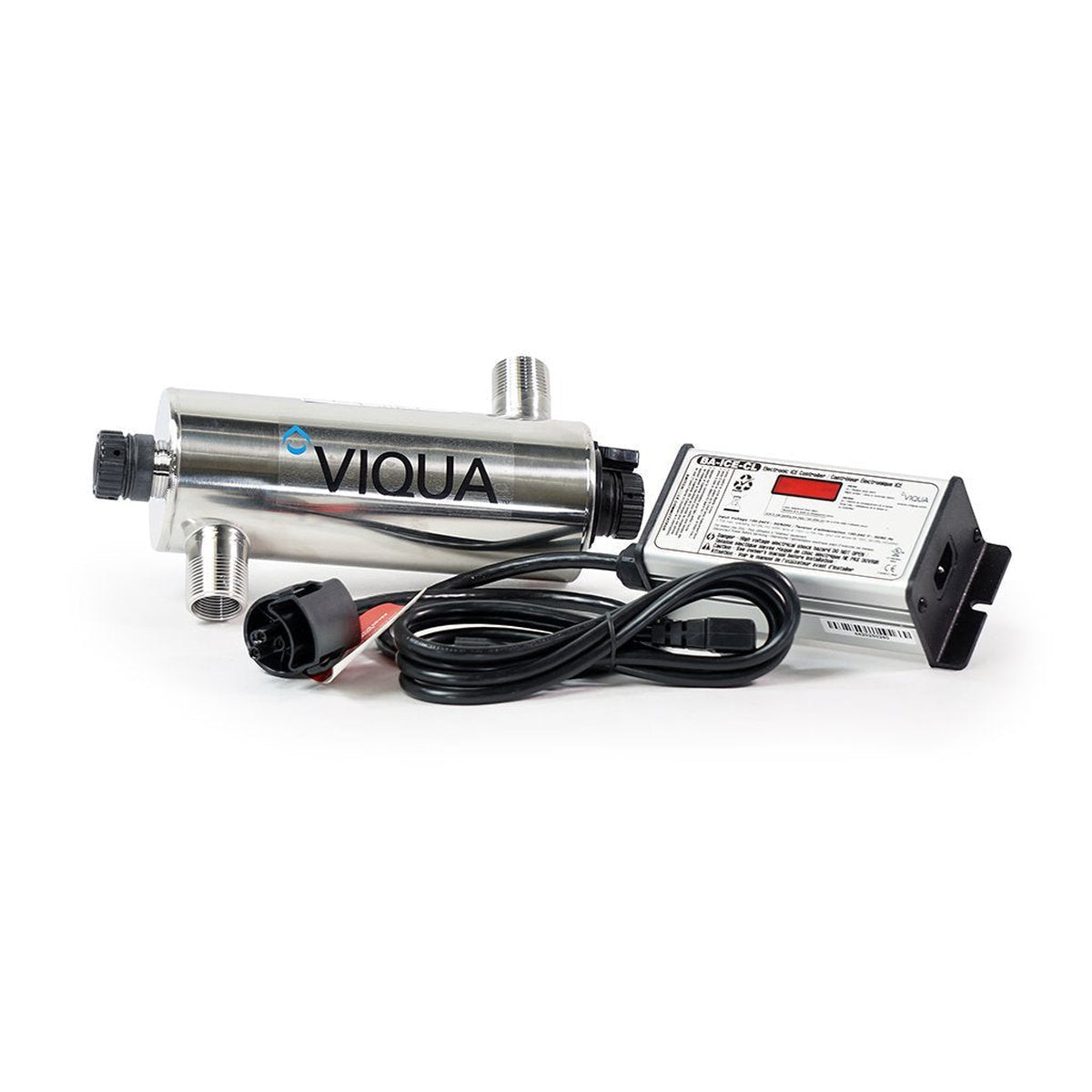
$681.40
Viqua VH150: Esterilizador UV para agua segura y limpia
✓ Free shipping in the USA · ✓ 90-day returns · ✓ Secure checkout

Viqua VH150 UV water sterilizer, 5 GPM flow rate — VIQUA-VH150, VIQUA UV Sterilizer, 5 GPM, VH150
Buy NowLubbock, TX Breweries: Water Treatment Equipment Guide
For breweries operating in Lubbock, the purity and consistency of water can define the character and quality of the craft beers produced. When untreated, water can inflict significant consequences on both your brewing equipment and operational costs. Deterioration of machinery due to scale buildup and corrosion can lead to extended downtime, costly repairs, and inefficient production cycles.
Understanding Water Treatment Needs
Every brewery faces unique operational demands influenced by both peak and average production schedules. During peak times, breweries may experience a surge in water usage, highlighting the need for appropriately sized water treatment solutions. Understanding the duty cycle of your brewing operation is crucial. This aspect drives key decisions on sizing, flow rate (measured in gallons per minute, GPM), and overall capacity (typically measured in grains per gallon per day, GPD).
Calculating Sizing and Flow Rate
When it comes to selecting water treatment equipment, accurate sizing is fundamental. You’ll need to consider:
- Peak Flow Rate: The highest water usage during busy periods, which impacts the design of your system.
- Average Flow Rate: Regular day-to-day water usage for brewing, cleaning, and other processes.
- Capacity Needs: The total volume of water required for production, which informs your grain capacity selection.
Redundancy and System Configuration
It's important to consider redundancy for your water treatment equipment. A duplex or alternating configuration helps ensure that operations can continue smoothly, even if one unit requires maintenance or experiences downtime. This is particularly vital in a brewery where consistent water quality is paramount to maintaining product standards.
Pretreatment Requirements
Pretreatment may involve several steps to optimize water quality before it reaches the main treatment technology. Factors to assess include:
- Filtration: Removing large particles and debris that could damage your brewing equipment.
- Softening: Addressing hardness levels to prevent scale buildup.
- Chlorine Removal: Ensuring that any residual chlorine does not affect flavor.
Maintenance and Consumable Intervals
Regular maintenance is essential for sustained performance of your water treatment equipment. Knowledge of maintenance schedules and consumable replacement intervals (such as filters and resin) aids in operational efficiency. Stay proactive with:
- Filter Changes: Frequency depends on your water quality, which may require more regular changes in high-demand periods.
- Equipment Inspections: Routine checks help identify issues before they escalate into costly repairs.
Space and Drainage Considerations
Space constraints in a brewery can impact your equipment choices. Ensure that you have adequate space for installation, operation, and maintenance of your water treatment systems. Additionally, consider drainage requirements for backwashing and other processes, as improper drainage may lead to complications and operational challenges.
Specification Questions to Guide Your Purchase
Before making a purchase, align your operational needs with appropriate solutions by answering the following questions:
- What is the peak flow rate required during high-demand periods?
- How much treated water is needed on a daily basis?
- What is the total hardness and mineral composition of your water source?
- What level of redundancy is required to ensure continuous operation?
- What are the spatial constraints for equipment installation and access?
- How often do you anticipate needing to replace consumables or perform maintenance?
By thoughtfully considering these aspects, Lubbock's breweries can select the most effective water treatment equipment to enhance their operations, ensuring that every batch of beer is brewed to perfection.
Regulatory Compliance and Quality Standards
Breweries must adhere to a range of regulations and quality standards when it comes to water treatment. This not only ensures product safety but also maintains consumer trust. Understanding local and national guidelines related to water quality, treatment processes, and waste disposal is essential for breweries of all sizes. Key compliance areas include:
- Environmental Regulations: Adhere to wastewater discharge limits to prevent contamination of local water sources.
- Health Standards: Ensure treated water meets drinking water standards set by health authorities to protect consumers.
- Labeling Requirements: Be aware of labeling laws regarding water sources and treatment processes in marketing materials.
Water Recycling and Sustainability Practices
Implementing sustainable practices in water usage can significantly benefit breweries, both environmentally and economically. Consider the following strategies to enhance water conservation:
- Water Recycling Systems: Install systems to treat and reuse wastewater for non-potable applications, such as cleaning and cooling.
- Rainwater Harvesting: Capture and store rainwater for use in the brewing process, reducing dependence on municipal water sources.
- Efficient Water Usage: Conduct audits to identify areas for reducing water consumption during various brewing processes.
Research and Development in Water Treatment Technologies
The field of water treatment for brewing is rapidly evolving. Keeping abreast of new technologies can lead to improved efficiency and product quality. Consider engaging with:
- Emerging Technologies: Stay informed about advancements in filtration, purification, and monitoring technologies that can optimize water treatment.
- Collaborative Research: Partner with local universities or research institutions to explore innovative solutions tailored to your specific brewing needs.