
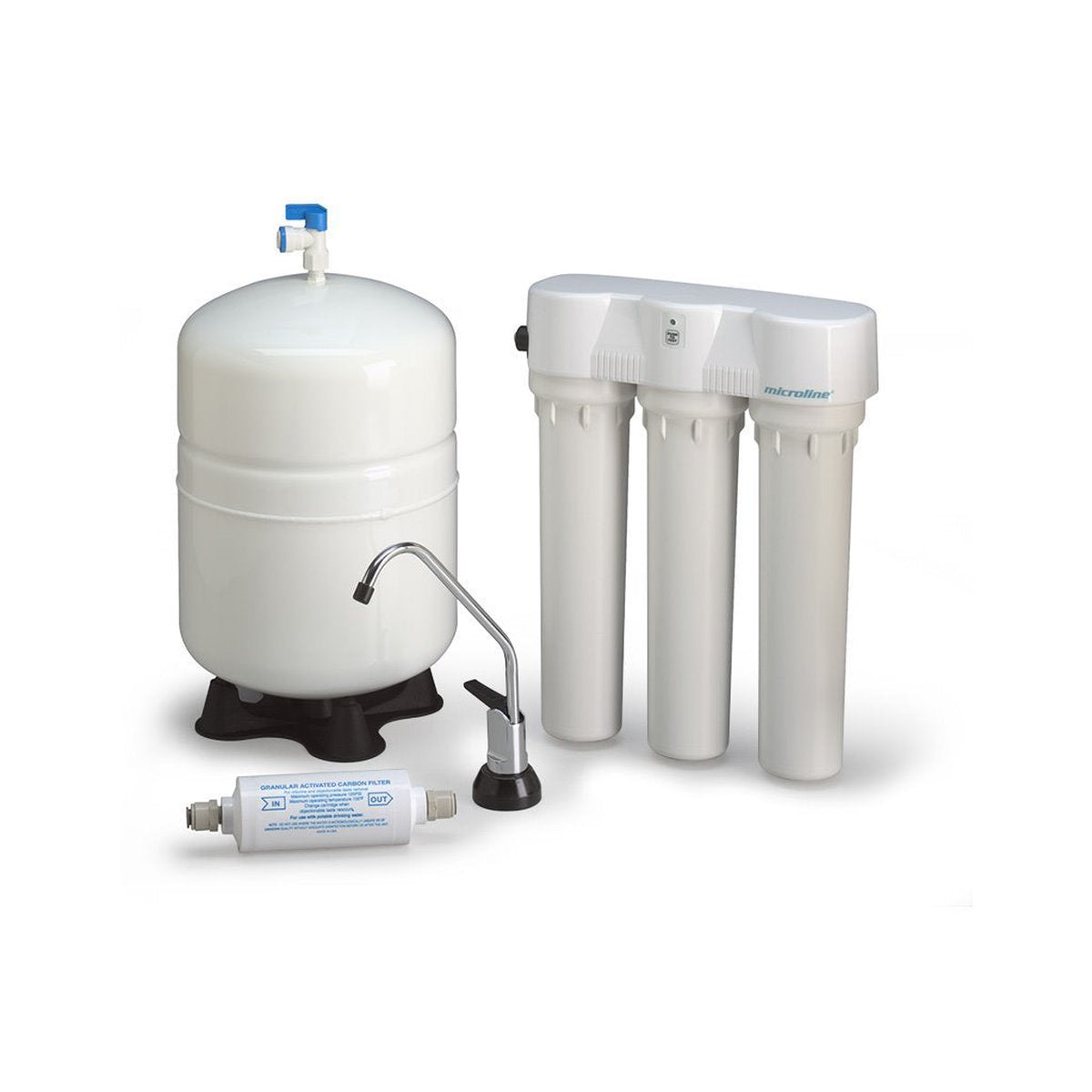
Microline Ro Sys 50 Gallons Per Day 08736
$390.42
Sistema Residencial Microline RO 50gpd con Tanque Flexcon para Agua Pura
✓ Free shipping in the USA · ✓ 90-day returns · ✓ Secure checkout

50 GPD Microline Residential RO System with Flexcon Tank — TFC-35A, Microline RO 50gpd w/TFC, Flexcon Tank, TFC35ANGNM
Buy NowMicroline RO System 50 Gallons Per Day Model 08736: A Practical Solution for Cottrellville, MI
Cottrellville, MI, is known for its serene landscapes and proximity to water bodies, yet local homeowners grapple with unique water quality challenges. Many households rely on groundwater, which can lead to varying levels of contaminants, hardness, and mineral content. The Microline RO System 50 Gallons Per Day Model 08736 serves as a functional answer for families looking to improve their drinking water quality.
Understanding Local Water Chemistry
In Cottrellville, the groundwater is primarily sourced from local aquifers, which can carry a mix of minerals and potential pollutants. Households often report issues with high hardness levels, stemming from calcium and magnesium deposits. High mineral content not only affects taste but can also lead to scale buildup in pipes and appliances over time.
Common contaminants that may be present include:
- Iron and manganese, which can cause discoloration and unpleasant odors.
- Nitrates, typically from agricultural runoff, which are harmful at elevated levels.
- Microbial contaminants, which may lead to health concerns if untreated.
Why Choose the Microline RO System 08736?
The Microline RO System is specifically designed to address the issues that homeowners face in Cottrellville. Its 50 gallons per day capacity means it can effectively supply clean water for drinking and cooking needs. This system utilizes a multi-stage filtration process, including sediment pre-filters, activated carbon filters, and a reverse osmosis membrane, to ensure that most contaminants are significantly reduced or removed altogether.
Determining Your Home's Needs
Before investing in a water treatment system, it's crucial to assess your household's water consumption. The Microline RO System can deliver 50 gallons per day, which generally meets the needs of an average family. Consider the following factors to determine how well this system suits your home:
- Family Size: Larger families may require more water, especially if multiple members often drink water or use it for cooking simultaneously.
- Usage Patterns: Assess your daily water use, particularly during peak times, to ensure that the system's output aligns with your needs.
Installation Considerations
Installing the Microline RO System 08736 is relatively straightforward, but some factors warrant consideration:
- Space Requirements: Ensure that you have enough under-sink space for the unit and that it can be adequately connected to your existing plumbing.
- Drainage Access: The system requires a drain line to discard brine and contaminants. Verify that your plumbing allows for this without requiring extensive modifications.
- Power Source: While the Microline system typically does not require a dedicated power source, verify that any additional components, such as booster pumps, can be easily accommodated.
Maintenance and Care
The longevity and effectiveness of your Microline RO System depend on regular maintenance. To ensure the system continues to perform optimally, keep the following maintenance tips in mind:
- Filter Changes: The pre-filters and post-filters should be replaced every 6 to 12 months, depending on usage and local water conditions.
- Membrane Replacement: The reverse osmosis membrane generally lasts 2 to 5 years, but this can vary based on the initial water quality and household consumption. Regularly check the output water quality for any changes.
- System Sanitization: Periodically sanitize the entire system to prevent microbial growth. This can typically be done during filter changes.
Benefits of Reverse Osmosis Systems
Investing in a reverse osmosis system like the Microline 08736 offers several advantages for Cottrellville residents seeking better drinking water:
- Improved Taste and Odor: The thorough filtration process eliminates many common tastes and odors associated with contaminants.
- Reduced Mineral Build-up: By effectively reducing hardness and other mineral content, you'll help extend the life of your plumbing and appliances.
- Convenience: Having purified water at home for drinking and cooking promotes a healthier lifestyle without the need for bottled water.
Final Thoughts
Choosing the right water treatment solution is essential for families in Cottrellville, MI. The Microline RO System 50 Gallons Per Day Model 08736 stands out as a reliable option for those looking to enhance their home's water quality. By understanding local water chemistry, assessing your household needs, considering installation requirements, and committing to maintenance, you can enjoy the peace of mind that comes with clean, safe drinking water.
Understanding Water Quality Parameters
To fully appreciate the benefits of a reverse osmosis system, it's crucial to understand various water quality parameters that can affect your drinking water. These parameters help gauge the overall safety, taste, and usability of water for domestic purposes. Here are key parameters to consider:
pH Levels
The pH level of water indicates its acidity or alkalinity. A neutral pH level is around 7. In general, drinking water should ideally fall within the range of 6.5 to 8.5. Water that is too acidic or too alkaline can result in taste issues, corrosion of pipes, and may even pose health risks. Reverse osmosis systems can effectively adjust pH levels through the removal of excess minerals.
Total Dissolved Solids (TDS)
Total dissolved solids refer to the combined content of all inorganic and organic substances contained in a liquid. High TDS levels can result in poor taste, cloudiness, and may affect your overall health. Most reverse osmosis systems significantly lower TDS levels, ensuring that you receive clean, palatable water.
Hardness
Water hardness is caused by high concentrations of calcium and magnesium. Hard water can lead to scale buildup in pipes, water heaters, and appliances, reducing their efficiency and lifespan. Reverse osmosis helps in reducing hardness, providing softer water that is easier on your plumbing and appliances.
Common Contaminants in Drinking Water
Understanding the potential contaminants in your drinking water can help you appreciate the effectiveness of reverse osmosis systems. Here are some common contaminants that reverse osmosis effectively reduces:
Chlorine and Chloramine
Municipal water often treats supply with chlorine or chloramine to kill pathogens. While effective, these chemicals can create undesirable tastes and odors. Reverse osmosis systems remove these contaminants, resulting in better-tasting water.
Heavy Metals
Heavy metals such as lead, arsenic, and mercury can enter water supplies through industrial runoff or deteriorating pipes. Prolonged exposure to these metals can pose serious health risks. Reverse osmosis has a high removal efficiency for heavy metals, ensuring safe drinking water.
Pesticides and Herbicides
Agricultural runoff can introduce pesticides and herbicides into local water sources. These chemicals can be harmful to human health. A reverse osmosis system can effectively diminish these contaminants, protecting your family's health.
The Environmental Impact of Bottled Water
While bottled water is often perceived as a cleaner alternative, it comes with its own set of environmental issues. Understanding these can reinforce the value of investing in a reverse osmosis system:
Plastic Waste
Most bottled water is sold in single-use plastic containers, contributing significantly to plastic waste. This plastic takes hundreds of years to decompose, leading to environmental pollution. By opting for a reverse osmosis system, families can reduce plastic consumption and contribute less to landfill waste.
Carbon Footprint
The production and transportation of bottled water involve considerable energy consumption, increasing carbon emissions. By minimizing reliance on bottled water, you can reduce your household's carbon footprint, making a positive impact on the environment.
Quality Control
While bottled water can be regulated, it is not necessarily safer than tap water. In many cases, bottled water is simply repurposed tap water that has undergone minimal filtration. A reverse osmosis system at home ensures that your drinking water meets high-quality standards without the environmental costs associated with bottled beverages.
Community Considerations and Resources
Residents of Cottrellville may have specific community resources and considerations when it comes to water quality. Staying informed about local water sources and available resources can help you make the best choices for your family:
Local Water Quality Reports
Municipalities often provide annual water quality reports that detail contaminant levels, pH, hardness, and TDS levels. Access to these reports can be vital in assessing the need for a reverse osmosis system. Familiarize yourself with your community's water quality reports to stay informed about potential concerns.
Community Water Testing Programs
Some communities offer water testing programs that enable residents to have their water tested for various contaminants. Participating in such programs can provide invaluable insight into your water quality, guiding decisions regarding filtration systems.
Environmental Awareness Initiatives
Engaging in local environmental initiatives can boost awareness around water conservation and quality. Cottrellville may host workshops, town hall meetings, or community events focused on environmental issues. These initiatives can support education on proper water management practices and the benefits of home filtration systems.
The Economic Benefits of Reverse Osmosis Systems
Investing in a reverse osmosis system can lead to several economic advantages for homeowners in Cottrellville:
Cost Savings Over Time
While the upfront cost of a reverse osmosis system may seem significant, it can offer considerable savings over time. By reducing the need for bottled water and minimizing plumbing repairs due to hard water damage, homeowners can recoup their initial investment quickly.
Increased Property Value
Homes equipped with efficient water treatment systems may attract potential buyers looking for modern amenities. A reverse osmosis system adds value and can differentiate your home in the market, proving to be a wise investment for the future.
Health Savings
Access to clean, safe drinking water can lead to healthier lifestyle choices, reducing the likelihood of health issues related to poor water quality. By preventing potential health risks, families may see lower medical expenses over time, adding to the economic benefit of investing in a reverse osmosis system.
Understanding Water Filtration Technologies
Activated Carbon Filtration
Activated carbon filtration is a widely-used method that helps remove chlorine, sediment, volatile organic compounds (VOCs), and other contaminants from water. The activated carbon absorbs impurities, which makes it effective in improving taste and odor. Unlike reverse osmosis, which removes minerals, activated carbon retains beneficial minerals while targeting harmful ones, thus enhancing water palatability.
UV Water Purification
Ultraviolet (UV) water purification systems employ ultraviolet light to eliminate bacteria, viruses, and other pathogens. UV purification is chemical-free and leaves no residual contaminants, making it a safe choice for households focused on holistic water treatment. However, it is important to note that UV systems do not remove chemical contaminants or sediments, so they are often used in conjunction with other filtration systems for comprehensive water treatment.
Water Softening Techniques
Water softeners are designed to reduce the hardness of water by removing calcium and magnesium ions, which are the primary culprits in scaling and buildup in plumbing systems. Softened water can enhance the lifespan of appliances such as water heaters and dishwashers, which can lead to lower maintenance costs. Homeowners considering a water softener should evaluate their specific water hardness levels and the potential benefits of softening.
DIY Water Quality Testing
At-Home Testing Kits
DIY water testing kits offer a convenient solution for homeowners looking to assess the quality of their drinking water. These kits typically include various test strips or vials that detect common contaminants such as lead, nitrates, and pH levels. After conducting tests, results can inform decisions on whether additional water treatment solutions are necessary.
Interpreting Water Test Results
Understanding the results from water testing kits is crucial for making informed decisions. Homeowners should familiarize themselves with acceptable contaminant levels set by the Environmental Protection Agency (EPA). If test results indicate levels above these standards, it may warrant further investigation or the adoption of a treatment system to ensure safe drinking water.
Common Household Contaminants
Lead and Its Sources
Lead is a common contaminant found in many homes, particularly those with older plumbing systems. It can leach into drinking water from lead pipes, fixtures, and solder. Lead exposure can pose serious health risks, especially to young children and pregnant women. Homeowners are encouraged to regularly test their water for lead and consider installing filters certified for lead removal if levels are of concern.
Chlorine and Disinfection Byproducts
Chlorine is often used as a disinfectant in municipal water treatment but can result in unpleasant tastes and odors. Moreover, when chlorine reacts with naturally occurring organic matter, it can form disinfection byproducts, some of which are known to have health implications. Water filtration systems that use activated carbon or reverse osmosis can effectively reduce chlorine and its byproducts, leading to cleaner, better-tasting water.
Community-Supported Filtration Solutions
Local Filtration Cooperatives
In an effort to enhance community access to clean water, some neighborhoods form filtration cooperatives. These cooperatives pool resources to purchase high-quality water filtration systems that benefit multiple households. By working together, residents can achieve higher purchasing power, leading to reduced costs and increased access to advanced water treatment technologies.
Advocacy for Clean Water Policies
Community members can play a pivotal role in advocating for local and regional policies aimed at improving water quality. By joining forces with local environmental organizations, residents can voice their concerns about water safety and urge policymakers to invest in infrastructure that supports cleaner, safer water sources for everyone.
Maintenance and Care for Filtration Systems
Regular Filter Replacement
Proper maintenance of water filtration systems is essential for optimal performance. This typically involves regular filter replacement as per the manufacturer’s guidelines. Neglecting to change filters can lead to a decrease in water quality and increased strain on the system, potentially causing technical failures in the long term.
System Cleaning and Sanitization
In addition to replacing filters, periodic cleaning and sanitization of water filtration systems are important. For instance, carbon filters can collect bacteria and sediments over time, making it necessary to clean them regularly to maintain efficacy. Homeowners should follow specific cleaning instructions provided by the system manufacturer to ensure longevity and reliability.
Resources for Homeowners
Local Water Quality Organizations
Cottrellville residents can benefit from connecting with local water quality organizations. These groups often provide resources, educational materials, workshops, and assistance regarding water quality issues. They can help individuals stay informed, evaluate their water treatments, and engage with community-led water safety efforts.
Online Tools and Resources
There are various online platforms and tools available for homeowners seeking to further educate themselves about water quality. Websites dedicated to public health, environmental protection, and water safety provide a wealth of information on contaminants, testing methods, and filtration technology, enabling residents to make informed decisions about their water treatment options.

Related