
Choosing Water Treatment for Well Rust and Hardness in McHenry County
$109.52
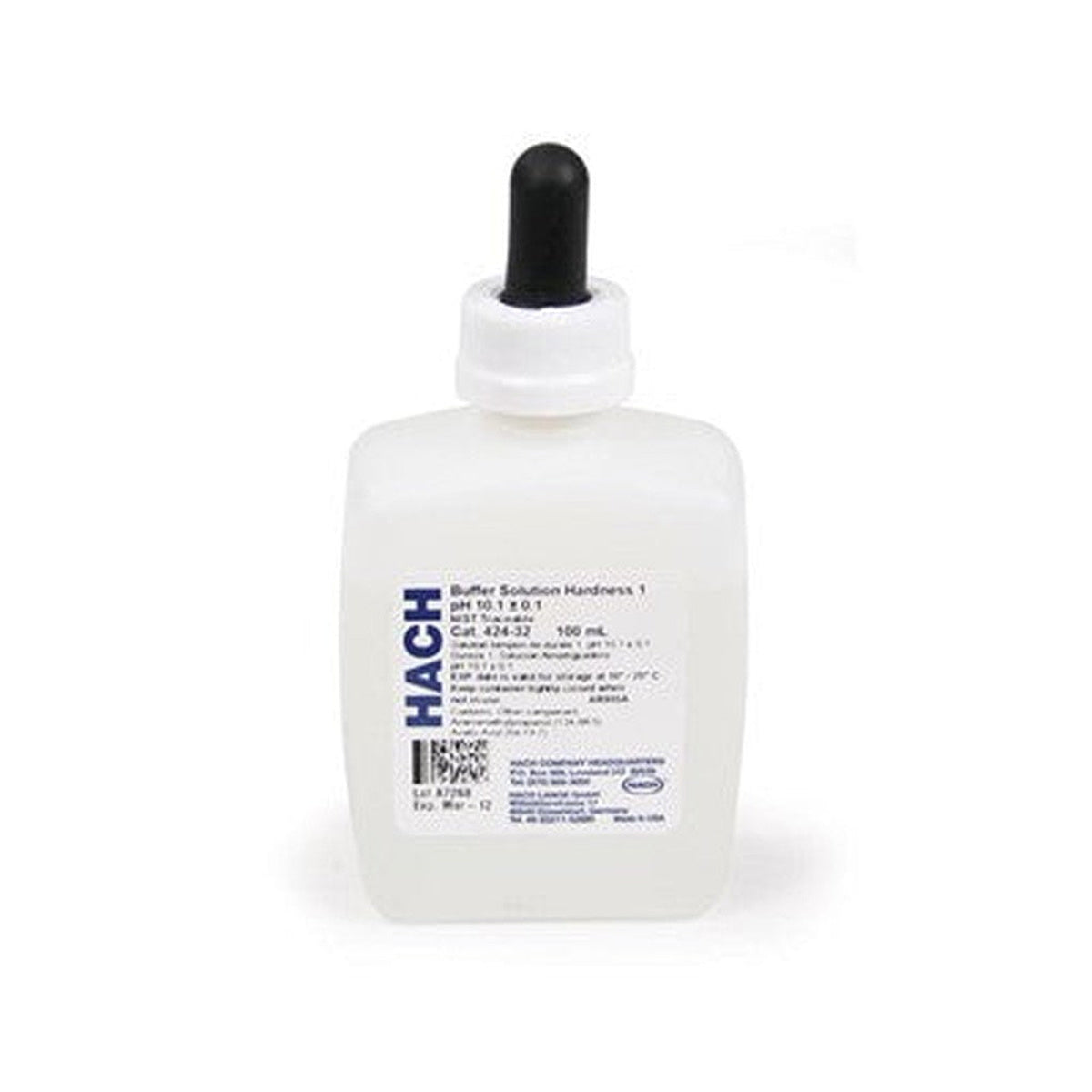
Reactivo Hach Hardness 1 para Análisis de Dureza del Agua
✓ Free shipping in the USA · ✓ 90-day returns · ✓ Secure checkout

Choosing the right water treatment system for well rust and hardness is a key decision for any household in McHenry County, IL. The available data from local groundwater sampling offers insight but requires careful interpretation before deciding which class of treatment is appropriate.
How can McHenry County's hardness data be compared with neighboring counties without overreading it?
Government sampling by the U.S. Geological Survey analyzed 147 hardness results from 55 wells in McHenry County's aquifer 110QRNR between 2010 and 2021. The median hardness measured was 423.0 mg/L, with a range from 161.0 up to 851.0 mg/L. While this establishes a broad picture of water quality in the area, it is important not to assume that neighboring counties have the same hardness or rust tendencies. Differences in geology, well depth, and aquifer characteristics can cause significant variations. Thus, while nearby counties may show similar patterns, their data cannot substitute for local measurements, and individual household well testing is necessary for precise assessment.
What do the measured hardness range and federal standards tell us, and what do they not tell?
The hardness values detected in McHenry County's sampling are well below any federal safety thresholds. Notably, none of the individual results were above those limits. However, the presence of hardness at these levels is primarily an aesthetic and operational concern rather than a health issue. Hardness contributes to scale buildup, reduces appliance efficiency, and can cause rust-like staining when combined with oxidized metals. The range indicates that water hardness may vary significantly among different wells in the area, so relying solely on grouping data is not an adequate substitute for testing your own water.
Which household fixtures, appliances, or processes typically show impacts from hardness and rust first, and why?
Hard water commonly affects appliances that heat water, such as water heaters and dishwashers, by causing mineral scale buildup that reduces energy efficiency and lifespan. Plumbing fixtures like faucets and showerheads may develop deposits that reduce flow or cause discoloration resembling rust stains. Laundry water may exhibit dingy or stiff fabric feel over time due to mineral deposits. These effects tend to appear sooner in areas with higher hardness levels or where rust from iron piping is present. Addressing these issues early can prevent costly repair or replacement.
What do terms like 'detected,' 'median,' and 'range' signify in this sampling record?
'Detected' means the testing instruments measured hardness in every sample collected; it does not indicate a violation or problem. The 'median' value of 423.0 mg/L represents the middle hardness level among all samples, showing what is typical for the area. The 'range' from 161.0 to 851.0 mg/L shows how much variation exists between different wells. Understanding these terms helps distinguish between general area conditions and the specific characteristics of your household’s water, which must be confirmed by targeted testing.
Why do aesthetic secondary standards differ from health-based limits in the context of hardness?
Hardness is regulated by secondary standards focused on water quality attributes such as taste, staining, and effects on plumbing rather than health risks. A federal secondary standard provides guidance on levels above which water may become visibly or operationally problematic, but exceeding it is not a health violation. This means hardness and associated rust-like deposits are primarily quality and maintenance concerns, not safety issues. Recognizing this distinction clarifies the purpose of treatment and helps households set realistic expectations.
How often does the C-Series Well Rust + Hardness System require maintenance?
The C-Series Well Rust + Hardness System, designed to handle conditions typical of McHenry County’s aquifer, features a grain capacity of 32,000, which corresponds to its softening effectiveness before media replacement or regeneration is needed. Regular upkeep involves monitoring system performance and scheduling media refresh consistent with water usage and hardness levels. This straightforward rhythm ensures continuous treatment and protects household plumbing and appliances without complex procedures.
In conclusion, while McHenry County’s water hardness sampling provides valuable regional context, it should not be taken as an exact indicator of your home's water conditions. Testing your specific well water is essential before selecting a treatment system. The C-Series Well Rust + Hardness System offers a proven option to address these concerns once your water's needs are fully understood.
Where this information comes from
Source: USGS groundwater sampling. Sampled 2021-05-27. These figures describe groundwater sampled in this area. They are not a test of any individual private well - only a test of that well can establish its own water.
On record: U.S. Geological Survey sampling of Hardness, Ca, Mg in the 110QRNR aquifer (McHenry County): 147 results from 55 wells, median 423.0 mg/L, range 161.0-851.0 mg/L; none above any federal threshold