
Autotrol 460i Timer 45368
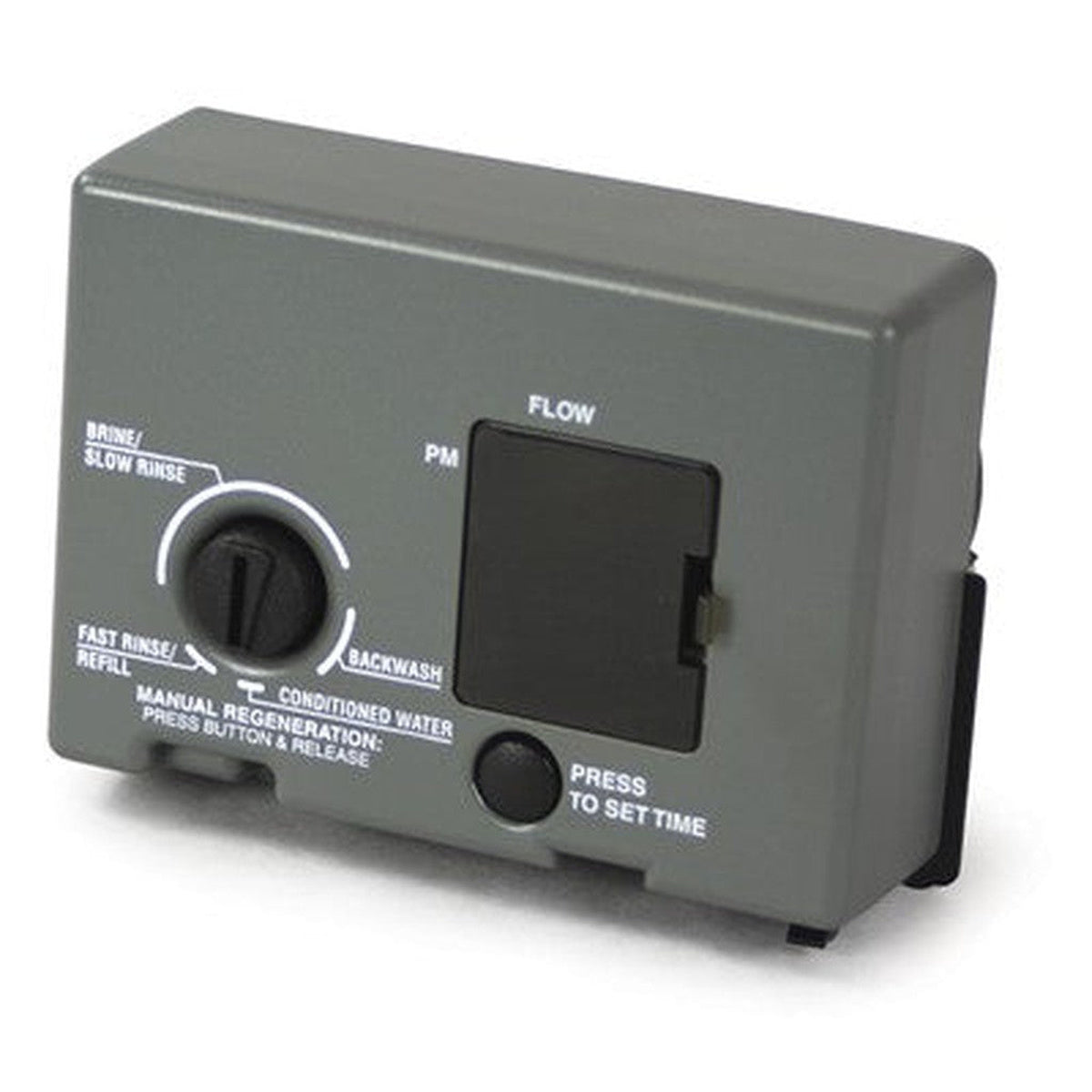
$586.00
Water Softener Plus Autotrol 460i Timer Control Valve Head
✓ Free shipping in the USA · ✓ 90-day returns · ✓ Secure checkout

Understanding the Autotrol 460i Timer for Your Home
In the heart of the Midwest, homeowners are increasingly aware of the hidden intricacies of their water supply. When dealing with the specific nuances of local water sources, the Autotrol 460i Timer emerges as a crucial component for achieving optimal water treatment. This device regulates water softeners and makes them a streamlined, effective solution for combating the tough minerals plaguing many households.
Localized Water Chemistry Challenges
The water in this region often features high levels of hardness due to calcium and magnesium deposits. Many residents notice the telltale signs: mineral buildup on faucets, soap scum in the shower, and a general decline in the effectiveness of household cleaning products. As a homeowner, diving into the specifics of your water chemistry allows you to make informed choices about treatment solutions.
The Autotrol 460i Timer is particularly suited for households with moderate to high hardness levels. With its advanced programming options, homeowners can customize cycles according to their water usage patterns, ensuring an efficient and effective softening process without unnecessary waste.
Optimal Equipment Sizing
Choosing the right size of water softener and timer configuration is imperative for maximizing performance and efficiency. An undersized softener may struggle to meet daily demands, while an oversized unit could lead to inefficient regeneration cycles.
To achieve the best performance from your Autotrol 460i Timer, consider the following:
- Household Size: Larger families will require a higher capacity softener that can manage increased water usage.
- Water Hardness Level: Understanding the hardness level of your water will dictate the capacity you need, allowing you to set appropriate regeneration schedules.
- Usage Patterns: The timing of water usage throughout the day can influence the settings on your timer, ensuring you get the most out of your system while minimizing regeneration during peak demand.
Understanding Timer Programming
The user-friendly interface of the Autotrol 460i Timer simplifies the programming process. It allows users to set regeneration times that align with their water consumption habits. For instance, programming the timer for early morning or late evening will help ensure that the softener is working during off-peak hours, optimizing efficiency and preserving water quality throughout the day.
With multiple settings available on the timer, homeowners can select specific days for regeneration cycles, balancing softening needs with water conservation. This flexibility is especially beneficial in regions where water usage may fluctuate seasonally or based on changing household needs.
Maintenance Considerations
The longevity and effectiveness of the Autotrol 460i Timer will depend significantly on regular maintenance. Understanding the upkeep required can help avoid any surprises in treatment performance.
Here are some maintenance tips to keep in mind:
- Regular Resin Replacement: Over time, the resin in your water softener will lose its effectiveness. Regularly scheduled resin replacement is crucial, typically every 5 to 10 years, depending on usage.
- Salt Maintenance: Keeping an eye on salt levels and replenishing as needed is vital for optimal softening. This can prevent a situation where your system is rendered ineffective due to depleted salt reserves.
- System Checks: Periodically inspect your system for any signs of leaks, clogs, or build-up that could impact performance, ensuring timely repairs and interventions.
Installation Considerations
When planning the installation of your Autotrol 460i Timer, several factors should be taken into account to ensure optimal placement and functionality. Correct installation can prevent operational issues and prolong the lifespan of your water treatment system.
Key installation factors include:
- Location: The timer and softener should be installed in a location that is easily accessible for maintenance but also protected from extreme temperatures that can affect performance.
- Drainage Access: Since regeneration involves the expulsion of water, proper drainage needs to be established to avoid water damage or flooding in your basement or utility area.
- Water Supply Connections: Ensure that connections to the home's main water line are secure. Professional installation is recommended in complex plumbing scenarios and can guarantee adherence to local codes.
Concluding Thoughts
For homeowners navigating the complexities of water treatment, the Autotrol 460i Timer stands out as an integral part of a successful water softening system. By understanding your local water conditions and integrating this efficient timer, you’re not just investing in a piece of equipment; you’re ensuring superior water quality for your household.
With proper sizing, strategic programming, and diligent maintenance, your experience with the Autotrol 460i Timer can transform the challenges posed by hard water into a seamless part of your daily routine. When equipped with knowledge and the right tools, you’ll find that you can enjoy the advantages of softened water and a more efficient home.
Advanced Programming Techniques
Maximizing the efficiency of your Autotrol 460i Timer goes beyond basic setup; it involves understanding advanced programming techniques. These capabilities allow users to tailor the system to their specific needs, optimizing water usage and improving overall performance.
Custom Regeneration Settings
The Autotrol 460i offers customizable regeneration settings to suit various household water usage patterns. By adjusting the frequency of regeneration cycles based on consumption data, users can achieve a balance between sufficient softening and economical salt usage.
- Time-based Regeneration: Set specific times for regeneration to avoid water softness disruption during peak use hours.
- Meter-based Regeneration: Utilize the meter-based option to trigger regeneration based on actual water usage, ensuring that the system regenerates only when necessary.
Multiple Program Modes
This timer offers different program modes, which allow users to accommodate varying water demands. Understanding how to switch between modes can enhance efficiency.
- Default Mode: Suitable for average daily water usage.
- Vacation Mode: Temporarily disables the system during extended absences, reducing salt waste and conserving resources.
Common Troubleshooting Tips
While the Autotrol 460i Timer is designed for reliability, users may occasionally encounter issues that require troubleshooting. Familiarizing yourself with common problems and their solutions can save time and stress.
Timer Display Issues
If the timer display is malfunctioning or blank, check the power supply and connections. Ensure that the unit is plugged in properly and that there are no blown fuses.
Inconsistent Water Softness
Inconsistent results can often be attributed to settings or maintenance factors. Check the brine tank for salt levels and ensure that the regeneration cycle is scheduled correctly. Additionally, inspect for any blockages in the resin bed.
Unusual Noises During Operation
Noises during operation could indicate potential issues within the system. Listen for any hissing or grinding sounds that may suggest mechanical failure. If noises persist, consider contacting a professional technician.
Optimizing Salt Use
Effective salt management is crucial for maintaining the longevity and efficiency of your water softening system. The Autotrol 460i Timer facilitates these efforts through its advanced features.
Choosing the Right Salt
There are several types of salt available for use in water softeners, including rock salt, solar salt, and evaporated salt. Each type has its own solubility rate and purity level. Understanding the differences can help users select the best option for their specific system.
- Rock Salt: Generally the least expensive but may contain impurities that can clog the system.
- Solar Salt: Evaporated from seawater, this type is purer than rock salt and dissolves well.
- Evaporated Salt: The purest form, ideal for minimizing residue and maximizing efficiency.
Understanding Water Hardness Levels
Monitoring the hardness level of your water is critical for effective water treatment. Testing can be performed using home kits or through local water quality reports.
Testing Methods
Two primary methods exist for testing water hardness:
- Test Strips: A quick and easy method that provides immediate results, allowing you to gauge your water hardness in just a few seconds.
- Drop Count Test: A more accurate method involving titration, where reagents are added to a water sample until a color change occurs, indicating the hardness level.
Adjusting Settings Based on Hardness
Once hardness levels are known, the Autotrol 460i settings can be adjusted accordingly. Harder water may require more frequent regeneration cycles, thus optimizing salt use and ensuring optimal system performance.
Long-Term Benefits of Softened Water
Investing in a quality water softening solution, such as the Autotrol 460i Timer, brings a multitude of long-term benefits that extend beyond immediate convenience.
Improved Appliance Lifespan
Softened water reduces mineral build-up, which can extend the life of household appliances such as dishwashers, washing machines, and water heaters.
Enhanced Skin and Hair Health
For many, switching to softened water leads to noticeable improvements in skin and hair health, as it helps to eliminate harsh mineral residues. Users often report softer skin and shinier hair, enhancing their overall comfort and well-being.
Eco-Friendly Benefits
By minimizing the need for harsh soaps and detergents, softened water promotes a more eco-friendly household. Less waste from cleaning products means a reduced environmental impact.
Preventative Maintenance for Water Softening Systems
Regular maintenance of your water softening system is essential for ensuring its longevity and optimal performance. By following a few simple preventive measures, you can significantly reduce the likelihood of system malfunctions and enhance efficiency.
Routine Inspections
Conducting routine inspections of your water softener can help identify any potential issues before they escalate. Key areas to check include:
- Brine tank: Ensure it remains clean and free from salt bridges.
- Resin bed: Monitor for signs of wear or fouling that could affect performance.
- Valves and connections: Check for leaks or corrosion, which can lead to water loss.
Cleaning the System
Regular cleaning is vital for maintaining efficiency. It is recommended to:
- Flush the resin bed periodically to remove accumulated particles.
- Clean the brine tank to prevent bacterial growth and sediment accumulation.
Using a specialized cleaning solution can enhance the effectiveness of this process, ensuring long-lasting results.
Monitoring Salt Levels
Keeping track of salt levels within the brine tank is another essential aspect of maintenance. Running the system on low salt levels can hinder its performance. It is advisable to check salt levels monthly and replenish as necessary to maintain efficiency.
Common Issues and Troubleshooting
Despite their reliability, water softening systems may encounter occasional issues. Familiarizing yourself with common problems and their solutions can facilitate quick resolutions.
Clogged Resin Bed
If your water softener is not producing soft water, a clogged resin bed could be the culprit. Backwashing the system can help dislodge trapped debris and restore function.
Salt Bridges and Mushing
Salt bridges occur when the salt forms a hard crust above the brine solution, preventing proper dissolution. Breaking up the bridge by stirring the salt can resolve this issue. Mushing, on the other hand, involves salt that becomes slushy and may require complete removal and replacement of the salt.
Choosing the Right System for Your Needs
Selecting the appropriate water softening system is crucial for addressing your unique water quality concerns. Consider the following factors in your decision-making process:
- Household Size: Larger families typically require systems with higher capacities.
- Water Usage: Evaluate your daily water consumption to identify the best size and efficiency rating.
- Local Water Composition: Understanding the specific hardness levels and other minerals present in your water supply can guide your choice.