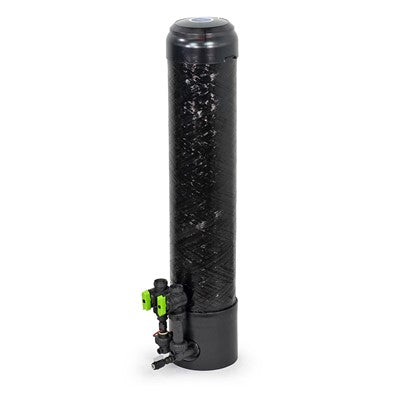
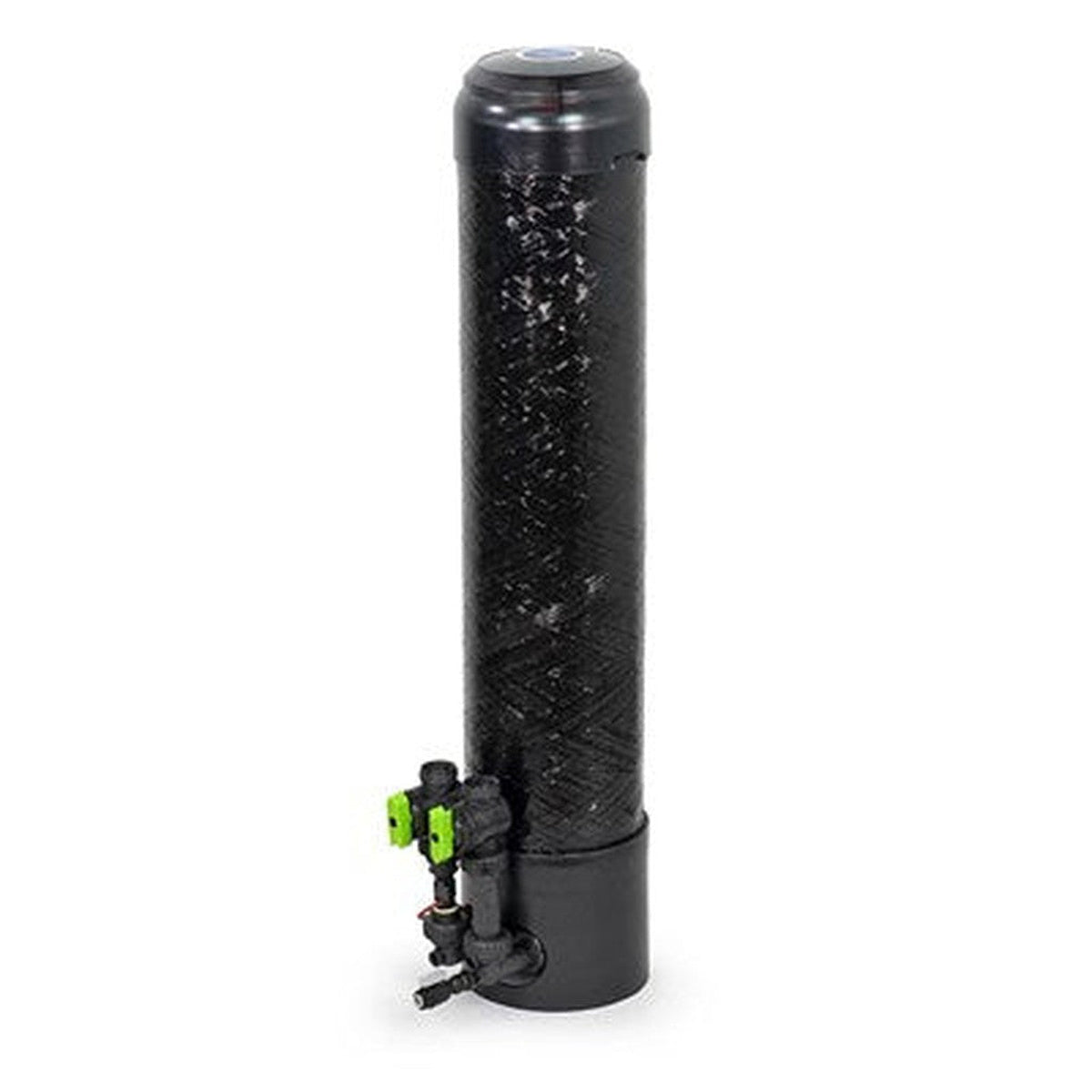
Iron Sulphur Space Saver Pro 07920
$1,976.00 $2,389.00
Water Softener Plus Iron Sulphur Water Filter
✓ Free shipping in the USA · ✓ 90-day returns · ✓ Secure checkout

Understanding the Iron Sulphur Space Saver Pro 07920
If you reside in a community like Foster, IL, you’ve likely experienced the unpleasant effects of iron and sulfur in your water supply. Often manifested as staining on laundry and plumbing fixtures or an off-putting odor, these issues can create real headaches for homeowners. The Iron Sulphur Space Saver Pro 07920 is engineered to tackle these specific challenges effectively, bringing cleaner, better-quality water to your home.
What Is the Iron Sulphur Space Saver Pro 07920?
The Iron Sulphur Space Saver Pro 07920 is a specialized water treatment system designed to remove high levels of iron and sulfur from well water and municipal sources. By utilizing advanced filtration technology, this unit reduces the concentration of these minerals, addressing both aesthetic and odor issues. A compact solution, it is particularly well-suited for homes that may have limited installation space.
Local Groundwater Issues and Considerations
Water quality in Foster, IL can vary significantly, but many households report concerns about high levels of iron and sulfur. Iron tends to give water a metallic taste and can lead to unsightly stains on everything from laundry to sinks. Sulfur, on the other hand, is notorious for its distinct "rotten egg" smell. Addressing these conditions is vital not only for the look and feel of your water but also for the longevity of your plumbing and appliances.
Key Features of the Iron Sulphur Space Saver Pro 07920
- Compact Design: At just the right size, this unit fits easily into small spaces, making it perfect for basements or utility rooms.
- Effective Filtration: Designed to remove iron and sulfur efficiently, ensuring that your water is not only clean but also pleasant to use.
- Easy Maintenance: With user-friendly features, maintenance is straightforward, ensuring consistent performance over the long term.
- Automated Regeneration: The system comes with an automatic regeneration cycle that cleans the filters at set intervals, minimizing your hands-on time.
Equipment Sizing and Considerations
When selecting a water treatment system, proper sizing is crucial. The Iron Sulphur Space Saver Pro 07920 is designed for homes with moderate iron and sulfur concentrations, accommodating households with typical daily water use. For best results, it's recommended to assess your water's specific iron and sulfur levels before installation. This way, you can ensure that the unit is capable of handling your needs effectively.
Installation Tips
Installing the Iron Sulphur Space Saver Pro 07920 typically requires a few considerations:
- Location: Place the system close to where the water enters your home, ideally before any other treatments, to ensure optimal filtration.
- Drain Access: Ensure there's proper drainage for the backwash process that occurs during regeneration to avoid water pooling.
- Power Source: Since the system has automated features, confirm that there is an accessible power outlet near the installation site.
Maintenance Intervals
The Iron Sulphur Space Saver Pro 07920 requires regular maintenance to function at its best. Typically, you should check the system every three to six months:
- Salt Levels: If you have a system that uses salt for regeneration, monitor and refill salt levels regularly.
- Filter Replacement: While the filters can last up to several years, periodic inspection for clogs or wear is advised.
- System Check: Conduct a visual inspection of the unit and any piping for leaks or damage to ensure longevity.
Conclusion: Why Choose the Iron Sulphur Space Saver Pro 07920?
Choosing the Iron Sulphur Space Saver Pro 07920 means committing to cleaner and more enjoyable water in your home. By effectively reducing the iron and sulfur concentrations, this system not only enhances water quality but also prolongs the life of your plumbing fixtures and appliances. Ensuring a consistent supply of clear, odor-free water is crucial, especially for homes dealing with common contaminants found in local ground sources. Take the proactive step to optimize your water quality with this reliable, space-saving solution.
Understanding Iron and Sulfur Contaminants
The presence of iron and sulfur in water can lead to multiple issues, affecting not only the quality of the water but also the overall health of plumbing systems and appliances. It's essential to delve deeper into the characteristics of these contaminants to understand why effective filtration systems are necessary.
Iron in Water
Iron is one of the most common minerals found in groundwater. While it is not typically harmful to health, its presence can lead to aesthetic issues. Iron can give water a metallic taste, cause rust stains on fixtures and laundry, and create discoloration in water. There are two main forms of iron found in water:
- Ferric Iron: Also known as oxidized iron, this form is usually visible as a reddish-brown sediment.
- Ferrous Iron: Often referred to as dissolved iron, ferrous iron results in a clear solution until it oxidizes, creating staining when it comes into contact with air.
Sulfur in Water
Sulfur, especially in the form of hydrogen sulfide gas, imparts a distinct and unpleasant odor akin to rotten eggs. Even at low concentrations, this compound can be very noticeable and can lead to discomfort when bathing or cleaning. Aside from affecting the smell and taste of water, sulfur can also cause corrosion in pipes and appliances.
Signs You Need Filtration
Knowing the signs that indicate the necessity for a filtration system can help you take action before issues escalate. Here are some telltale signs your water might be contaminated with iron and sulfur:
- Unpleasant Odor: A strong, rotten egg smell when running water usually suggests the presence of hydrogen sulfide.
- Staining: Brown or reddish stains on sinks, toilets, and clothing can signal high iron content in your water supply.
- Bad Taste: A metallic taste in your drinking water is a common indicator of iron contamination.
- Low Water Pressure: Iron sediment can accumulate in pipes, potentially leading to reduced water flow.
Types of Iron and Sulfur Filters
Understanding different types of filters can help you choose the most suitable option for your needs. The market offers various filtration systems, and each serves distinct purposes:
Oxidizing Filters
These filters are effective in removing dissolved iron and hydrogen sulfide. They work by introducing oxygen into the water, converting dissolved iron to ferric iron, which can be filtered out.
Activated Carbon Filters
While primarily designed to remove organic compounds and chlorine, activated carbon filters can also improve the taste and odor of water, helping to mitigate the effects of sulfur.
Water Softeners
While not primarily intended for iron and sulfur removal, water softeners can help with dissolved iron levels. However, they are more effective for hard water issues and should be combined with other filtering methods for comprehensive treatment.
Environmental and Health Impacts
The presence of iron and sulfur in water can have both environmental and personal health implications. Below we explore how these contaminants affect ecosystems and human health.
Environmental Effects
Inadequate filtration methods can lead to significant environmental damage. High levels of iron and sulfur can contribute to:
- Soil Degradation: Excessive iron can alter the chemical makeup of soil, affecting flora and fauna.
- Water Quality Deterioration: Contaminated waters can harm aquatic life, leading to imbalances in local ecosystems.
Health Implications
While iron and sulfur in moderate quantities are generally not harmful, excessive levels can lead to health concerns:
- Iron Overload: High levels of iron consumption can lead to conditions like hemochromatosis, which affects the liver and other organs.
- Sulfur Sensitivities: Some individuals may experience gastrointestinal discomfort or other reactions from consuming or bathing in sulfur-rich water.
Advanced Features of Filtration Systems
Modern filtration systems come equipped with a variety of features aimed at improving performance and user satisfaction. Here are some advanced features you might find beneficial:
Smart Monitoring Systems
Some filtration units include smart technology that allows homeowners to track water quality and system performance through mobile apps. This feature can notify users of maintenance needs, filter changes, and even scheduling for routine inspections.
Automated Regeneration Cycles
With automated systems, you can enjoy efficient water treatment without manual intervention. These systems typically monitor usage patterns to optimize regeneration cycles, ensuring that the unit operates only as needed, which helps conserve resources.
Cost Considerations
When deciding to invest in an iron and sulfur filtration system, understanding the costs involved is crucial. Here's a breakdown of what to consider:
Initial Investment
The upfront cost of purchasing and installing a filtration system can vary widely depending on the type and technology. Systems with advanced features like smart monitoring and automated regeneration may have higher initial costs but can save money over time through efficient operation.
Operating Costs
Routine maintenance and supply replenishment (such as salt for softening systems) contribute to operational costs. Evaluating your water usage can help you estimate long-term expenses associated with running a water filtration system.
Case Studies: Successful Filtration Implementations
Real-world examples of successful filtration system installations can provide insight and help homeowners understand the effectiveness of these systems. Below are two illustrative case studies:
Residential Solution in a Rural Area
A family living in a rural area with high levels of sulfur and iron installed an Iron Sulphur Space Saver Pro 07920. After installation, they reported a dramatic improvement in water quality, with no more unpleasant odors and clear water. Regular maintenance checks every six months ensured continued success.
Commercial Implementation in a Restaurant
A local restaurant, which faced issues with iron staining dishes and cookware, implemented a robust filtration system. By opting for a combination of oxidizing filters and water softeners, they not only improved the taste of their water but also reduced the need for costly repairs to their kitchen equipment, ultimately increasing their profit margins.
Conclusion
Ultimately, understanding the implications of iron and sulfur in your water supply is essential in making informed decisions. The Iron Sulphur Space Saver Pro 07920, alongside manual inspections and ongoing maintenance, can help ensure your home receives the cleanest, safest water possible. Investing in a reliable filtration system today can lead to significant long-term benefits for both your health and the longevity of your plumbing and appliances.
Additional Considerations for Water Filtration Systems
Types of Water Filtration Technologies
Choosing the right type of water filtration technology is critical for ensuring optimal performance and suitability for your specific needs. Below are some commonly used water filtration technologies:
- Activated Carbon Filters: These filters effectively remove chlorine, volatile organic compounds (VOCs), and other impurities that affect the taste and odor of water.
- Reverse Osmosis Systems: Ideal for rigorous purification needs, these systems force water through a semi-permeable membrane that traps contaminants, including dissolved salts and heavy metals.
- Ultraviolet (UV) Light Filtration: Using UV light to eliminate bacteria and viruses, this method is highly effective for disinfection without the use of chemicals.
- Water Softeners: While not a filtration system per se, water softeners prevent scale buildup and improve soap efficiency by removing hardness minerals such as calcium and magnesium.
Impact of Local Water Quality on Filtration Needs
The quality of municipal and well water can vary significantly based on geographical location. Understanding the specific contaminants in your water supply is essential for selecting the right filter system.
- Testing Water Quality: Periodic testing can reveal the presence of heavy metals, bacteria, or sediment. A water testing kit can provide a comprehensive analysis of contaminants.
- Local Regulations and Standards: Being aware of local water safety standards can influence your choice of filtration technology. Ensure any system you select meets or exceeds these standards.
- Seasonal Changes: Water quality can fluctuate with seasons; for example, heavy rainfall can lead to increased runoff contaminants. Adjusting your filtration approach seasonally may be beneficial.
Environmental Considerations
When selecting a water filtration system, consider its environmental impact. Many systems can reduce plastic waste associated with bottled water, and certain technologies are more sustainable than others.
- Eco-Friendly Systems: Look for systems that use minimal chemicals and have a lower carbon footprint in their production and operation.
- Waste Reduction: Systems such as reverse osmosis produce wastewater; understanding this aspect can help you select a system that minimizes waste or catches excess water for reuse.
- Recyclability: Assess whether components of the filtration system, such as filters and cartridges, can be recycled. This contributes to a more sustainable waste management approach.
Homeowner Tips for Choosing a Filtration System
Purchasing a water filtration system can be a daunting decision. Here are some homeowner tips for selecting the right system:
- Set a Budget: Determine how much you are willing to spend upfront and on ongoing maintenance to ensure you select a system that fits your financial situation.
- Read Reviews: Consult online reviews and forums where current users discuss the performance and reliability of various filtration systems.
- Professional Consultation: Seeking advice from water quality experts or local plumbers can provide valuable insights into the best options tailored to your water quality needs.
Maintenance Strategies for Longevity
Regular maintenance is crucial to the performance of your water filtration system. Here are strategies to ensure longevity:
- Follow Manufacturer Recommendations: Adhere to the prescribed maintenance schedule for changing filters or technologies to prevent clogging and inefficiency.
- Monitor Water Quality: Continuously test the output water to ensure the system operates effectively and meets your purification needs.
- Keep an Eye on Flow Rate: If you notice a decrease in water flow, this could indicate that it’s time for maintenance or replacement of components.
Future Trends in Water Filtration Technology
The field of water filtration is continually evolving. Here are some trends that may shape future systems:
- Smart Filtration Systems: Integration of IoT technology allows homeowners to monitor their water quality remotely and receive alerts for maintenance needs.
- Advanced Nanotechnology: Future filtration systems may use nanomaterials to remove contaminants more effectively while utilizing less energy and resources.
- Increased Customization: Emerging companies are focusing on customizable filtration solutions that can be tailored to specific water profiles and needs for greater efficiency.