
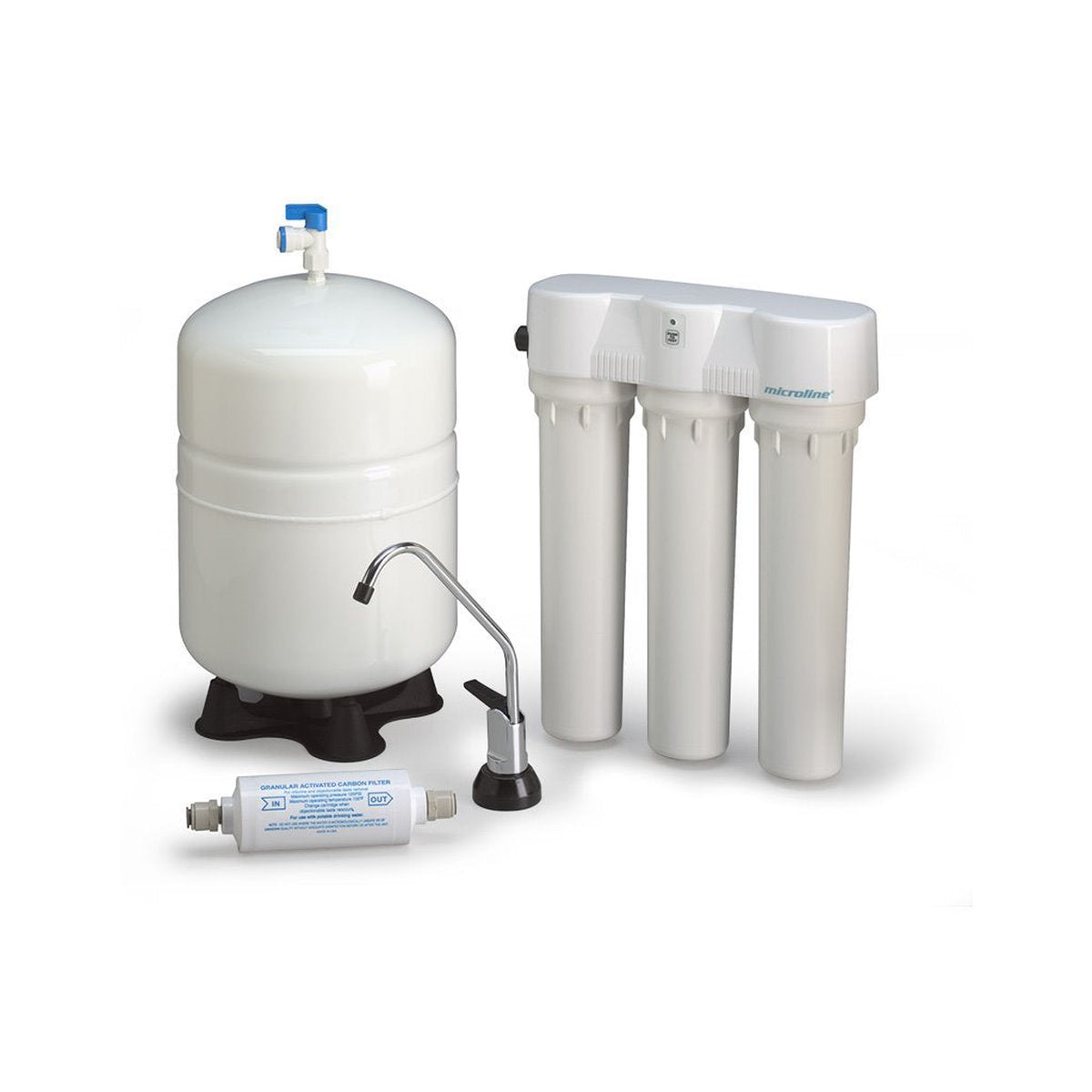
Microline Ro Sys 50 Gallons Per Day 03872
$390.42
✓ Free shipping in the USA · ✓ 90-day returns · ✓ Secure checkout

50 GPD Microline Residential RO System with Flexcon Tank — TFC-35A, Microline RO 50gpd w/TFC, Flexcon Tank, TFC35ANGNM
Buy NowMicroline RO System 50 Gallons Per Day: Tailored Water Solutions for Your Home
In many areas, including regions served by well or municipal water systems, the importance of effective water treatment is often overlooked until issues arise. Whether your water supply is marked by noticeable taste, odor, or cloudiness, these are clear indicators that a reverse osmosis (RO) system could significantly enhance your drinking water quality.
Understanding Local Water Challenges
For homeowners considering the Microline RO System 50 Gallons Per Day (model 03872), it's vital to recognize the specific characteristics of your local water supply. In areas where the municipal water supply sources vary or where groundwater is the primary resource, challenges such as hardness, sediment, and contaminants can impact water quality. Common issues here may include:
- High Total Dissolved Solids (TDS): Elevated levels of TDS can lead to unpleasant tastes and the presence of undesirable minerals.
- Chlorine and Chloramine: These disinfectants are often used in municipal systems, but can leave a chemical taste in the water.
- Hardness: High mineral content, particularly calcium and magnesium, can lead to scale and buildup in pipes and appliances.
- Heavy Metals: Depending on your plumbing and municipal water sources, trace heavy metals such as lead and copper can pose health risks.
Given these potential issues, residents can benefit greatly from the advanced filtration capabilities of an RO system, which can effectively reduce or eliminate many of these contaminants.
Capacity and Size Considerations
The Microline RO System's capacity of 50 gallons per day is designed to meet the needs of a typical household, providing an adequate supply for drinking, cooking, and even some light household tasks. When considering which system to install, it's essential to assess your water usage:
- Average Household Consumption: Most families require about 15-20 gallons of filtered water per week for drinking and cooking.
- Peak Usage Times: Consider identifying times when more water may be consumed, such as during family events or gatherings.
- Number of Family Members: The more individuals in a household, the higher the demand for filtered water.
This model is robust enough to handle the typical use in a family setting, ensuring that you always have access to clean, refreshing water without the hassle of constant refills.
Installation Considerations
Before installation, it's essential to evaluate your existing plumbing setup. The Microline system connects to your current water supply and drains, making it crucial to ensure accessibility for both. Here are a few factors to consider:
- Location: Choose a location near your sink for convenience. Under-sink installations are common, but ensure there is adequate space for the unit and its components.
- Water Pressure: The system performs best with adequate incoming water pressure. If your home has low pressure, you might need a booster pump.
- Drain Accessibility: Proper drainage is critical. Ensure the system can drain into an existing sink drain or an appropriate location.
Consulting a professional installer can streamline this process, ensuring that all connections are secure and meet your local plumbing codes.
Maintenance and Longevity
To ensure the Microline RO System operates efficiently over time, regular maintenance is a must. The following is a guide to keeping your system in optimal condition:
- Filter Replacement: Depending on your water quality and usage, pre-filters and post-filters generally need replacement every 6 to 12 months, while the RO membrane can last 2 to 3 years.
- System Sanitization: Periodically sanitize your system as recommended by the manufacturer to prevent microbial growth.
- Performance Monitoring: Keep an eye on water quality. If you notice changes in taste or output, it may indicate a need for earlier maintenance.
By adhering to a regular maintenance schedule, you not only ensure the longevity of the Microline RO System but also safeguard your household against potential water quality issues.
Experience the Benefits of Pure Water
The implementation of the Microline RO System sets a foundation for improved health and wellness within your home. With an effective RO system, you can enjoy numerous benefits:
- Better Taste: Experience refreshing water that tastes clean and pure.
- Healthier Cooking: Use filtered water for cooking, enhancing the flavors and health benefits of your meals.
- Environmental Impact: Reduce reliance on bottled water, decreasing plastic waste and environmental strain.
Investing in a high-quality RO system positions your home to tackle water quality challenges head-on, providing peace of mind and a tangible improvement in daily life.
Final Thoughts
As you contemplate the addition of the Microline RO System 50 Gallons Per Day, consider the unique challenges posed by your local water supply. By selecting an effective filtration system, ensuring proper installation, and committing to regular maintenance, you’ll not only enhance your drinking water quality but also contribute positively to your family's overall health and well-being.
Impact of Reverse Osmosis on Water Quality
Understanding the role of reverse osmosis (RO) in water purification can illuminate its benefits and limitations. By utilizing a semi-permeable membrane, the Microline RO System effectively removes a broad range of contaminants, resulting in cleaner and safer water. However, it’s important to grasp what this process entails and how it affects water quality over time.
Types of Contaminants Removed
The efficiency of an RO system lies in its ability to eliminate various types of contaminants present in water. These include:
- Heavy Metals: Lead, arsenic, and mercury are commonly found in municipal water systems and can pose severe health risks. The RO process isolates and removes these metals, providing safer drinking water.
- Chlorine and Chloramine: Commonly used as disinfectants, these chemicals can alter the taste and smell of water. The RO system effectively removes them, leading to a more pleasant drinking experience.
- Sediments and Particulates: Sediments can vary from dirt to rust. The pre-filters in your RO system will capture these larger particles before they can reach the RO membrane, ensuring its longevity.
- Pesticides and Herbicides: Agricultural runoff often introduces harmful chemicals into local water supplies. An RO system can effectively filter these substances, safeguarding your family's health.
System Recovery Rate
One aspect users often overlook is the recovery rate of the RO system. This refers to the percentage of water that is converted into purified drinking water compared to the total amount fed into the system. Understanding this metric can help users plan their water needs effectively. Typically, recovery rates for RO systems can range from 20-30%. This means that for every 100 gallons of water input, only 20 to 30 gallons might be available for consumption.
Advanced Features of the Microline RO System
Modern RO systems, including the Microline model, often come equipped with an array of advanced features that enhance usability and efficiency. These features can significantly impact the performance and convenience of your water filtration experience.
Built-in Monitoring Systems
Some Microline RO models include built-in digital monitoring systems that allow users to track the performance of their unit. Such systems may feature:
- Real-time TDS Monitoring: Total Dissolved Solids (TDS) meters indicate the concentration of dissolved substances in your water, helping you assess when it's time to replace filters.
- Filter Replacement Indicators: These alerts notify you when a particular filter is due for replacement, simplifying maintenance tasks.
Space-Saving Design
Space is often a premium in modern kitchens. The Microline RO System is designed to be compact, making it easy to install under sinks or in tight spaces without compromising performance. This efficient design means you can enjoy clean water without sacrificing storage space.
Water Waste and Conservation
While RO systems are known for their effectiveness in filtration, they also produce wastewater in the purification process. Understanding the balance between waste and conservation can inform users about the environmental impact of their water usage.
Minimizing Water Waste
Considering the environmental concerns related to water waste, many RO systems, including the Microline, incorporate features to minimize this by:
- Enhanced Efficiency: Innovations in membrane technology have led to systems that waste less water. Newer designs often achieve a higher recovery rate.
- Wastewater Recycling: Some advanced models can divert wastewater for non-potable uses like irrigation or flushing toilets, reducing the overall waste produced.
Best Practices for Water Conservation
As a responsible user, you can adopt strategies to enhance water conservation in conjunction with your RO system. Consider the following practices:
- Use Water-Saving Appliances: Check if your appliances and plumbing fixtures are designed for efficiency, reducing overall water consumption.
- Install a Water Softener: Hard water can cause more wear on filtration systems and lead to increased water wastage. A water softener can reduce scaling and improve system efficiency.
Addressing Common Concerns
As with any technological system, potential users might have reservations regarding the installation and operation of the Microline RO System. Addressing these concerns can empower users to make informed decisions.
Installation Challenges
Many users worry about the complexities of installing an RO system. It’s essential to approach the installation process with the following considerations:
- Professional Installation: If you're unsure about DIY installation, hiring a professional can ensure the system is correctly set up, leading to optimal performance.
- Compatibility with Existing Plumbing: Before purchase, verify that your plumbing system can accommodate the RO system, including the necessary drainage connections.
Ongoing Costs
Another common concern relates to the ongoing costs associated with maintaining an RO system. While upfront investment is necessary, ongoing operational costs can be manageable with proper planning:
- Filter Costs: Factor in the replacement cost of filters during budget planning. Buying filters in bulk can also lead to savings over time.
- Energy Consumption: Even though RO systems use minimal energy, users should keep track of electricity costs to ensure that their system remains a viable option financially.
Conclusion: Committing to Quality Water
Investing in the Microline RO System represents a commitment to providing your family with high-quality drinking water. By understanding the various features, addressing concerns, and implementing water conservation strategies, you position yourself as a proactive participant in maintaining both your health and the environment. The journey toward purified water starts with informed choices, and the Microline system offers just that, paving the way for a healthier, sustainable future. By making such enhancements to your home's water supply, you contribute to both your family's well-being and the broader ecological landscape.
Understanding Water Filtration Technologies
To appreciate the benefits of the Microline RO System, it is crucial to explore other types of water filtration technologies available today. Each technology has its advantages and is suitable for different water quality concerns.
Activated Carbon Filters
Activated carbon filtration is one of the most common methods for purifying drinking water. This method utilizes carbon that has been treated to create millions of tiny pores, which effectively trap contaminants. Here are some advantages:
- Improves Taste and Odor: Activated carbon is particularly effective at removing chlorine and other chemicals that can affect the taste and smell of water.
- Inexpensive and Accessible: These filters are widely available and generally more affordable compared to reverse osmosis systems.
- Simple Installation: Many activated carbon filters are easy to install, often requiring no professional help.
UV Water Purification
Ultraviolet (UV) water purification employs UV light to eliminate bacteria, viruses, and other pathogens. This method is gaining popularity in households concerned about microbial contamination.
- Fast Acting: UV purification can disinfect water in seconds without the use of chemicals.
- No Chemical Residue: Unlike chlorine treatments, UV does not leave any chemical taste or harmful byproducts.
- Energy Efficient: While UV systems require electricity, they typically do not use much power compared to other methods.
Water Softening Systems
For areas with hard water, a water softening system can be beneficial. Hard water contains high levels of calcium and magnesium, which can lead to scale buildup in pipes and appliances.
- Protects Appliances: Softened water can extend the life of water heaters, dishwashers, and other appliances.
- Improves Soap Efficiency: Soft water allows soaps and detergents to work more effectively, reducing usage and costs.
- Skin and Hair Benefits: Softened water is often gentler on skin and hair, leading to improved conditions for those with sensitivities.
Choosing the Right Water Filtration System
Selecting the appropriate water filtration system requires considering various factors. Here are some aspects to keep in mind:
- Water Quality Testing: Conduct a water quality test to identify the specific contaminants present in your water supply. This will guide you in choosing the right filtration method.
- Household Needs: Evaluate your household's water consumption and specific needs. Larger families may require a more robust system to ensure sufficient clean water supply.
- Space and Installation: Consider the available space for the system. Compact units might be necessary if space is limited.
Future Trends in Water Filtration
As concerns about water quality increase, innovations in water filtration technology continue to emerge. Here are some trends that may shape the future of home water purification:
- Smart Water Filtration Systems: New systems incorporate smart technology, allowing users to monitor water quality and filter status through mobile apps.
- Eco-Friendly Materials: Manufacturers are increasingly focusing on sustainable materials and processes to produce filtration systems, reducing environmental impacts.
- Integrated Systems: Future designs may combine multiple filtration technologies into a single, efficient unit for comprehensive water treatment.
Community Water Solutions
Understanding individual water filtration needs is essential, but community initiatives also play a significant role in ensuring access to clean water. Here are some community-based solutions:
- Water Quality Advocacy: Community groups advocate for better water quality regulations and engage local governments to protect water sources.
- Public Water Testing Events: Organizing community events where residents can test their water quality encourages collective awareness and engagement.
- Shared Filtration Systems: In some communities, shared filtration setups provide access to clean water for those who may not afford individual systems.
Final Thoughts on Water Purification
Selecting the right water purification solution is vital for maintaining health and wellness. By understanding various filtration methods, future trends, and community efforts, consumers can make informed choices that enhance their quality of life and contribute to global water sustainability.

Related