
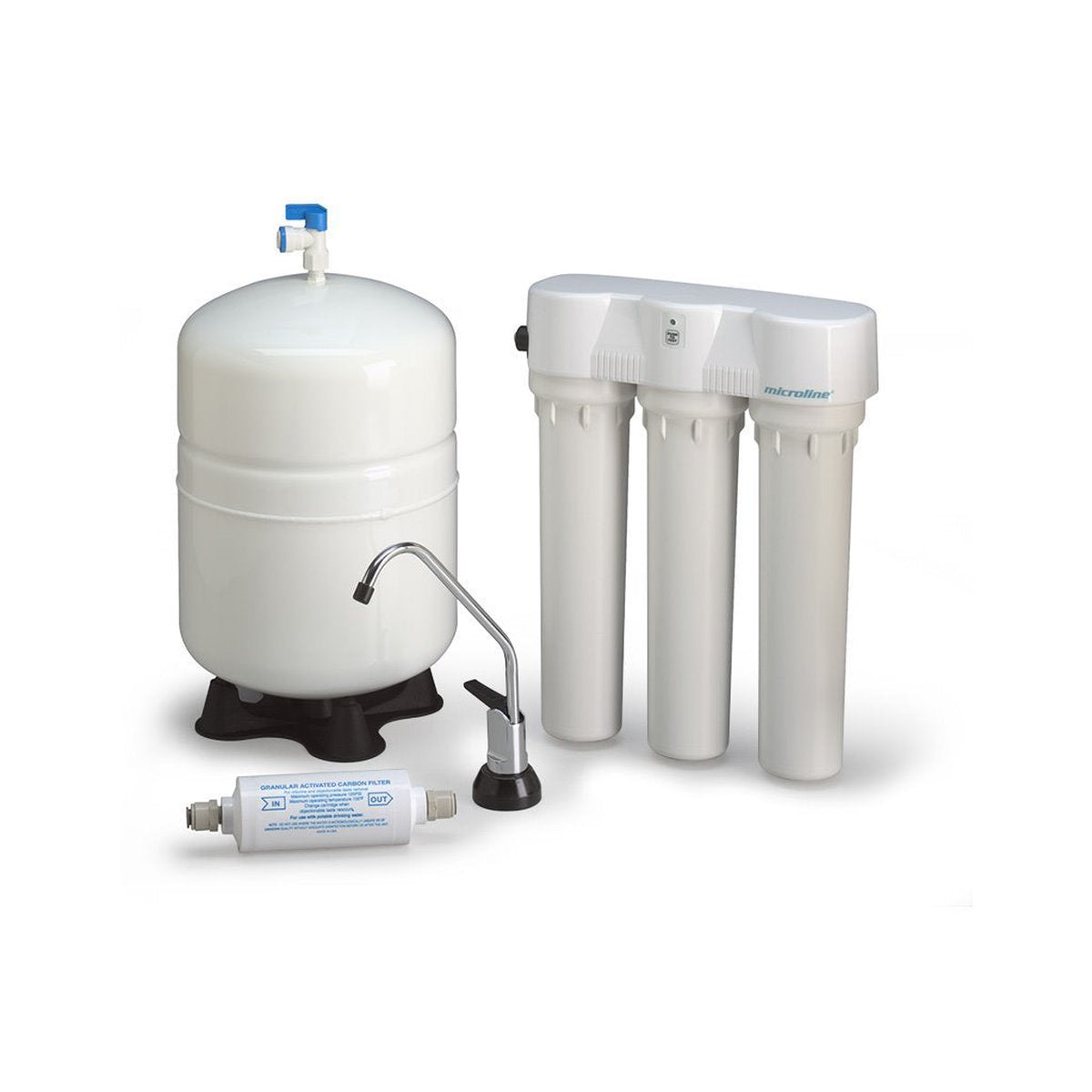
Microline Ro Sys 50 Gallons Per Day 68642
$390.42
✓ Free shipping in the USA · ✓ 90-day returns · ✓ Secure checkout
Transforming Your Water Supply with the Microline RO System
Homeowners often find themselves perplexed by the issues of taste and odor in their water supply, especially in areas where minerals and contaminants can affect water quality. The Microline RO System is designed to provide a reliable solution by delivering purified water directly to your tap, ensuring a refreshing and clean drinking experience.
Understanding the Microline RO System Basics
The Microline Reverse Osmosis (RO) System operates efficiently at a capacity of 50 gallons per day (GPD). This model, particularly variant 68643, is engineered with high-quality filtration processes that target and remove a wide array of impurities, including chlorine, fluoride, heavy metals, and organic compounds. The system's five-stage filtration process ensures that you are not only drinking cleaner water but also enjoying enhanced taste without the hassle of bottled water.
Key Features and Specifications
- Daily Production Capacity: 50 gallons per day, ideal for average household consumption.
- Filtration Stages: Five-stage process includes sediment filter, carbon filters, and semi-permeable membrane.
- Tank Size: The system is compatible with Flexcon tanks that effectively store your filtered water for immediate use.
- Space-Efficient Design: Compact dimensions make it suitable for most under-sink installations.
Installation Considerations
Although the Microline RO system is designed for user-friendly installation, it is vital to prepare adequately. Home users will typically require some basic plumbing tools, and if you’re uncertain, consulting a local plumber could ease the process. When installing the system, keep the following in mind:
- Location: Ensure you have enough space under your sink to accommodate the unit and tank.
- Water Pressure: Verify that the incoming water pressure meets the system requirements for optimal performance.
- Drain Connection: Plan a way to connect the RO system’s drain line to your household plumbing.
Maintenance and Care
Regular maintenance is crucial to keep your Microline RO System functioning at peak efficiency. Here are some standard maintenance tasks to perform:
- Filter Replacement: Schedule filter changes every 6 to 12 months, depending on water quality and usage.
- Tank Inspection: Periodically examine the storage tank for leaks or signs of wear, ensuring that it maintains its pressure.
- Sanitization: Annually clean and sanitize the system to prevent bacterial growth in the filters and tank.
Common Mistakes to Avoid
When adopting a reverse osmosis system, new users often overlook essential aspects that could hinder performance:
- Ignoring Water Quality: Failure to test your water before installation can lead to improper filtration expectations.
- Neglecting Regular Maintenance: Skipping filter changes or cleaning can drastically affect water quality.
- Overlooking System Specifications: Buying a system that doesn’t match your household consumption needs can lead to dissatisfaction.
The Science of Water Filtration
The Microline RO system employs a multi-layer filtration process that begins with a sediment filter to capture larger particles suspended in water. This pre-filtration step is crucial for protecting the more delicate carbon filters and reverse osmosis membrane that follow. Here’s a breakdown of what happens at each stage:
| Filtration Stage | Function |
|---|---|
| Sediment Filter | Removes dirt, rust, and sand particles. |
| Carbon Filter | Absorbs chlorine, bad odors, and tastes. |
| Reverse Osmosis Membrane | Eliminates up to 99% of total dissolved solids (TDS) and contaminants. |
| Final Carbon Filter | Refines taste after the water has passed through the membrane. |
Benefits of Using the Microline RO System
Investing in this RO system represents a commitment to purity and quality in your water supply. The significant benefits include:
- Improved Taste: You’ll notice a marked improvement in the flavor of beverages and cooking.
- Health Benefits: Reducing contaminants can lead to better overall health outcomes.
- Cost-Effective: Decreases reliance on bottled water, saving you money in the long term.
Final Thoughts
The Microline RO system 50 GPD variant 68643 presents an effective solution for families looking to enhance their drinking water quality. With its robust filtration technology and ease of installation, it is an excellent choice for empowering homeowners to take control of their water. Embrace the transformation and enjoy pure, clean water right from your tap!
Common Issues and Troubleshooting Tips
Despite the robust design of the Microline RO system, issues may arise during its operation. Being aware of potential problems and knowing how to troubleshoot them can help ensure that your system remains efficient and reliable.
Low Water Pressure
One common issue with reverse osmosis systems is low water pressure. This can affect the flow rate and overall performance of the unit.
- Check the Water Source: Ensure that the feed water valve is fully open and that there are no obstructions in the plumbing leading to the RO system.
- Inspect the Filters: Clogged filters can impede water flow. Regularly check, clean, or replace filters as needed to maintain optimal function.
- Monitor for Leaks: Inspect the system components for any leaks that might lead to pressure drops and ensure seals are properly fitted.
Inconsistent Water Taste or Odor
If you notice fluctuations in the taste or odor of your water, it may indicate issues with the filtration process.
- Check Filter Status: Old or clogged filters can cause unpleasant flavors or smells. Replace filters as per the manufacturer’s recommendations.
- Evaluate Water Source Quality: If your incoming water quality has changed significantly, it may impact the taste. Test water quality to identify potential new contaminants.
- Review Installation: Ensure the system is installed properly with no cross-connections that might compromise water quality.
Water Quality Testing
Regular water quality testing is essential for ensuring the efficiency of your filtration system. Testing can help you identify contaminants and verify the performance of your RO system.
- Use a TDS Meter: A Total Dissolved Solids (TDS) meter can measure the concentration of dissolved substances in your water. This tool is invaluable in assessing whether your RO system is operating effectively.
- Conduct Periodic Testing: Consider testing your water every six months to establish a baseline and detect changes in water quality.
- Engage Professional Services: If you suspect serious contamination issues, hiring a professional to conduct comprehensive water testing might be necessary.
Enhancing Your Water Filtration Experience
Beyond basic filtration, there are additional approaches you can take to further enhance your water experience. These enhancements can complement your Microline RO system and contribute to an overall improvement in water quality and usability.
Adding a Water Softener
If your water supply has high mineral content, consider incorporating a water softener system alongside your RO unit. This can help prevent mineral build-up in your plumbing and appliances.
- Benefits of Softened Water: Reduced scale buildup in pipes and appliances, leading to improved longevity and efficiency.
- Enhanced Skin Care: Softer water is gentler on the skin and hair, which can have positive effects in personal care routines.
- Improved Soap Efficiency: Softened water can enhance the effectiveness of soaps and detergents, leading to less usage and better cleaning results.
Consider a UV Purification Stage
Adding a UV purification stage to your RO system can provide an extra layer of defense against microorganisms.
- How UV Purification Works: A UV light sterilizes water as it flows through, effectively killing bacteria and viruses without the use of chemicals.
- Healthier Water: This process ensures that your water is not only clean but also safe from biological contaminants that other filtration methods may not eliminate.
- Cost-Effective Solution: While there is an initial investment, adding a UV stage typically requires minimal maintenance and can greatly enhance water safety.
Long-Term Care for Your Microline RO System
Investing in a water filtration system is an essential commitment to health and wellbeing. To maximize the lifetime and efficiency of your Microline RO system, consider the following long-term care tips.
Regular Maintenance Schedule
Creating a routine maintenance schedule can help you stay on top of the necessary tasks to keep your system running smoothly.
- Change Filters on Time: Adhere to the filter replacement schedule provided in the user manual to prevent inefficiencies.
- Clean the System: Periodically clean the RO system to remove any buildup or residues that may collect within the components.
- Inspect Connections: Regularly check connections and fittings for tightness and leaks to prevent an unexpected drop in efficiency.
Educate Your Family
Teaching your family about the importance of proper water filtration and the significance of maintaining the system can ensure that everyone contributes to its upkeep.
- Discuss Water Conservation: Encourage awareness about water usage within the household, emphasizing the value of clean water.
- Foster Responsibility: Delegating small tasks related to maintenance can teach family members accountability and the importance of home systems.
- Share Knowledge: Engage in discussions about water quality and safety to cultivate a deeper understanding of health and wellness.
Environmental Benefits of Home Filtration
Investing in a Microline RO system not only benefits your health but also has a positive impact on the environment.
Reduction of Plastic Waste
Using a home water filtration system significantly minimizes the reliance on bottled water, which is a major contributor to plastic waste.
- Impact of Single-Use Plastics: Thousands of tons of plastic bottles end up in landfills each year, and reducing demand for these products helps mitigate environmental harm.
- Encouragement of Sustainable Practices: Home filtration promotes a culture of sustainability by encouraging the use of reusable containers.
- Conserving Resources: Lessening plastic reliance promotes the conservation of resources needed for manufacturing and transporting bottled water.
Conservation of Water Resources
Filtered water often leads to more responsible water usage habits, promoting conservation practices in households.
- Awareness of Consumption: Filtering your own water often encourages more mindful use of water in cooking and drinking.
- Efficient Use: Home RO systems generally waste less water compared to traditional methods of water purification, contributing to broader conservation efforts.
- Encouraging Innovation: As home filtration becomes more popular, it drives innovation in water technologies aimed at increasing efficiency and reducing waste.
Health Benefits of Home Filtration Systems
Home water filtration systems like the Microline RO system not only enhance the taste of drinking water but also provide numerous health benefits. By investing in these systems, families can enjoy cleaner, healthier water with fewer contaminants.
Improved Taste and Odor
Many people prefer the taste of filtered water over tap water, which can sometimes have unpleasant tastes or odors due to chlorine, sulfur, or other impurities. A good filtration system can help eliminate these factors, making it easier for family members, especially children, to stay hydrated and enjoy water as part of their daily routine.
Reduction of Contaminants
Home filtration systems are designed to significantly reduce various harmful contaminants often found in municipal water supplies. Some of the common contaminants that can be addressed include:
- Heavy Metals: Lead, arsenic, and mercury are substances that can leach into water from plumbing systems and the environment. Filtering these out can prevent potential health complications.
- Chlorine and Chloramine: Used for disinfection, these chemicals can negatively impact taste and aroma, and in high concentrations, they may have adverse health effects.
- Pesticides and Herbicides: Agricultural runoff can introduce harmful chemicals into water sources. Home filtration can reduce exposure to these substances.
Cost-Effectiveness of Home Filtration
While the initial investment in a home water filtration system may seem significant, the long-term financial benefits can outweigh the upfront costs. Families can significantly save money over time while enjoying clean water.
Comparison with Bottled Water
The frequent purchase of bottled water can add up quickly, leading to substantial monthly expenses. In contrast, filtering water at home typically reduces these costs to a fraction of what you would spend on bottled water. Over the years, the savings can lead to significant financial freedom that can be redirected to other essential family needs.
Maintenance Costs
In addition to the direct savings from eliminating bottled water purchases, the maintenance costs for home water filtration systems are generally lower than expected. Most systems only require periodic filter replacements, which are often affordable and can be scheduled in advance. Compared to the ongoing expenses of buying bottled water, this makes home filtration a more manageable choice.
Convenience of Home Filtration Systems
One of the most appealing aspects of home water filtration systems is their convenience. Families can enjoy immediate access to filtered water at any time, which promotes a healthier lifestyle.
Instant Access to Clean Water
With a home filtration system, there is no need to run out to the store to purchase water or wait for a delivery. Families can conveniently access clean water for drinking, cooking, and food preparation straight from their tap. This easy access makes it more likely that everyone in the household will adopt healthy hydration habits.
Easy Integration with Daily Routines
Many modern home water filtration systems can be easily integrated into existing plumbing without requiring extensive renovations. This makes the transition to filtered water seamless, allowing families to continue their routines without unnecessary disruptions.
Encouraging Hydration in Children
Teaching children the importance of hydration is vital for their growth and development. Having a home filtration system can significantly contribute to making water their beverage of choice.
Enhanced Accessibility
When children see filtered water readily available, they are more likely to choose water over sugary drinks or juice. This simple accessibility can help establish healthy habits early on, contributing to their overall well-being.
Educational Opportunities
Parents can utilize the presence of a home water filtration system as a teaching moment for their children. Explaining the filtration process fosters curiosity about science and health, encouraging children to learn more about environmental issues and the importance of clean water.
Community and Social Responsibility
Investing in a home water filtration system extends beyond individual benefits—families can play a role in promoting community health and well-being as well.
Setting an Example
When families adopt eco-friendly practices such as using a water filtration system, they set a positive example for their community. Neighbors may be inspired to explore similar options, leading to a collective decrease in bottled water consumption and plastic waste.
Participating in Local Initiatives
Many communities have initiatives aimed at improving water quality and promoting environmental sustainability. Families with home filtration systems can engage in these efforts by advocating for clean water access, supporting local sustainability projects, and participating in educational programs that highlight the importance of water conservation.


50 GPD Microline Residential RO System with Flexcon Tank — TFC-35A, Microline RO 50gpd w/TFC, Flexcon Tank, TFC35ANGNM
Buy NowRelated