
Microline Ro Sys 50 Gallons Per Day 08240
$390.42
✓ Free shipping in the USA · ✓ 90-day returns · ✓ Secure checkout
Discover the Microline RO System: 50 Gallons Per Day Solution
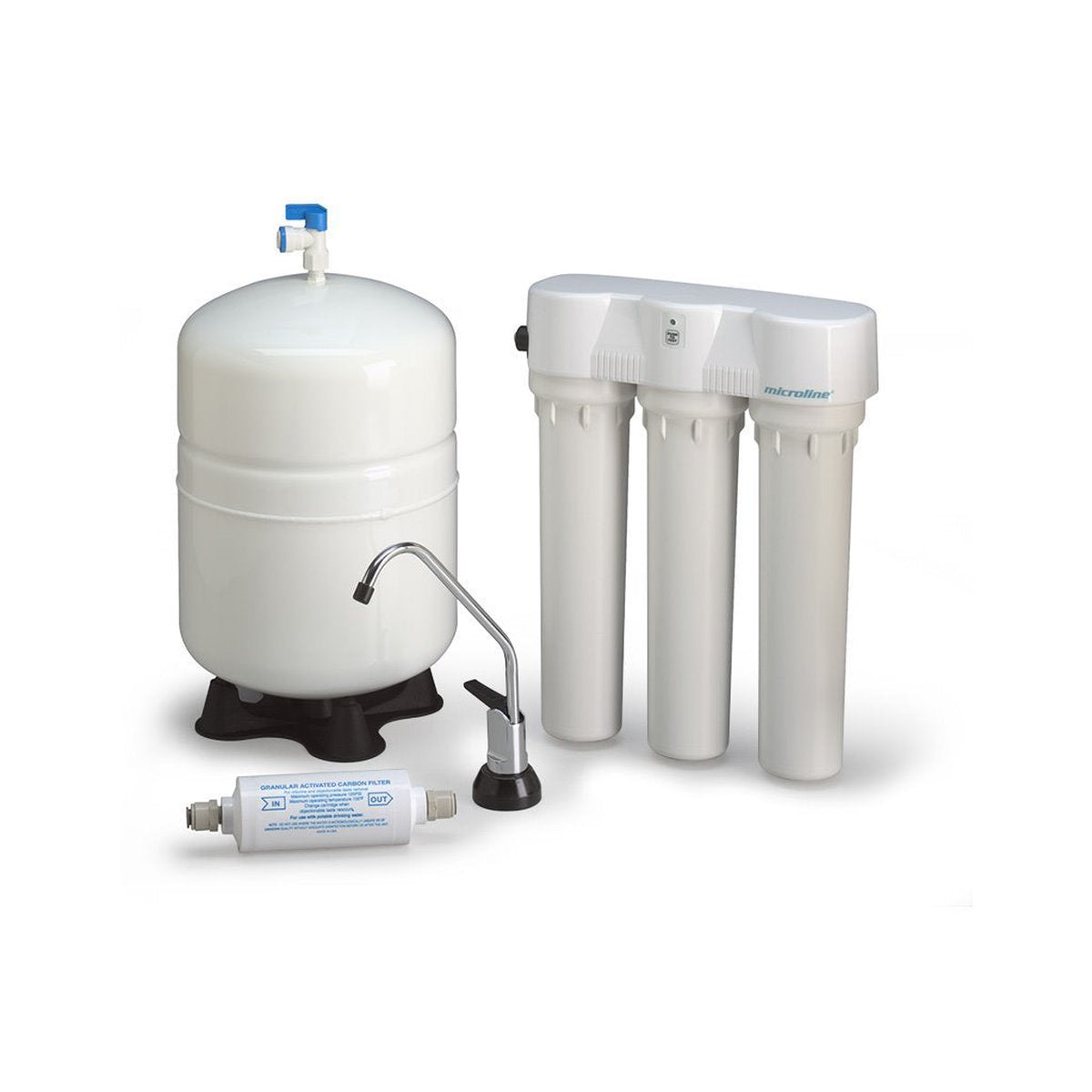
Homeowners often grapple with tap water issues, particularly concerning taste and purity. The Microline RO System not only addresses these challenges but offers an efficient solution for those in need of clean, great-tasting water. With a production rate of 50 gallons per day, this reverse osmosis (RO) system is perfectly sized for average household water consumption, ensuring ease of use without the need for constant refilling.
Key Features of the Microline RO System
- 50 GPD Production Rate: Designed to satisfy daily water needs for families and small households.
- Compact Design: Space-efficient configuration allows for easy placement under sinks or in small utility areas.
- Advanced Filtration: Utilize multiple stages of filtration to effectively reduce contaminants, including chlorine, lead, and sediment.
- Tank Capacity: Equipped with a 4-gallon storage tank, ensuring you'll have plenty of purified water on hand.
Understanding Water Chemistry and Filtration Needs
Before diving into a purchase, it's essential to understand the unique chemistry of your household water. Common contaminants include chlorination by-products, heavy metals, and total dissolved solids (TDS). The Microline RO System excels at removing impurities, but optimal performance hinges on knowing your water's specific composition.
Testing Water Quality
Using a home water testing kit allows you to identify key parameters such as pH, hardness, and TDS levels. This information will not only help assess the suitability of the Microline RO System but also guide any necessary pre-filtration requirements. Remember, if your water has high sediment levels, adding a sediment pre-filter may enhance the system’s longevity and performance.
Sizing Your Water Treatment System
Choosing the right size RO system goes beyond just gallons per day (GPD). It's crucial to factor in peak water consumption times. For instance, if your household sees heavy water use in the morning and evening, ensure that your system meets these demands. The Microline’s 50 GPD output is suitable for many average households, but understanding your usage patterns is fundamental before making your selection.
Flow Rate Considerations
The flow rate is determined by the RO system's design and membrane efficiency. Ensure that it meets your needs; if your household frequently uses water simultaneously (for cooking, cleaning, and drinking), a system with a higher flow rate may be necessary. Conversely, if you predominantly need filtered water for cooking and drinking, the Microline system is often more than adequate.
Installation and Maintenance
While the Microline RO System is designed for simplicity, proper installation is crucial for optimal operation. While it can be done by a handy homeowner, many choose to hire a local plumber for a professional setup. Ensure all components are correctly connected and double-check for any leaks after installation. Additionally, review the system's manual for specific requirements regarding feeds and drain lines.
Maintenance Intervals
Routine maintenance is vital to ensure the longevity and efficiency of your RO system. Generally, filter replacements should be scheduled as follows:
- Pre-filter Replacement: Every 6-12 months, depending on your water quality.
- RO Membrane Replacement: Approximately every 2-3 years, though this can vary based on your water source.
- Post-filter Replacement: Every year to maintain taste and quality.
Establishing a maintenance schedule will help prevent issues, such as low water production and unpleasant tastes, while extending the life of the unit. Always refer to the manufacturer’s guidelines for specific replacement recommendations.
Common Mistakes When Purchasing an RO System
When selecting a reverse osmosis system, homeowners often overlook crucial factors that can lead to dissatisfaction. Avoid these common pitfalls:
- Ignoring Water Quality Tests: Purchase based on assumptions about your water rather than verified tests.
- Purchasing Based on Size Alone: Ensure your daily consumption aligns with the system's capacity.
- Neglecting Future Needs: Anticipate potential increases in water use (e.g., growing family) when buying your system.
What to Check Before Buying
Before investing in a Microline RO System, conduct a thorough review of the following:
- Water Analysis: Understand what's in your water to ensure the system can effectively target specific contaminants.
- System Design: Review the specifications and features that match your household's needs.
- Customer Support: Ensure reliable support is available for troubleshooting and maintenance inquiries.
Final Thoughts
The Microline RO System with a 50 gallons per day capacity stands as an excellent choice for households looking to improve their water quality without the hassle of complex setups or extensive maintenance. Armed with the right knowledge and preparation, you can enjoy the benefits of clean, filtered water that supports a healthier lifestyle. Make sure to stay informed and follow all maintenance schedules, and you'll have a reliable water solution for years to come.
Understanding the Importance of Water Mineralization
While reverse osmosis (RO) systems effectively remove contaminants from water, they also strip away essential minerals, which can affect the taste and nutritional value of the water. It is crucial to explore the importance of re-mineralization in the context of RO systems and how this process can enhance water quality.
What is Water Mineralization?
Water mineralization refers to the process of adding minerals back into purified water after filtration. The most common minerals added include calcium, magnesium, and potassium. These minerals are vital for maintaining health and contribute to the overall flavor profile of the water.
Benefits of Mineralized Water
- Enhanced Taste: Mineralized water often has a more refreshing and palatable taste compared to demineralized water.
- Health Benefits: Minerals like calcium and magnesium are crucial for various bodily functions, including bone health and muscle function.
- Balanced pH Levels: Mineralization can help in achieving a balanced pH level, which is beneficial for digestive health.
Re-mineralization Methods
Several methods can be employed to reintroduce minerals into RO-treated water:
- Mineral Filters: These can be integrated into the RO system to add minerals post-filtration.
- Alkaline Pitchers: These are standalone pitchers that can be used to remineralize drinking water.
- Added Mineral Drops: Liquid mineral supplements can be added directly to water for a quick solution.
Energy Efficiency of RO Systems
Energy consumption is an often-overlooked factor when selecting a reverse osmosis system. Understanding how to make your RO system more energy-efficient can lead to lower utility bills and a better environmental footprint.
Factors Impacting Energy Efficiency
Several factors affect the energy efficiency of an RO system:
- Pump Type: Some RO systems use high-efficiency pumps that consume less energy while maintaining optimal performance.
- System Size: A correctly sized system for your household needs minimizes energy waste.
- Recovery Rate: Higher recovery rates indicate less wastewater produced, which can translate to energy savings.
Ways to Enhance Energy Efficiency
- Regular Maintenance: Keeping filters clean and replacing them as needed ensures the system runs efficiently.
- Optimal Installation Location: Installing the system in a temperature-controlled area can prevent excessive energy use due to environmental factors.
- Utilizing Off-Peak Hours: If your system has a water storage tank, you can fill it during off-peak hours to save on energy costs.
Comparing Different Types of RO Systems
There are various types of RO systems available on the market, each with its unique features and advantages. Understanding these differences can help you make a more informed decision.
Point-of-Use vs. Point-of-Entry Systems
Point-of-use (POU) systems are designed for specific faucets or appliances, while point-of-entry (POE) systems treat all the water entering your home. Consider the following:
- Point-of-Use: Ideal for households that primarily need filtered water for drinking and cooking.
- Point-of-Entry: Suitable for larger households or families that require treated water for all applications, including bathing and cleaning.
Traditional RO Systems vs. Tankless Systems
While traditional RO systems store water in tanks, tankless models provide filtered water on demand:
- Traditional Systems: Tend to take up more space and may require more maintenance due to storage tanks.
- Tankless Systems: Offer a compact design and eliminate the need for storage, making them more convenient for smaller spaces.
Integrated Reverse Osmosis Systems
Some modern appliances come with integrated RO systems, providing a seamless solution:
- Refrigerators: Many refrigerators now offer built-in filtration systems that provide fresh water and ice directly from the appliance.
- Water Dispensers: Integrated water coolers and dispensers incorporate reverse osmosis to deliver purified water without the need for a separate system.
Understanding Contaminant Removal Capabilities
Each RO system has specific contaminant removal capabilities, which are crucial when it comes to ensuring the safety and quality of your drinking water. Understanding what a system can and cannot remove will guide you in making the best choice.
Common Contaminants Removed by RO Systems
- Heavy Metals: Lead, arsenic, and mercury are significantly reduced, which is essential for health.
- Chlorine and Chloramines: These chemicals, often used in municipal water systems, can affect taste and smell.
- Microbial Contaminants: Bacteria and viruses are effectively removed, providing a safer drinking experience.
Contaminants Less Effectively Removed
While RO systems are excellent at removing a range of contaminants, they are less effective against certain substances:
- Volatile Organic Compounds (VOCs): These can sometimes pass through the RO membrane, depending on their molecular weight.
- Radon: This radioactive gas may require additional treatment methods for complete removal.
Understanding Wastewater Management in RO Systems
An essential aspect that often gets overlooked when discussing reverse osmosis systems is wastewater management. Understanding how your system operates in terms of water waste can enhance your overall satisfaction and environmental responsibility.
Water Waste Ratio
The water waste ratio is the amount of wastewater produced compared to the potable water generated. Typical RO systems may have a 4:1 or 3:1 waste-to-product water ratio. Understanding this ratio can help you manage water resources effectively.
Minimizing Wastewater Production
- Choose High-Efficiency Systems: Some modern RO systems are designed to minimize wastewater through improved membranes and filtration technology.
- Use a Permeate Pump: This device reduces wastewater by improving water pressure and can enhance the overall efficiency of the RO system.
Conclusion
When investing in a reverse osmosis system, it is essential to consider various factors such as mineralization, energy efficiency, system types, contaminant removal capabilities, and wastewater management. A well-informed choice will not only enhance your drinking water quality but also ensure a sustainable and cost-effective solution for you and your family. By taking all these aspects into account, you can optimize your reverse osmosis experience for years to come.
Understanding the Importance of Regular Maintenance
Regular maintenance is crucial for ensuring the longevity and effectiveness of reverse osmosis (RO) systems. By conducting routine checks and necessary upkeep, you can maximize the filtration performance and prevent potential issues that may arise over time.
Key Maintenance Practices
- Filter Replacement: The pre-filters, post-filters, and RO membranes need to be replaced on a regular schedule. Generally, pre-filters should be replaced every 6-12 months, while the RO membrane can last 2-5 years depending on usage and water quality.
- System Sanitization: Regularly sanitizing your system, usually every 6-12 months, is vital for preventing bacterial growth and maintaining water quality. This can be done using food-grade hydrogen peroxide or specific sanitizing solutions designed for RO systems.
- Visual Inspections: Conducting routine visual inspections can help you quickly identify any leaks or physical damage to your system. Look for signs of moisture around connections and check the hoses for cracks or wear.
Understanding Water Quality Testing
Before and after installing an RO system, water quality testing is imperative. This enables users to understand what contaminants are present and how effective the system will be at removing them.
Types of Water Tests
- pH Testing: Measures the acidity or alkalinity of the water, which can affect both the taste and effectiveness of the RO system.
- TDS Testing: Total Dissolved Solids (TDS) testing determines the concentration of dissolved particles in water. Higher TDS levels indicate a need for filtration, which RO systems excel at handling.
- Specific Contaminant Testing: Testing for specific contaminants such as lead, chlorine, bacteria, or other chemicals helps gauge the effectiveness of the RO system and determine the best pre-treatment options required.
Energy Use and Efficiency in RO Systems
While RO systems are known for providing cleaner water, they also consume energy, particularly if certain components like pumps are involved. Understanding energy efficiency can impact both operational costs and environmental footprint.
Energy-Efficient RO Systems
- Low-Energy Membranes: Some modern membranes are designed to operate at lower pressures, thus consuming less energy. These membranes can provide the same level of filtering while reducing electricity costs.
- Energy Recovery Devices: These devices recycle energy from the high-pressure water used to create clean water. They can significantly reduce the overall energy consumption of the RO system.
- Smart Technology Integration: Many RO systems now come equipped with smart technology that enables real-time monitoring of water usage and energy consumption. This can help users make informed decisions about their water and energy usage.
Alternative Filtration Options
While reverse osmosis is a popular choice, other filtration technologies may suit different needs and preferences. Understanding these alternatives can provide users with additional options for obtaining clean drinking water.
Common Filtration Technologies
- Activated Carbon Filters: These filters excel in removing chlorine, sediment, and organic compounds, but they do not perform well against dissolved solids like salts and heavy metals.
- Ultraviolet (UV) Filters: Ideal for eliminating bacteria and viruses, UV filters work best in conjunction with other filtration systems, as they do not address chemical contaminants or sediments.
- Distillation: This process involves boiling water and capturing the steam, which is then condensed back into water. While effective for removing many contaminants, it is typically slower and can use more energy than RO systems.
The Role of Water Storage Tanks
Water storage tanks are often an integral part of RO systems, especially when water pressure is low or there is high water demand. Understanding their function can enhance your overall system performance.
Benefits of a Storage Tank
- On-Demand Water Supply: A storage tank allows for immediate access to purified water, ensuring that your household's drinking needs are met without delay.
- Pressure Stabilization: Tanks help stabilize water pressure, providing a more consistent flow of water from the faucet.
- Space Considerations: Smaller systems may not require a tank, but larger households might benefit from having a tank for greater storage and efficiency.
Regulatory Standards and Certifications
When selecting an RO system, it is essential to consider certifications and regulatory standards. These ensure that the system meets safety and efficiency benchmarks.
Key Certifications to Look For
- NSF/ANSI Standards: Certification by NSF (National Sanitation Foundation) indicates that the system meets tested performance standards for health effects and contaminants.
- WQA Gold Seal: The Water Quality Association offers a Gold Seal certification that signifies quality assurance in water treatment products.
- EPA Compliance: Ensures that the system is compliant with the environmental protection standards concerning water quality and contaminants.


50 GPD Microline Residential RO System with Flexcon Tank — TFC-35A, Microline RO 50gpd w/TFC, Flexcon Tank, TFC35ANGNM
Buy NowRelated