
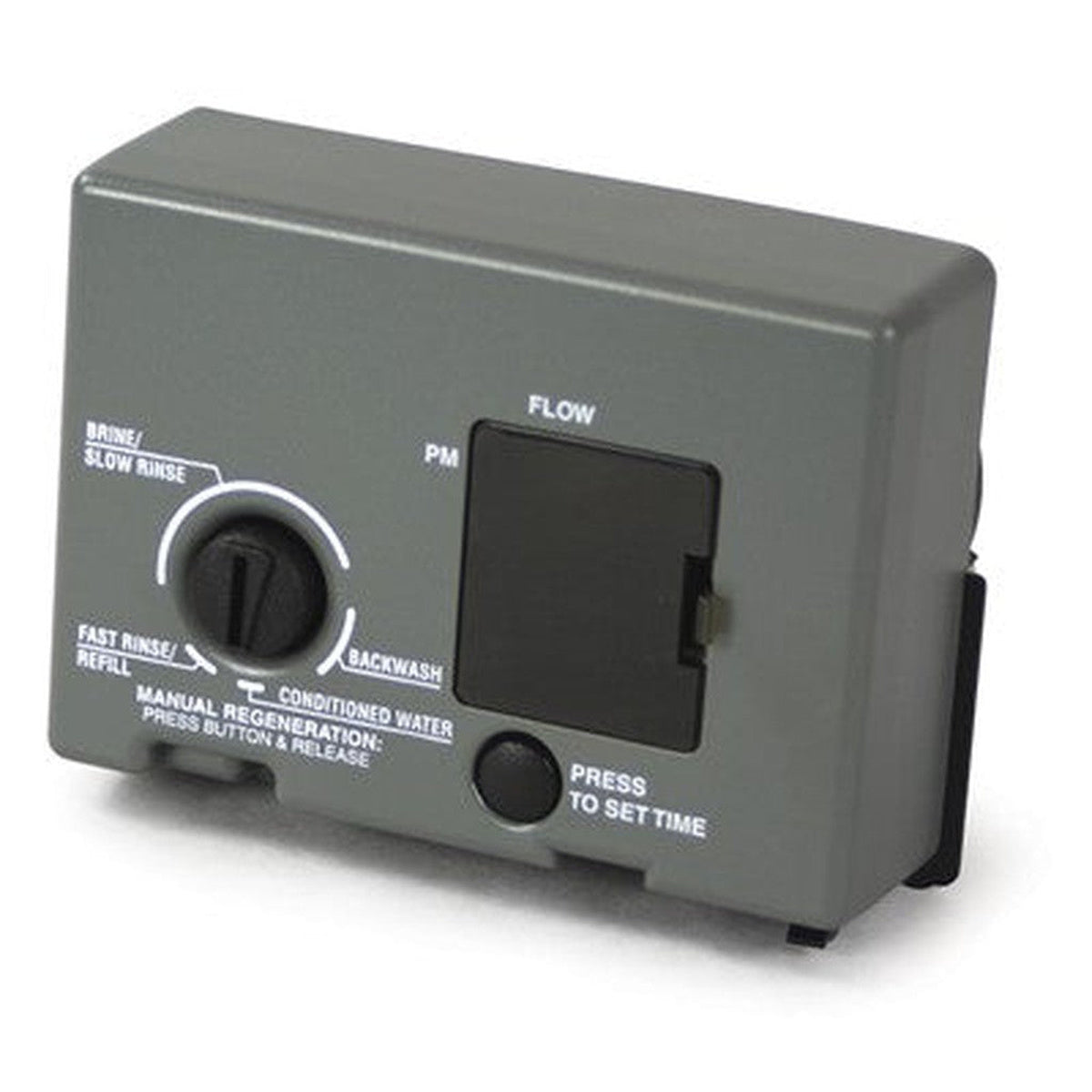
Autotrol 460i Timer 58734
$586.00
Water Softener Plus Autotrol 460i Timer Control Valve Head
✓ Free shipping in the USA · ✓ 90-day returns · ✓ Secure checkout

Introducing the Autotrol 460i Timer 58734
In many communities, including yours, access to clean and manageable water can be hindered by system inefficiencies. If you're moving to a home that struggles with hard water issues, the Autotrol 460i Timer 58734 offers a reliable solution tailored specifically for residential water treatment systems. This timer is designed to optimize the performance of your water softener, ensuring efficient operation and long-term durability.
Addressing Local Water Chemistry Challenges
Your local water supply has its unique profile, often containing high levels of calcium and magnesium that contribute to hard water problems. These minerals can lead to scale buildup in plumbing and appliances, reducing their efficiency and lifespan. When deciding on a water softening system, it’s crucial to ensure the timer you choose is compatible with your specific water chemistry needs.
Understanding Hardness Levels
In your area, hard water is a common concern. The Autotrol 460i Timer is specially designed to tackle these challenges by scheduling regeneration cycles based on your household's water usage. The timer’s programmable features ensure that the softener regenerates at optimal times, minimizing water waste and ensuring you always have soft water at your disposal.
Contaminants and Additional Considerations
Alongside hardness, water in your region may also contain various contaminants, including iron or sediment. While the Autotrol 460i Timer does not directly address these issues, establishing a balanced water treatment system—including pre-filters or other treatment solutions—can enhance the effectiveness of your water softening efforts. Evaluate your water tests carefully to make informed decisions about accompanying equipment.
Efficient Equipment Sizing
One of the key factors in maximizing the longevity and effectiveness of your water softener is choosing the right size. The Autotrol 460i Timer works best when paired with appropriately sized systems based on your home’s specific water usage patterns. Typically, a family of four will require a larger system, while smaller households might opt for more compact solutions. Consult with your local water treatment experts to determine the best sizing options for your household.
Installation Considerations
When planning for the installation of a water softening system with an Autotrol 460i Timer, carefully consider the location of your equipment. It is advisable to place the unit near the main water supply line, ideally in a temperature-controlled area to protect it from extreme weather conditions. Don't overlook the need for drainage in your setup; proper connections to drain water during regeneration cycles are essential for optimal performance.
Maintenance Intervals and Best Practices
To ensure your Autotrol 460i Timer operates correctly, regular maintenance is key. Set reminders for periodical checks, including the salt levels in your brine tank and the overall health of your system. Depending on water usage and local conditions, consider scheduling a full system inspection at least once a year. During these checks, flushing out the brine tank and cleaning the resin bed can prevent buildup and maintain the efficiency of your softening process.
Adapting to Changes in Water Use
As your household dynamics change, so will your water usage patterns. The Autotrol 460i Timer allows for adaptable programming to suit these fluctuations. Whether welcoming new family members or changing daily routines, it’s important to adjust the timer settings to ensure your water softener operates effectively, providing consistent treatment tailored to your current needs.
Why Choose the Autotrol 460i Timer?
Choosing the Autotrol 460i Timer means investing in a dependable solution that simplifies the complexities of residential water treatment. With customizable controls, it empowers homeowners to take charge of their water quality, ensuring softer, cleaner water throughout your home. This device emphasizes energy and water conservation, aligning with a more sustainable approach to daily living.
Conclusion: Empower Your Water Treatment Strategy
Embracing the benefits of the Autotrol 460i Timer equips you with a powerful ally against hard water issues. By understanding your local water chemistry and choosing the right sizing and installation techniques, you can fully harness the advantages of this advanced timer. Take control of your household water quality and enjoy the numerous benefits that come with a well-functioning water softening system.
- Optimize regeneration cycles for efficiency.
- Address both hardness and potential contaminants.
- Ensure appropriate sizing for your household.
- Implement best practices in installation for longevity.
- Stay proactive with regular maintenance.
Understanding Water Hardness
Water hardness is determined primarily by the presence of minerals, especially calcium and magnesium. These minerals enter the water supply through natural sources like limestone and mineral springs. Measuring water hardness is crucial in assessing the effectiveness of a water softening system.
Measuring Water Hardness
Water hardness can be measured in various ways: parts per million (ppm), milligrams per liter (mg/L), or grains per gallon (gpg). A typical classification includes:
- Soft Water: 0-60 ppm
- Moderately Hard Water: 61-120 ppm
- Very Hard Water: 181+ ppm
Understanding the hardness level of your water is essential in selecting the right water softener and configuring it to meet your home’s needs.
The Role of Ion Exchange
The ion exchange process is fundamental in water softening. Water softeners work by replacing calcium and magnesium ions with sodium or potassium ions through a resin bed. This exchange effectively reduces water hardness, leading to several benefits including less scale buildup on appliances and plumbing.
Types of Water Softeners
While the Autotrol 460i Timer is a sophisticated choice, various types of water softeners exist, each suited for different needs:
- Sodium-based Water Softeners: Most common, using sodium ions for the ion exchange process.
- Potassium-based Water Softeners: Eco-friendly alternatives that utilize potassium instead of sodium, beneficial for those on sodium-restricted diets.
- Magnetic or Electronic Water Softeners: Innovative devices that claim to alter mineral structure through magnetic fields. While their effectiveness is debated, they offer a chemical-free alternative.
Environmental Impact of Water Softening
The water softening process, especially with traditional sodium softeners, can lead to increased sodium levels in wastewater. This can be a concern for local ecosystems and drinking water supplies. Understanding the environmental implications of your water softener choice is crucial for responsible usage.
Minimizing Environmental Impact
To mitigate the environmental impact, homeowners can consider the following strategies:
- Opt for Potassium-Based Softeners: These alternatives help reduce sodium discharge and are environmentally friendly.
- Reuse Water for Landscaping: Systems that allow for collecting backwash water can reduce waste.
- Choose a High-Efficiency Softener: Advanced models use less water and salt during regeneration, significantly decreasing environmental footprints.
Regulatory Considerations
Some regions enforce regulations regarding water softening to preserve local water supplies. It’s essential to stay informed about local guidelines and best practices to ensure compliance and promote sustainability in your community.
Compatibility with Other Water Treatment Systems
Integrating your water softener with other treatment systems can enhance overall water quality. Common pairings include:
- Water Filters: These can remove additional contaminants like chlorine, chloramine, and sediment. This is particularly important in areas with municipal water supplies.
- Reverse Osmosis Systems: Combining a softener with reverse osmosis can provide high purity water for drinking and cooking, effectively minimizing the presence of hard minerals.
- Ultraviolet (UV) Lights: Adding UV purification can eliminate harmful microorganisms, ensuring safe, soft water free from bacteria.
Choosing Compatible Systems
When selecting complementary systems, compatibility is vital. Be sure to consult with professionals or do thorough research into the specifications and requirements of each component. This will help create a cohesive and efficient water treatment solution.
Common Myths about Water Softeners
Many misconceptions surround the use of water softeners that can lead to confusion among homeowners. Addressing these myths can help you make informed decisions:
- Myth 1: Water softeners remove all contaminants.
- Myth 2: Softened water is unsafe to drink.
- Myth 3: Water softeners require a lot of maintenance.
Understanding the realities versus these myths empowers homeowners to utilize their water softening systems effectively. Proper education will foster a better relationship with your water quality, enabling you to enjoy the benefits of softened water without misconceptions.
Maintenance Tips for Water Softeners
Regular maintenance is crucial for ensuring that your water softener functions effectively and lasts for many years. Here are some essential tips:
- Check Salt Levels: Regularly inspect the salt levels in the brine tank. Replenish it with salt when the levels drop below half full to maintain optimal performance.
- Clean the Brine Tank: At least once a year, empty and clean the brine tank to prevent salt bridges and buildup that can hinder operations.
- Inspect and Replace Filters: If your system uses pre-filters or post-filters, make it a point to replace them regularly according to the manufacturer's guidelines to ensure clean water output.
- Check for Leaks: Periodically check hoses and connections for leaks or wear and replace them as needed to prevent any water loss or damage to the system.
Water Softener Technology Evolution
Water softening technology has evolved significantly over the years. Modern systems may incorporate advanced features such as:
- Smart Technology: Many contemporary water softeners come equipped with smart technology, allowing users to monitor usage, receiving alerts for maintenance needs directly on their smartphones.
- Demand-Initiated Regeneration: This feature enables the system to regenerate only when necessary, based on actual water usage, leading to improved efficiency and reduced salt consumption.
- Dual-Tank Systems: To ensure a continuous supply of softened water, dual-tank systems provide an uninterrupted service by allowing one tank to regenerate while the other is in use.
Environmental Impact of Water Softeners
While water softeners are beneficial for household appliances and plumbing, it’s important to consider their environmental impact:
- Usage of Salt: The discharge from water softeners can affect local waterways if not managed properly. Some regions have initiated programs to mitigate this impact, encouraging the use of potassium chloride as a more environmentally friendly alternative.
- Water Waste: Regeneration processes can lead to water waste, emphasizing the need to choose efficient systems and practices that minimize this issue.