
Under Sink Alkaline RO - República Dominicana
$390.42
✓ Free shipping in the USA · ✓ 90-day returns · ✓ Secure checkout

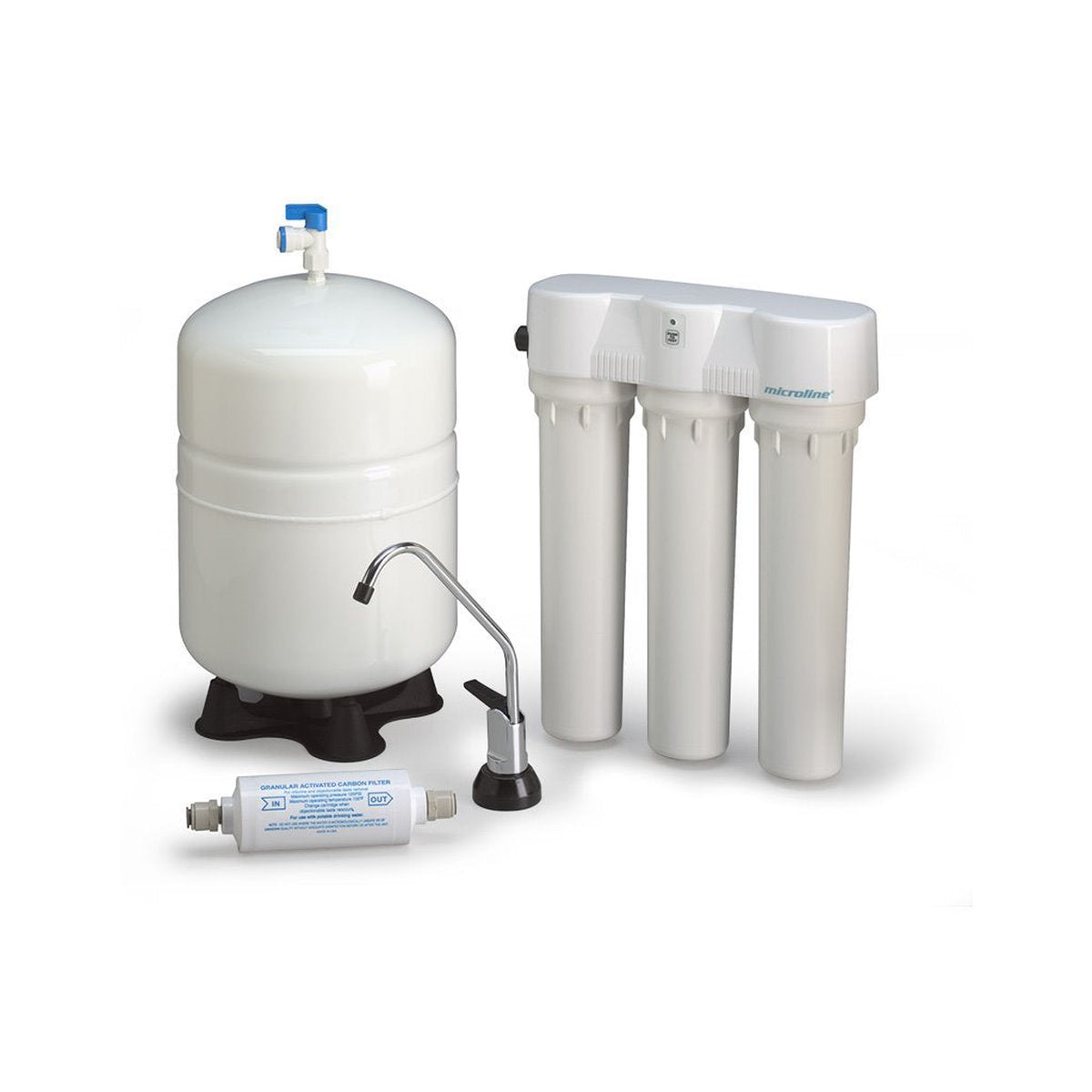
50 GPD Microline Residential RO System with Flexcon Tank — TFC-35A, Microline RO 50gpd w/TFC, Flexcon Tank, TFC35ANGNM
Buy NowPrice includes shipping and applicable taxes.
Under Sink Alkaline RO Systems for the Dominican Republic
In the Dominican Republic, many households rely on a mix of municipal and private well water sources, which can lead to a diverse range of water quality challenges. From mineral imbalances to various contaminants, these factors can significantly impact both health and appliance longevity. The Microline RO System, designed for under-sink installation, offers a practical and effective solution for homeowners looking to improve their drinking water quality.
Understanding Local Water Quality Issues
The water supply in the Dominican Republic often presents unique chemistry that varies significantly from region to region. Common issues include:
- Chlorine and Chloramines: Often added in municipal systems to disinfect water but can cause unpleasant tastes and odors.
- Hardness: Calcium and magnesium levels may be higher, leading to scaling in pipes and appliances.
- Heavy Metals: Tap water may contain traces of lead or other metals, especially in older plumbing systems.
- Microbial Contaminants: Well water can be susceptible to bacteria and viruses without proper treatment.
These factors necessitate the use of robust water treatment systems to ensure that the water you consume is both safe and palatable. The Microline RO System targets such contaminants effectively while also benefitting from the addition of alkaline minerals, enhancing both the taste and health benefits of your water.
The Benefits of an Alkaline Reverse Osmosis System
Choosing an under-sink alkaline reverse osmosis (RO) system like the Microline model brings several advantages:
- Improved Taste: Alkaline filtration enhances the flavor of your water, making it more enjoyable to drink.
- Natural Remineralization: The system adds essential minerals back into the water, a vital feature considering the often-mineral-poor nature of RO-purified water.
- Compact Design: An under-sink installation saves space, making it an ideal choice for kitchens with limited counter room.
- Enhanced Health: Removing harmful substances results in cleaner water, contributing to overall wellness.
System Sizing According to Household Needs
A critical factor when considering a water treatment system is its capacity. The Microline RO System is rated to deliver up to 50 gallons of purified water per day, which is generally sufficient for most households. However, understanding your family’s specific consumption patterns is important:
- If you have a larger family or engage in activities that require higher water consumption, consider your daily needs for cooking, drinking, and even pet care.
- Factor in the number of people using the water at any given time, particularly during peak usage periods like breakfast or dinner times.
Note that while the system can produce 50 gallons per day, the actual output can vary based on the incoming water pressure and temperature. Hence, it is somewhat advisable to consult a professional installer to determine the best setup tailored for your environment.
Installation Considerations
Setting up an under-sink RO system does require some preliminary planning and consideration:
- Space Requirements: Ensure there is enough under-sink space to accommodate the unit, which typically has multiple filters and a storage tank.
- Plumbing Compatibility: The system will need to connect to your existing plumbing, so check for compatibility with your sink’s configuration.
- Drain Access: The system will require a drain line for waste water, necessitating access to a drain pipe under your sink.
- Power Supply: While typically not required, some advanced models may need an outlet for added features like booster pumps or electronic monitoring systems.
Maintenance Intervals for Optimal Performance
Regular upkeep is key to maintaining water quality and prolonging the life of your RO system:
- Filter Changes: Typically, it’s recommended to replace sediment and carbon filters every 6-12 months, depending on water usage and local quality.
- RO Membrane Replacement: The reverse osmosis membrane should be replaced every 2-3 years, contingent on the quality of your source water and system usage.
- Annual Maintenance Checks: Schedule an annual check-up with a qualified technician to ensure optimal performance and catch any potential issues early.
Moreover, always refer to the manufacturer’s guidelines for the specific model of your Microline RO System to ensure compatibility with recommended maintenance practices.
Conclusion: Take Control of Your Water Quality
Investing in an under-sink alkaline reverse osmosis system like the Microline RO System allows Dominican Republic homeowners to take proactive measures in addressing their water quality concerns. With a thorough understanding of local water challenges, appropriate installation considerations, and regular maintenance, you can ensure that your family enjoys clean, safe, and delicious water every day. Transitioning to an alkaline RO system can enhance your water’s quality significantly, making it a worthwhile addition to your home.
Understanding the Benefits of Alkaline Water
Alkaline water has gained popularity for its potential health benefits and positive effects on hydration. This section explores what makes alkaline water different and why you might consider drinking it as part of your daily routine.
What is Alkaline Water?
Alkaline water is water that has a higher pH level than regular drinking water. While regular water typically has a neutral pH of around 7, alkaline water generally has a pH of 8 or 9. This change in pH levels can influence how the body processes the water and may offer various health benefits.
Potential Health Benefits
- Hydration Efficiency: Some studies suggest that alkaline water can be absorbed more efficiently by the body, leading to better hydration levels. This is particularly beneficial for athletes or individuals engaging in intense physical activities.
- Acid-Base Balance: Proponents of alkaline water claim that it may help neutralize acid in the bloodstream, potentially reducing the risk of chronic diseases associated with high acidity.
- Bone Health Support: Preliminary studies have indicated that alkaline water might help in maintaining bone health by reducing calcium loss. This is particularly relevant for older adults concerned about osteoporosis.
- Antioxidant Properties: Alkaline water may possess antioxidant characteristics, which help neutralize harmful free radicals in the body, potentially lowering the risk of certain diseases.
Sourcing Alkaline Water
Understanding where to find alkaline water is crucial for those who wish to incorporate it into their diets. Many grocery stores offer bottled alkaline water, but for a more sustainable approach, an under-sink alkaline reverse osmosis system provides an endless supply.
Understanding Reverse Osmosis Technology
Reverse osmosis (RO) is a technology that has transformed water purification, but many individuals may still be unfamiliar with how it operates. Understanding the science behind RO can enhance appreciation for the technology's effectiveness in providing clean water.
How Reverse Osmosis Works
At its core, reverse osmosis is a water filtration process that removes impurities from water by forcing it through a semi-permeable membrane. Here’s a simplified breakdown of the process:
- Pre-Filtration: Water first passes through pre-filters that remove larger particles and contaminants, such as sediment and chlorine.
- Membrane Filtration: Next, the water is pushed through the RO membrane. This membrane has tiny pores that block harmful contaminants, allowing only clean water molecules to pass through.
- Post-Filtration: Finally, post-filters refine the water's taste and remove any remaining impurities before the water is stored in the tank.
Types of Contaminants Removed
RO systems effectively remove a wide range of contaminants, ensuring the water you consume is as pure as possible. Here are some common contaminants filtered out by RO systems:
- Heavy metals, including lead and mercury
- Chlorine and chloramine
- Fluoride
- Pesticides and herbicides
- Bacteria and viruses
- Salts and dissolved solids
Choosing the Right Model for Your Home
When selecting an under-sink alkaline reverse osmosis system, several factors come into play to ensure you choose the right model for your home.
Capacity and Flow Rate
Consider the capacity and flow rate of the unit. Depending on your household needs, some models are designed for higher output, which is ideal for families or frequent water users. Check the specifications to understand how many gallons the system can produce per day.
Installation Considerations
Installation complexity can vary between models. While many systems are designed for DIY installation, some may require more advanced plumbing skills. Evaluate your own skill level and whether you might benefit from hiring a professional for optimal installation.
Tank Size
Tank size can significantly impact how quickly you have access to purified water. Larger tanks can store more water but may take more space under your sink. Assess your available space to find a balance between capacity and footprint.
The Environmental Impact of Water Filtration Systems
Adopting an alkaline reverse osmosis system can not only improve your health but also lessen your ecological footprint, making it a more responsible choice for water consumption.
Reduction of Plastic Waste
By investing in an RO system, homeowners can significantly reduce their reliance on bottled water. This transition not only lowers the amount of plastic waste generated but also reduces the carbon footprint associated with manufacturing and transporting bottled water.
Sustainable Water Use
Many modern RO systems are designed to optimize water usage, reducing wastewater compared to older models. Some systems incorporate advanced technology to enhance efficiency, which is vital during periods of water scarcity.
Community Health Contributions
When individuals prioritize clean water, the benefits extend beyond personal health. Communities that collectively advocate for better water quality can drive demand for improved municipal water systems and greater environmental stewardship.
Common Misconceptions About Reverse Osmosis Systems
Despite their benefits, reverse osmosis systems are often surrounded by myths and misconceptions that can deter potential users. Understanding these common misunderstandings can help demystify this technology.
Myth: Reverse Osmosis Water Lacks Essential Minerals
While it's true that RO water often has fewer dissolved solids, many manufacturers incorporate remineralization stages to restore beneficial minerals such as calcium and magnesium. This ensures you maintain a healthy mineral balance in your drinking water.
Myth: RO Systems Waste Too Much Water
It’s a common belief that RO systems waste a significant amount of water. However, modern advancements have greatly improved efficiency. Many systems now utilize less than 3 gallons of water for every gallon purified, which is a considerable improvement from older models.
Myth: All RO Systems are the Same
Not all RO systems offer the same performance and features. Variations in membrane quality, filtration stages, and additional enhancements like UV lights or alkaline filters can affect efficiency and water quality. Researching specific models is crucial in selecting the right system for your needs.
Final Thoughts on Alkaline Reverse Osmosis Systems
As concerns over water quality continue to rise, investing in an under-sink alkaline reverse osmosis system emerges as a proactive strategy for ensuring clean and safe drinking water. By educating yourself on the various aspects covered in this article, you can make more informed decisions that benefit both your health and the environment.
Additional Considerations for Reverse Osmosis Systems
Maintenance and Upkeep
Regular maintenance is essential to keep your reverse osmosis system functioning optimally. This involves monitoring the filter replacement schedule and ensuring that the system is free from leaks. Most systems require filter changes every 6 to 12 months, depending on usage and water quality. Ignoring maintenance can lead to reduced efficiency and compromised water quality.
Understanding Water Pressure Requirements
Water pressure plays a significant role in the efficiency of reverse osmosis systems. These systems typically operate best within a pressure range of 40 to 90 psi. Insufficient pressure can hinder the purification process and result in lower water output. If your home’s water pressure is on the lower end, consider installing a booster pump to enhance system performance.
Choosing the Right Installation Location
When selecting a location for your reverse osmosis system, consider accessibility for maintenance and the proximity to the water supply and drainage. Ideally, it should be placed under the sink or in a utility area where there is easy access to power outlets and plumbing. Proper placement can influence both the installation process and the long-term efficiency of your system.
Potential Contaminants Removed by Reverse Osmosis
Reverse osmosis systems are particularly effective at removing a wide range of contaminants from water. Some of the most common ones include:
- Heavy metals (such as lead and arsenic)
- Chlorine and chloramines
- Pesticides and herbicides
- Fluoride
- Microbial pathogens (bacteria and viruses)
This level of filtration is essential for providing safe drinking water and ensuring peace of mind about the quality of the water consumed daily.
Environmental Impact of Reverse Osmosis Systems
While reverse osmosis is often touted for producing clean water, it is important to consider its environmental footprint. The process does result in a brine waste that contains concentrated contaminants, which requires proper management to mitigate environmental damage. When installing a system, individuals should research local guidelines on wastewater disposal to ensure compliance with regulations aimed at protecting ecosystems.
Common Upgrades and Add-Ons
To enhance the performance of reverse osmosis systems, various upgrades and add-ons are available. For example, advanced filtration options like UV sterilizers can offer additional protection against pathogens, while remineralization filters can restore essential minerals after purification. Selecting the right combination of upgrades can tailor the system to better suit specific needs.
Comparing Reverse Osmosis with Other Filtration Methods
While reverse osmosis is an effective purification method, it is essential to understand how it compares to other filtration technologies. For instance, activated carbon filters excel at removing chlorine and volatile organic compounds but may not be as effective against heavy metals. Understanding these differences will help consumers make informed choices based on their specific water quality concerns.
Addressing Common Questions About Reverse Osmosis
Many potential users have questions regarding the functionality and application of reverse osmosis systems:
- Can RO systems improve the taste of water?
- How long does installation typically take?
- Are there any special considerations for well water?
Seeking answers to these questions can provide further insight into whether a reverse osmosis system is right for you, making it easier to navigate the purchasing process.
Related
Reverse Osmosis System 5 Stage 50 gallons Per Day