Hinsdale, NH 03451 - Custom Order Ion Exchange Water Softener

$1,443.60
Autotrol 460 15,000–64,000 Grain Metered Water Softener
✓ Free shipping in the USA · ✓ 90-day returns · ✓ Secure checkout
Hinsdale, NH 03451 - Custom Order Ion Exchange Water Softener

Discovering Tailored Water Solutions for Hinsdale, NH
Residents of Hinsdale, NH, often experience unique challenges with hard water due to the mineral content present in the groundwater. The elevated levels of calcium and magnesium can lead to a variety of issues, from scale buildup in pipes and appliances to dryness of skin and hair. For this reason, investing in a custom order ion exchange water softener can be a valuable solution for improving water quality and enhancing daily living.
Understanding Ion Exchange Technology
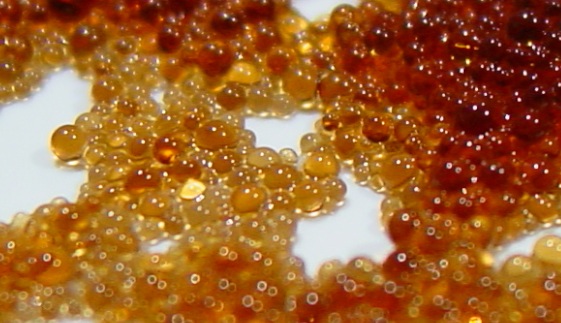
Ion exchange is a widely used method in water softening that effectively reduces hardness in water. In this process, hard water passes through a mineral tank filled with resin beads coated with sodium ions. As the hard water flows through, calcium and magnesium ions are exchanged for sodium ions, resulting in softened water that is kinder to your home and health.
Choosing the Right System
When evaluating a water softener, it is crucial to consider the model's specifications, particularly the grain capacity and flow rate. For households in Hinsdale, an ion exchange water softener with a capacity between 15,000 to 64,000 grains is typically adequate, depending on daily water usage patterns. Understanding how capacity correlates with specific household needs is key to making an informed decision.
Grain Capacity Explained
The grain capacity of a softener indicates how much hardness mineral removal it can accomplish before regeneration is necessary. This is especially relevant for residents with high water usage. The sizing of your softener should consider:
- Household Size: More occupants often mean increased water consumption, necessitating a larger grain capacity.
- Water Hardness: Knowing the hardness of local water (measured in grains per gallon) will help you determine how much resistance your softener needs to meet.
- Peak Water Usage: Consider your maximum water flow during times of high demand, such as morning showers or evening meal preparation.
Flow Rate Matters
Flow rate, usually expressed in gallons per minute (GPM), reflects how quickly a softener can deliver softened water to your plumbing system. For optimal home performance, it’s essential to ensure that the flow rate meets the simultaneous demands of your household. A unit with a higher flow rate will mitigate issues such as low pressure when multiple taps are in use.
Typical Flow Rates
Here is a simple overview of recommended flow rates based on common household demands:
| Fixture | GPM Requirement |
|---|---|
| Shower | 2.5 |
| Bathroom Faucet | 2.0 |
| Kitchen Faucet | 2.2 |
| Washing Machine | 2.5 |
| Dishwasher | 1.5 |
Maintenance Intervals and Responsibilities
Maintaining your ion exchange water softener is crucial for long-term efficiency and functionality. Regular maintenance ensures that your system remains effective at transforming hard water into soft water. Here are important considerations:
- Salt Levels: Monitor the salt levels in the brine tank. It's typically necessary to add salt every 4–6 weeks, depending on usage.
- Regeneration Cycle: Understand the regeneration settings of your unit. Manual or timer settings may need adjustments based on changing water usage patterns.
- Resin Condition: Inspect the resin beads annually for any signs of degradation, which can affect efficiency and may require replacement.
Things to Consider Before Making a Purchase
It’s essential to evaluate your specific circumstances before purchasing a water softener. Here are key factors that should guide your decision:
- Water Hardness Test: Conduct a water hardness test to gauge the mineral levels in your supply. This will help in selecting the appropriate grain capacity.
- Installation Requirements: Consider the plumbing setup of your home. Some systems may require specific configurations that a local plumber can assist with.
- Space Availability: Ensure that you have adequate space for the softener and its associated systems, including a brine tank.
Avoiding Common Mistakes
Purchasing a water softener can be a straightforward process, but it is easy to overlook critical details that might lead to suboptimal performance. Here are common pitfalls to avoid:
- Under-Sizing the Unit: Choosing a system that is too small for your needs can lead to frequent regeneration cycles and less effective softening.
- Neglecting Local Water Chemistry: Failing to account for high levels of iron or sulfur, which can affect the performance of a water softener, may result in additional problems.
- Ignoring Maintenance: Skipping regular maintenance can lead to greater repair needs and decreased efficiency.
Your Next Steps
For residents of Hinsdale seeking solutions to hard water challenges, a custom order ion exchange water softener can transform your water quality significantly. Understanding the specifications, selecting the right size, and committing to maintenance will ensure your investment pays off in improved water clarity, tastiness, and overall home efficiency. Explore the options available to craft a water treatment solution designed specifically for your household needs.
Types of Water Softeners
Several types of water softeners are available, each utilizing different technologies to address hard water issues. Understanding the various types can help you make an informed choice.
Sodium-Based Ion Exchange Softeners
Sodium-based ion exchange softeners are the most common type. They work by exchanging calcium and magnesium ions in hard water with sodium ions. This process effectively removes hardness minerals from the water, resulting in softer water for households.
Potassium-Based Ion Exchange Softeners
For those who are concerned about sodium intake, potassium-based systems serve as an alternative. Instead of using sodium, these softeners replace hardness ions with potassium ions. While they may be slightly more expensive, they provide a softer water solution without adding sodium to your supply.
Salt-Free Water Softeners
Salt-free water softeners use a different method known as template-assisted crystallization. Instead of removing hardness minerals, these systems alter their structure, preventing them from forming scale. This option is often favored by individuals who want to avoid using salt but may not be as effective in extremely hard water conditions.
Reverse Osmosis Systems
Reverse osmosis (RO) systems go beyond softening water; they filter out various impurities, including dissolved solids, contaminants, and minerals that may contribute to hardness. Although primarily used for drinking water, some households integrate RO systems with water softeners for comprehensive treatment.
Magnetic Water Softeners
Magnetic water softeners claim to reduce scale buildup through the application of magnetic fields. While the scientific community remains skeptical about their efficacy compared to traditional systems, some homeowners swear by their performance. Research and testing before purchase are essential to determine if this option meets your needs.
Understanding Water Softener Maintenance
To ensure your water softener performs efficiently and continues to deliver soft water, regular maintenance is crucial. Below are key maintenance practices to consider.
Regular Brine Tank Checks
The brine tank is essential for the ion exchange process, as it holds the salt used to recharge the resin beads. Ensure that the tank is filled with the appropriate type of salt and at the recommended levels. Regularly check for salt bridges—hardened salt formations that can hinder the regeneration process.
Cleaning the Resin Bed
Over time, the resin beads in your softener may accumulate dirt or contaminants, potentially reducing effectiveness. It's advisable to clean the resin bed periodically. Depending on the system, you may need a specific cleaning solution to restore its optimal functioning.
Inspecting the System for Leaks
Routine inspections of the water softener system for leaks or any signs of wear are essential. Look for any unusual moisture around the unit, which can indicate potential issues that may escalate if not addressed promptly.
Testing Water Softness
Conduct water tests periodically to ensure your system effectively softens water. If your water hardness levels begin to rise, this may indicate that your unit needs attention or adjustment, whether that involves adding salt, cleaning, or troubleshooting other issues.
Professional Servicing
Consider scheduling professional maintenance at least once a year. Technicians can perform in-depth assessments, replace any worn parts, and ensure that your softener operates at peak efficiency. Their expertise can help catch potential issues before they become significant problems.
Comparative Analysis of Water Softeners
When selecting a water softener, a comparative analysis can provide clarity on which system may be best suited for your household needs.
Cost vs. Long-Term Savings
The initial cost of a water softener can vary significantly based on the type, features, and installation requirements. It's essential to consider not only the upfront cost but also the long-term savings. Softened water can reduce wear and tear on plumbing fixtures and appliances, leading to lower maintenance costs and energy bills.
Capacity and Efficiency Ratings
Different models have varying capacities, generally rated in grains. Understanding the efficiency rating—how much water a unit can soften per pound of salt—can help you estimate long-term operating costs. Look for systems that offer high efficiency to maximize your investment.
Size and Model Variations
Water softeners come in various sizes and models, from compact units suitable for smaller spaces to larger systems designed for extensive households. Assessing factors, including your family size and water use, will guide you toward the most appropriate model configuration.
Energy Consumption
Some water softeners require electricity for operation, while others do not. If your preference leans towards energy efficiency, look for models that minimize energy usage while maximizing performance. Non-electric systems may offer the advantage of reduced power costs.
User Reviews and Recommendations
Before making a final decision, consult user reviews and community recommendations. Experiences shared by other homeowners can provide insights into a system's practicality, durability, and overall effectiveness. Checking reputable sources and user forums can offer a well-rounded perspective.
Environmental Considerations
As water softeners impact both water quality and the surrounding ecosystem, understanding the environmental implications is crucial.
Wastewater Impacts
Traditional salt-based water softeners discharge brine into wastewater systems, which may lead to increased salinity levels in local water bodies. It is essential to use water softeners responsibly and consider eco-friendly alternatives if concerned about environmental impact.
Minimizing Sodium Use
For those who opt for sodium-based systems, consider strategies to minimize sodium levels in wastewater. Utilizing potassium salts for regeneration, when feasible, can be an effective way to mitigate excess sodium release into the environment.
Water Conservation
While water softening systems can enhance usage, be mindful of conservation practices. Encourage habits that minimize water waste, such as fixing leaks, using water-efficient appliances, and practicing mindful water use in daily activities.
Choosing Eco-Friendly Products
Research brands and models that prioritize sustainable practices. Some manufacturers offer water softeners designed to use less salt, conserve water during regeneration, or utilize more environmentally friendly materials. Opting for these systems can establish a balance between convenience and environmental responsibility.
Community Programs
Engage with local efforts to promote sustainable water use. Many communities offer programs aimed at educating residents about water conservation and treatment, providing resources such as discounts for eco-friendly systems or tips for reducing household waste.
Comparing Different Types of Water Softeners
Salt-Based Water Softeners
Salt-based water softeners are among the most common types used in households. They operate through the ion exchange method, where calcium and magnesium ions, which cause hardness in water, are replaced with sodium ions. This process effectively softens the water but raises some concerns regarding sodium intake and environmental impact as previously discussed.
Salt-Free Water Softeners
Salt-free water softeners, such as template-assisted crystallization systems, offer an alternative approach without using sodium. These systems condition water without fully removing hardness minerals. Instead, they alter the properties of these minerals, preventing them from depositing on fixtures and appliances. This type of treatment can help extend the lifespan of plumbing systems while maintaining the natural mineral content of the water.
Reverse Osmosis Systems
Reverse osmosis (RO) systems serve a different purpose from traditional water softeners. They are primarily designed to filter out impurities, contaminants, and minerals from water, providing a fresh source of drinking water. While they do not specifically soften water, they can improve overall water quality and taste. However, it's important to note that some minerals essential for health may also be removed during the filtration process.
Installation and Maintenance of Water Softeners
Professional Installation vs. DIY
When considering the installation of a water softener, homeowners face the choice between professional installation and a do-it-yourself approach. Professional installation typically ensures that the system is set up correctly and operates as intended, minimizing potential issues down the line. DIY installation can save on upfront costs, but it requires a solid understanding of plumbing and electrical systems.
Regular Maintenance Routines
Regardless of the installation choice, regular maintenance is crucial for optimal performance. This includes checking and replenishing resin and salt levels in salt-based systems, inspecting o-rings, and cleaning filters. Regular maintenance extends the life of the system and ensures that water quality remains consistent.
Signs Your Water Softener Needs Attention
Being able to identify when your water softener requires maintenance or replacement is critical. Some signs to look for include:
- Increased hardness in water, indicating that the system is not functioning properly.
- Unpleasant tastes or odors in drinking water, which may signal an underlying issue.
- Visible residue or scaling on faucets and appliances.
- Frequent regeneration cycles that seem excessive for the household's water usage.
Understanding Water Hardness Measurement
What is Water Hardness?
Water hardness is determined primarily by the concentration of calcium and magnesium ions. The level of hardness can vary significantly depending on geographic location, water source, and local geology. Soft water has fewer dissolved minerals than hard water, which can lead to varied household experiences and outcomes.
Measurement Units for Hardness
Water hardness is typically measured in parts per million (ppm) or grains per gallon (gpg). To convert between these units, a general rule is that 1 gpg equals approximately 17.1 ppm. Knowing the hardness level of your water supply can help you determine the need for a water softener and the appropriate type for your household.
Testing Your Water Hardness
Homeowners can test water hardness through various methods. Test strips are a common, easy-to-use option that provides quick results. Alternatively, more accurate results can be obtained through water testing kits or sending a water sample to a laboratory for analysis. Regular testing, especially if water quality changes, is advisable to ensure your water softener is effective and working properly.
Exploring Water Softener Alternatives
Magnetic Water Conditioners
Magnetic water conditioners are marketed as an alternative to traditional water softeners. These systems use magnetic fields to alter the properties of hard minerals, theoretically reducing scaling and buildup. While some users report positive experiences, scientific evidence regarding their effectiveness is limited, making them a subject of debate among professionals.
Electronic Water Conditioners
Similar to magnetic systems, electronic water conditioners employ electromagnetic fields to change mineral structure. They are generally easier to install than traditional salt systems and may require less ongoing maintenance. As with magnetic systems, the efficacy of electronic conditioners can vary, so thorough research and consideration of user reviews are advisable.
Chemical Water Treatments
Certain chemical treatments, such as citric acid or polyphosphates, can be used to manage hardness in water. These treatments work by preventing scale buildup but do not remove hardness minerals. While these options can be helpful in specific situations, careful handling and accurate dosing are crucial to avoid unwanted side effects or damage to plumbing.