Sauk Centre, MN 56378 - Custom Order Ion Exchange Water Softener

$1,443.60
Autotrol 460 15,000–64,000 Grain Metered Water Softener
✓ Free shipping in the USA · ✓ 90-day returns · ✓ Secure checkout

Understanding the Water Challenges in Sauk Centre, MN
Sauk Centre, MN, is nestled in the heart of Central Minnesota, where the landscape influences the quality of the water supply. Residents in the 56378 area often notice issues related to hardness, which can affect everything from household appliances to plumbing. The mineral content of the groundwater, particularly calcium and magnesium, contributes significantly to this hardness, leading to scaling and reduced efficiency in daily activities.
Water Hardness in Sauk Centre
The hardness levels in Sauk Centre can vary, but many households report noticeable scaling in faucets and showerheads, indicating a need for water softening solutions. This hardness can lead to an array of household issues, including:
- Reduced lifespan of water-using appliances, such as dishwashers and water heaters.
- Increased detergent usage and lackluster cleaning results due to the inefficiency of soaps in hard water.
- Unpleasant skin and hair texture after bathing, often associated with mineral-laden water.
Addressing these issues involves understanding the composition of your water supply and selecting the appropriate treatment system.
Custom Order Ion Exchange Water Softeners
A customized ion exchange water softener, particularly one with a 15k to 64k grain mineral tank, is an excellent choice for Sauk Centre homeowners. This system is specifically designed to tackle typical local water hardness levels while ensuring efficient performance. The ability to adjust the system based on your household’s needs makes it an optimal solution for families of varying sizes.
Understanding the Demand Control Feature
The 460 demand control feature of these systems is particularly beneficial for Sauk Centre residents. This technology allows the softener to monitor water usage patterns and regenerate only when necessary. This not only saves salt and water but also provides a steady supply of soft water. By utilizing demand control, your system can efficiently manage its resources while catering to your household’s unique consumption habits.
Bypass Considerations
In many households, certain applications such as irrigation systems or outdoor spigots may not require treated water. The bypass feature of ion exchange water softeners enables homeowners to direct untreated water to specific areas while maintaining soft water in other household outlets. This flexibility is valuable, especially in areas where landscaping or gardens might prefer the minerals present in hard water.
Sizing Your Water Softener
Proper sizing of your water softener is crucial for efficiency and effectiveness. For residents in Sauk Centre, a unit that can handle between 15,000 and 64,000 grains is often suitable, depending on household size and water usage. A smaller family may find that a 15k grain system meets their needs, while larger households or those with high water consumption might benefit from a 64k system.
To determine the right size, consider the following factors:
- Number of occupants in the home.
- Average daily water usage.
- Local water hardness levels.
- Specific water treatment goals (e.g., minimizing scale buildup or improving taste).
Consulting with a local water treatment expert can help refine these calculations and ensure you select the appropriate system.
Maintenance Intervals
Regular maintenance is significant for the longevity and performance of your water softener. In Sauk Centre, standard recommendations include:
- Checking the salt levels every month and replenishing as needed, ensuring optimal ion exchange performance.
- Inspecting the system at least once a year for any signs of wear or leaks, which can prevent significant issues down the line.
- Cleaning the brine tank annually to avoid buildup of sediment or impurities that could interfere with regeneration.
By establishing a regular maintenance schedule, homeowners can prolong the life of their system and ensure that they consistently enjoy the benefits of softened water.
Installation Considerations for Your Water Softener
When planning the installation of your ion exchange water softener in Sauk Centre, a few key considerations should be addressed:
- Location: Ideally, the softener should be installed near the main water supply line for seamless integration into your plumbing system.
- Space: Ensure you have adequate space for the unit, accounting for the mineral tank and brine tank, as well as easy access for maintenance.
- Drain Access: The system will require a drain for wastewater during regeneration cycles, which must be considered during installation planning.
Hiring a professional installer can help navigate these logistical concerns, ensuring that your system operates efficiently from the outset.
The Importance of Local Knowledge
Choosing a water softener is more than just picking a product; it involves understanding your water supply and local conditions. Residents of Sauk Centre, MN, can benefit from customized solutions that address their specific water quality issues. By considering local water chemistry, entering the right specifications for your household needs, and establishing an effective maintenance routine, you can significantly improve your water quality and protect your home’s plumbing and appliances.
Conclusion
Investing in a custom order ion exchange water softener with a 460 demand control functionality and bypass option will provide Sauk Centre residents with a practical solution to hard water problems. With proper sizing, installation, and maintenance, you can explore the long-term benefits of softened water. By understanding the specific needs of your household and consulting with local experts, you’ll be well-equipped to make an informed decision that enhances your home’s water quality.
Understanding Water Softener Technology
Water softening technology has advanced significantly over the years, leading to a variety of options available to homeowners. Understanding these technologies can help you make an informed choice about which system is best suited for your needs. Here are some of the prominent technologies used in water softeners today:
Ionic Exchange Systems
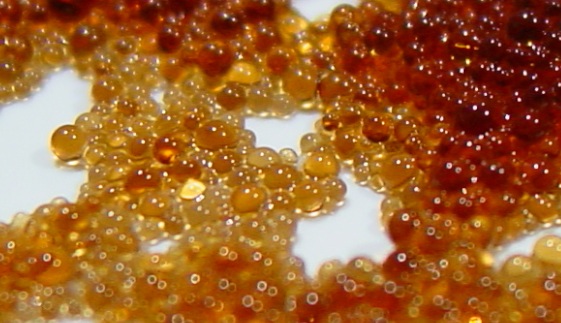
The ionic exchange process is the most common technology found in residential water softeners. In this system, hard water passes through resin beads that are charged with sodium ions. As the hard water flows through, calcium and magnesium ions, which contribute to hardness, are exchanged for sodium ions, resulting in softened water. This method effectively addresses the water hardness issue but requires periodic regeneration to maintain its efficiency.
Salt-Free Water Conditioners
Salt-free water conditioners utilize a different approach to tackle hard water. Instead of removing calcium and magnesium ions, these systems alter the structure of the minerals, preventing them from depositing onto surfaces and appliances. They do not require a salt tank or regeneration cycle, making them a low-maintenance alternative. While they may not technically soften water, they help in reducing scaling and improve the overall quality of water.
Reverse Osmosis Systems
Reverse osmosis (RO) systems are primarily used for drinking water purification but can also play a role in water softening. This technology uses a semi-permeable membrane to remove impurities and contaminants from water. While RO systems can remove many dissolved minerals, they do not directly address hard water issues like calcium and magnesium. Often, a combination of RO and ion exchange systems is used to achieve optimal water quality in homes.
Water Softener Maintenance
Proper maintenance of your water softener is crucial for ensuring its longevity and effectiveness. Here are several key maintenance tips to follow:
Regular Salt Levels Check
For salt-based systems, regularly monitoring salt levels in the brine tank is essential. It's recommended to check the levels at least once a month. If you notice that the salt is low, refill it with the appropriate type of water softener salt to avoid operational issues. If your system runs out of salt, it can lead to ineffective water softening and may require a complete regeneration cycle to restore its function.
Cleaning the Resin Tank
The resin tank can build up contaminants over time, which affects the performance of the softening process. Periodic cleaning, typically recommended every one to two years, helps remove iron and other deposits that may interfere with the ion exchange process. Follow your manufacturer’s guidelines for cleaning solutions and techniques appropriate for your model.
Inspecting the System Regularly
Performing regular inspections of your water softener can catch potential problems early. Look for signs of leaks, corrosion, or unusual noises coming from the unit. Keeping a maintenance log helps track service dates and any irregularities. If you notice persistent issues, contacting a professional can prevent more extensive repairs down the line.
Environmental Considerations
As water softeners impact the environment, it’s essential to consider their ecological footprint. Here are some environmental aspects associated with water softeners:
Water Waste During Regeneration
Many conventional water softeners generate wastewater during the regeneration process. Understanding how much water is used during this cycle can help homeowners make more informed decisions. Some modern systems have reduced this waste significantly. It's beneficial to opt for a model that features efficient regeneration cycles to minimize water usage.
Sodium and Chloride Discharge
The discharge from water softeners often contains elevated levels of sodium and chloride, which can pose risks to local ecosystems if they enter groundwater or streams. Some municipalities have regulations regarding sodium discharge, prompting residents to consider alternatives such as salt-free systems. If you’re concerned about environmental impact, look for systems that offer low-sodium solutions or other eco-friendly technologies.
Market Trends in Water Softening Systems
The water softener market is evolving, influenced by changing consumer preferences and technological advancements. Here are some trends shaping the industry:
Smart Water Softening Technologies
Advancements in smart technology have led to the development of smart water softeners that can be operated via smartphones or home automation systems. These devices monitor water usage, notify homeowners of issues, and provide performance data. With remote access, homeowners can manage their systems more effectively and receive alerts when maintenance is required.
Increased Demand for Eco-Friendly Solutions
As consumers become more environmentally conscious, there has been a rising demand for eco-friendly water softening solutions. Systems that minimize water waste, use less salt, and reduce chemical discharges are increasingly popular. Manufacturers are responding by designing products that meet these needs, showcasing an eco-conscious approach to water treatment.
Customizable Solutions
Different households have varying water quality needs, enhancing the trend toward customizable water softening solutions. Some companies now offer modular systems that allow users to add components based on specific requirements, such as filtration or pH balancing, creating a tailored solution for each home. This flexibility is appealing to homeowners seeking effective, personalized water quality management.
Residential vs. Commercial Water Softening
While both residential and commercial water softening systems tackle hard water issues, they differ significantly in design, capacity, and application. Understanding these differences can help businesses make informed choices:
Capacity and Size
Commercial water softeners are typically larger and have a higher capacity than residential units. They are designed to handle higher volumes of water usage, making them suitable for industries such as restaurants, hotels, and manufacturing facilities. Conversely, residential systems are sized to meet household water demands and are generally more compact.
Complexity of Systems
Commercial systems often require more complex configurations to accommodate varying water demands throughout the day. They may need additional features such as dual-tank configurations or integrated filtration systems to maintain consistent water quality. Residential systems tend to be more straightforward, designed for ease of use and installation.
Regulatory Compliance
In commercial settings, water softeners must often comply with specific regulatory requirements regarding environmental discharge and water treatment. Businesses may need to work closely with water treatment specialists to ensure compliance, while homeowners typically have fewer regulatory concerns, focusing more on personal preferences and efficiency.
Water Softening Technologies: Innovations and Advancements
The water treatment industry is constantly evolving, bringing new technologies and innovations to the forefront of water softening solutions. These advancements not only improve efficiency but also enhance the overall effectiveness of water softening systems. In this section, we will explore several cutting-edge technologies that are shaping the future of water softening.
Smart Technology Integration
As smart home technology continues to gain popularity, water softening systems are becoming increasingly integrated with smart technology. This integration provides homeowners with greater control over their water quality management.
- Remote Monitoring: Many modern water softeners now include sensors and Wi-Fi connectivity that enable remote monitoring through smartphone applications. Homeowners can track water usage, system performance, and even receive alerts for maintenance needs.
- Automated Regeneration: Smart water softeners can automatically adjust their regeneration cycles based on actual water usage, optimizing salt and water consumption.
- Data Analytics: By collecting data over time, these systems can provide insights into water quality trends, enabling proactive management and preventing issues before they arise.
Alternative Softening Methods
While traditional ion exchange systems remain popular, alternative methods of water softening are gaining traction. These methods cater to specific needs and preferences, offering varied benefits.
- Template Assisted Crystallization (TAC): This method involves using a media that promotes crystallization of hardness minerals, preventing them from forming scale. TAC systems typically do not require salt and are considered more environmentally friendly.
- Electromagnetic Water Conditioners: These devices use electromagnetic fields to alter the characteristics of mineral ions in water. The goal is to reduce scaling and improve water flow without the need for chemical treatments.
- Polyphosphate Treatment: This approach involves adding polyphosphates to the water, which sequester calcium and magnesium ions, effectively preventing them from precipitating and causing hardness. This method is often used in conjunction with other water treatment systems.
Environmental Considerations
As concerns about environmental sustainability grow, water softening systems are increasingly designed with eco-friendliness in mind. Manufacturers are focusing on reducing water waste, energy consumption, and the environmental impact of materials used in their products.
- Water Efficiency: Modern water softeners are designed to use less water during regeneration processes, which is particularly important in areas facing water scarcity.
- Salt Alternatives: Some systems offer alternatives to traditional salt, reducing the environmental impact. For example, potassium chloride is often used as a salt substitute and is less harmful to plants and aquatic life.
- Recyclable Materials: Manufacturers are increasingly using recyclable materials in the production of water softening systems, minimizing waste and supporting a circular economy.
Importance of System Maintenance
Regular maintenance is crucial for the effective operation of water softeners. Understanding the maintenance requirements helps ensure that systems function optimally and last longer, providing reliable water quality management.
- Routine Checks: Homeowners should perform regular checks on their systems to ensure there are no leaks, clogs, or other mechanical issues. Regular inspections can catch small problems before they escalate.
- Salt Levels: For traditional ion exchange systems, checking and replenishing salt levels is essential for optimal performance. Low salt levels can lead to inefficient softening and potential damage to the system.
- Media Replacement: The resin or media used in a water softener may need to be replaced periodically depending on the type of system. Monitoring its condition will help in timely replacements, ensuring consistent performance.
Understanding Water Hardness Levels
Water hardness can vary significantly depending on geographic location and source. Understanding local water hardness levels is essential for selecting the right water softening solution.
- Testing Water Hardness: Homeowners should ideally test their water for hardness to understand the level of calcium and magnesium present. Testing kits are available, or services can be hired for comprehensive water analysis.
The Role of Professional Installation and Support
While many water softening systems are designed for DIY installation, professional installation can offer several advantages. Engaging a qualified technician ensures that the system is installed correctly and operates efficiently.
- Expertise and Experience: Professional installers bring knowledge and experience to the table, making them adept at tackling potential installation challenges.
- Optimal Sizing: Technicians can provide advice on sizing and selecting the right unit for specific household needs, avoiding common pitfalls associated with incorrect sizing.
- Post-Installation Support: Many professionals offer ongoing maintenance and support packages, providing peace of mind and ensuring long-term satisfaction with the system.
Future Trends in Water Softening
The future of water softening looks bright, with several trends poised to shape the industry. Understanding these trends helps consumers make informed decisions about their water quality management.
- Increased Customization: As consumer preferences become more refined, manufacturers are likely to offer even more customizable options in their products, allowing for tailored solutions that meet specific water needs.
- Integration with Other Home Systems: Water softeners may increasingly be integrated with other home systems, such as heating or plumbing systems, for streamlined management of home resources.
- Focus on Health Benefits: With a growing emphasis on health and wellness, water softening systems that provide additional filtration for contaminants may gain popularity, appealing to health-conscious consumers.