
Ion Exchange Water Softener - Argentina

$1,443.60
Autotrol 460 15,000–64,000 Grain Metered Water Softener
✓ Free shipping in the USA · ✓ 90-day returns · ✓ Secure checkout

Understanding Ion Exchange Water Softeners in Argentina
In Argentina, many households experience issues with hard water that can lead to a range of problems. The water in various regions, particularly in urban centers, often contains elevated levels of calcium and magnesium. This results in hard water, which is not only tough on plumbing and appliances but can also affect the quality of laundry and skin care. To combat these challenges, installing an ion exchange water softener can significantly improve water quality.
What Is an Ion Exchange Water Softener?
An ion exchange water softener is a system designed to remove hardness minerals from water. It operates by exchanging harmful ions, such as calcium and magnesium, with more benign ions, typically sodium or potassium. The model featuring a 15,000 to 64,000 grain mineral tank with demand control and a bypass feature is particularly suited for households with varying water usage patterns.
Analyzing Local Water Chemistry
In many parts of Argentina, the water supply is influenced by the geological composition of the surrounding area. The hard water characteristics can fluctuate depending on the local aquifers from which the water is sourced. Homeowners may notice manifests of hard water such as scale buildup on faucets and appliances, reduced soap lathering, and notice skin irritation after showering. Understanding these specific issues is essential for selecting the right water treatment solution.
Selecting the Right Size
Choosing the appropriate size for your ion exchange water softener is crucial for optimal performance. Systems ranging from 15,000 to 64,000 grains are designed to handle different household demands. A family of four with average water usage may benefit from a 40,000 grain system, while larger households may require 64,000 grains to ensure sustainability during peak water usage. Assessing your daily water consumption is a good starting point for determining the correct size.
Operational Features: Demand Control
The demand control feature is a significant advantage, allowing the system to regenerate based on actual water usage rather than a predetermined schedule. This not only saves on salt and water but also optimizes the regeneration cycle, making it more efficient. As a homeowner, you will appreciate how this automation simplifies maintenance and helps manage resource usage effectively.
Bypass Valve Benefits
The bypass feature present in many ion exchange water softeners allows homeowners to conveniently switch off the softener when necessary. This is particularly useful for outdoor water use, such as watering gardens or filling a pool, where softened water may not be essential. Having this flexibility can also extend the life of the softener by reducing unnecessary cycling during periods of non-use.
Maintenance Considerations
Maintaining an ion exchange water softener is relatively straightforward, which is a significant advantage for busy homeowners. Regular checks should include monitoring the salt levels and inspecting the resin bed for signs of wear. Depending on the water hardness and consumption, resin cleaning might be needed every 3 to 5 years. Moreover, replacing the salt can usually be done every few months depending on usage.
- Check salt levels monthly.
- Inspect the resin every 3-5 years.
- Clean the brine tank periodically.
Installation Considerations
Installing an ion exchange water softener requires careful planning. It is recommended that a professional evaluates your plumbing system to determine the most effective installation point, often near the main water entry. Ensuring that the selected location has access to electric outlets for the control system and adequate drainage for the backwash process is also crucial.
Homeowners should also consider the proximity to salt storage, as frequent refilling may be necessary. Space requirements must be accounted for, as the unit needs space for brine tank addition and maintenance access.
Long-Term Advantages
The initial investment in an ion exchange water softener can yield long-term benefits that extend beyond just improved water quality. Softened water can lead to significant savings on energy bills by enhancing the efficiency of water heaters and reducing the wear and tear on plumbing fixtures and appliances. Additionally, household cleaning solutions will work more effectively, leading to clearer dishes and brighter laundry.
Making the Decision
Deciding to invest in an ion exchange water softener is a proactive step towards enhancing your home environment. Consider your family needs, daily water consumption, and the local water quality issues in your region. By addressing hard water challenges with a dependable system, you'll experience improved water quality that enhances daily living.
In summary, an ion exchange water softener represents a strategic solution to the hard water problems commonly faced in Argentina. Through precise sizing, smart features like demand control and bypass, straightforward maintenance, and thoughtful installation, these systems pave the way for a more comfortable and enjoyable home experience.
Understanding Hard Water and Its Impact
Before addressing solutions like ion exchange water softeners, it's essential to understand what hard water is and how it affects various aspects of daily living. Hard water is typically characterized by high concentrations of minerals, primarily calcium and magnesium. These minerals originate from geological formations as water travels through soil and rock layers and can significantly impact households.
The Chemistry of Hard Water
The hardness of water is commonly measured in milligrams per liter (mg/L) or parts per million (ppm) of calcium carbonate (CaCO3). Water is considered hard when it contains more than 60 mg/L of calcium carbonate, with varying degrees classified as moderately hard, hard, and very hard. The chemical interactions between hard minerals and soap or cleaning agents frequently lead to the formation of soap scum, which can reduce the efficiency of cleaning products.
Effects on Household Appliances
Hard water can take a toll on household appliances that use water. Over time, mineral deposits can accumulate in pipes, heating elements, and appliances such as dishwashers, washing machines, and water heaters. This buildup not only diminishes the efficiency of these appliances but also shortens their lifespan, resulting in costly replacements or repairs.
Common Signs of Hard Water
Identifying hard water in your home can be straightforward if you know what to look for. Here are some common signs that may indicate the presence of hard water:
- Soap Scum: Residues on sinks, bathtubs, and shower doors often result from soap reacting with minerals in hard water.
- Dry Skin and Hair: Hard water can lead to skin irritation or dryness and hair that feels dull and lifeless.
- Stained Fixtures: Discoloration around faucets, drains, and dishware can be a telltale sign of hard water.
- Frequent Plumbing Issues: Regular clogging or leaks often originate from calcium and magnesium buildup within pipes.
- Reduced Appliance Performance: Appliances that require water for operation may underperform or break down due to mineral buildup.
Alternative Water Treatment Options
While ion exchange systems are a popular choice for softening hard water, several alternatives can also be considered depending on specific needs and circumstances.
Reverse Osmosis Systems
Reverse osmosis (RO) systems utilize a semi-permeable membrane to remove impurities from water. Although primarily used for drinking water purification, these systems can also help reduce hardness. However, they may not be the most practical solution for whole-house treatment due to their slow flow rates and the need for regular filter replacements.
Salt-Free Water Softeners
These systems do not remove minerals from water but instead use a process called Template Assisted Crystallization (TAC) to alter the structure of hardness minerals. This technology prevents mineral buildup on surfaces, though it may not be as effective as traditional ion exchange units in completely softening water.
Magnetic Water Conditioners
Magnetic water conditioners claim to alter the properties of mineral compounds through the application of magnetic fields, intending to reduce scaling. While some users report positive results, scientific backing for their effectiveness remains limited, and further research is necessary to validate these claims.
Water Softener Maintenance
Regular maintenance of your water softening system is crucial to ensure optimal performance and longevity. Adhering to a simple maintenance schedule can help prevent potential problems and ensure consistent water quality.
Salt Level Monitoring
For ion exchange water softeners, frequent monitoring of the salt level in the brine tank is essential. Keeping the tank adequately filled will guarantee that the regeneration process proceeds smoothly. It is advisable to check the salt level at least once a month, especially during periods of high water usage.
Resin Bed Cleaning
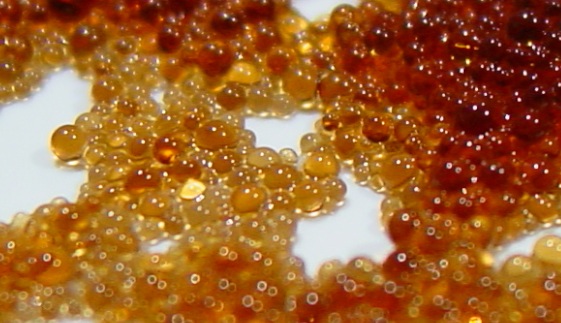
Over time, the resin beads in the water softener can become fouled with contaminants. Regular cleaning or replacement of the resin bed may be necessary based on usage and local water quality. Most systems recommend replacing the resin every 5 to 10 years, depending on the quality of the water being treated.
Control System Maintenance
The control panel of your water softener should be checked periodically to ensure it is functioning correctly. Look for error codes or alerts that might indicate a malfunction. Cleaning the control panel and ensuring that all connections are secure can prevent unexpected breakdowns.
Environmental Considerations
As society becomes increasingly aware of environmental concerns, it’s vital to acknowledge the ecological impact of water softening systems. Ion exchange units rely on salt, and excessive salt discharge can pose a risk to the environment, particularly in water-sensitive areas.
Responsible Salt Use
Utilizing the appropriate amount of salt in your water softener based on local water-hardness levels is crucial. Excessive usage can lead to increased salinity in wastewater, impacting local water bodies and ecosystems. It is wise to consult local regulations regarding salt discharge to adhere to best practices.
Water Conservation
Incorporating water conservation strategies alongside the use of a water softener can significantly reduce overall water usage. Simple practices, like fixing leaks, using efficient fixtures, and collecting rainwater, contribute to responsible water management while enhancing the softening process.
Future of Water Softening Technology
The landscape of water treatment technology continues to evolve, promising advancements in efficiency, sustainability, and effectiveness in addressing hard water challenges. Innovative methods focused on minimizing environmental impact, improving efficiency, and harnessing renewable energy are on the horizon.
Smart Water Softening Solutions
Emerging smart water softeners feature advanced monitoring capabilities, allowing homeowners to track water usage and system performance through apps. These systems optimize salt and water usage, potentially reducing operational costs and environmental impacts.
Eco-Friendly Innovations
Research into eco-friendly alternatives to traditional ion exchange processes is gaining traction. As technologies like solar power become more integrated into everyday solutions, expect greater emphasis on sustainability in water treatment methods.
Conclusion
Addressing hard water challenges requires understanding the underlying issues, available solutions, and maintaining an effective system. By exploring options like ion exchange water softeners, considering alternative technologies, and implementing proper maintenance practices, homeowners can enhance water quality while promoting environmental responsibility. The future of water treatment holds the potential for innovations that not only improve the durability of homes but also contribute positively to our natural resources.
Alternative Water Softening Methods
While ion exchange technology is widely recognized, various alternative water softening methods present unique advantages and can cater to diverse needs. Exploring these methods can help homeowners identify the most suitable approach for their specific water quality issues.
Template-Based Water Conditioners
These devices claim to modify the properties of minerals in hard water without removing them. Utilizing templates or crystals, they alter how calcium and magnesium react in water, preventing scale buildup in pipes and appliances. While effectiveness can vary, many users report success in reducing scaling and improving soap efficiency.
Magnetic Water Conditioners
Magnetic water conditioning systems use magnets to create a magnetic field that affects mineral molecules in water. Advocates claim that this process prevents scale from adhering to surfaces, thus reducing buildup. These systems are easy to install and require little maintenance, appealing to eco-conscious homeowners looking to reduce their carbon footprint through lower energy consumption.
Electromagnetic Water Treatment
This method employs electromagnetism to treat hard water, aiming to change the characteristics of the minerals. By applying electrical currents, it is believed that the minerals are altered in such a way that they do not precipitate as scale. Though still subject to debate regarding their effectiveness, electromagnetic systems offer a more modern approach to water treatment.
The Importance of Regular Maintenance
Even the best water softeners require consistent maintenance to achieve optimal performance. Regular checks and cleaning can extend the life of the system while ensuring high water quality.
Cleaning the Resin Bed
Many water softeners rely on a resin bed to exchange hardness ions for sodium or potassium. Over time, this resin can become clogged with contaminants. Regularly flushing the resin bed and keeping it clean ensures effective ion exchange, maintaining system efficiency and performance.
Salt Level Monitoring
For traditional ion exchange systems, maintaining the correct salt level is crucial. Regularly checking and replenishing salt can prevent the system from running inefficiently. An automatic salt level monitoring feature can simplify this task, alerting homeowners when it's time to add more salt.
Inspecting Valves and Seals
Valves and seals in water softening systems can wear out over time, leading to leaks and inefficiencies. Conducting routine inspections of these components helps identify issues early, preventing possible water damage and ensuring the system runs smoothly.
Understanding Water Hardness Measurement
To effectively address hard water issues, it's essential to understand how water hardness is measured and what those measurements indicate about your water quality.
Hardness Units
Testing Water Hardness
There are several methods to test water hardness. Homeowners can utilize test strips, which provide a quick visual indication of hardness levels. Alternatively, more precise measurements can be obtained through water testing kits or by sending samples to a laboratory for comprehensive analysis.
The Role of pH in Water Quality
The pH level of water, which indicates its acidity or alkalinity, also significantly affects water quality and treatment efficacy. Understanding pH can enhance the effectiveness of water softening and overall water management.
Influence of pH on Hard Water
Hard water often has a higher pH, which can exacerbate scaling issues in pipes and appliances. By monitoring and adjusting pH levels, homeowners can improve the effectiveness of their water softening systems. Ideally, water pH should range between 6.5 and 8.5 for optimal performance and minimal corrosiveness.
Adjusting pH Levels
If water tests show an undesirable pH level, homeowners may need to employ treatments like acid injection systems or soda ash injection to bring pH within a more acceptable range. Consulting with a water quality professional can provide tailored solutions based on specific water conditions.
Health Considerations with Water Softening
While water softening primarily focuses on improving water quality for home use, it is essential to address potential health considerations related to softened water.
Sodium Content and Health
Ion exchange softeners typically replace hardness ions with sodium, which can increase the sodium content of drinking water. For individuals on low-sodium diets, this can be a concern. Homeowners can consider installing a separate reverse osmosis system specifically for drinking and cooking water to mitigate this issue.
Potential Mineral Deficiencies
Some studies suggest that the removal of certain minerals during the softening process could lead to deficiencies. For instance, calcium and magnesium, essential for health, are often reduced in softened water. Understanding individual dietary needs can help homeowners maintain balanced mineral intake through supplements or dietary adjustments.
Supporting Local Water Initiatives
Engaging with local water conservation initiatives can have a ripple effect, encouraging community involvement in responsible water usage and management practices.
Community Education Programs
Many municipalities and organizations offer educational programs to inform residents about the importance of managing water resources effectively. Participating in these programs can broaden understanding of local water issues and foster a culture of conservation.
Participating in Water Quality Testing Events
Some communities host water quality testing events, allowing residents to test their water and learn about ways to improve it. Contributing to such initiatives not only enhances personal water quality but also strengthens community ties and encourages collaborative problem-solving to address regional issues.
Concluding Thoughts on Sustainable Water Practices
As the world faces increasing water scarcity and quality challenges, adopting sustainable water practices is more crucial than ever. By integrating efficient water softening solutions, prioritizing maintenance, addressing health impacts, and staying informed, homeowners can contribute to a responsible and sustainable approach to water management.
Related