
Ion Exchange Water Softener - Barbados

$1,443.60
Autotrol 460 15,000–64,000 Grain Metered Water Softener
✓ Free shipping in the USA · ✓ 90-day returns · ✓ Secure checkout

Ion Exchange Water Softener for Barbados Homes
In Barbados, many households grapple with the effects of hard water, which can leave stubborn mineral deposits on fixtures, dull laundry, and dry skin. The high levels of calcium and magnesium in the region's groundwater can be a nuisance for daily activities, making a reliable water softener an essential addition to your home. The 15k 64k grain mineral tank with 460 demand control and bypass features addresses these issues effectively.
Understanding Local Water Chemistry
The geology of Barbados contributes significantly to the water quality challenges residents face. The primary source of drinking water is often groundwater, which flows through limestone and coral formations. This natural filtering can increase levels of hardness minerals, primarily calcium and magnesium, leading to water that is classified as hard or very hard. This high mineral content can be detrimental to appliances, leading to scale buildup that reduces efficiency and lifespan.
The specific hardness in your water supply can vary throughout the island. While exact measurements can differ based on location, residents typically find that their water exhibits mineral levels that warrant attention. Investing in an ion exchange water softener can result in noticeable improvements in water quality, efficiently reducing hardness while protecting your plumbing and appliances.
Choosing the Right Size Softener
When contemplating a water softener for your home, sizing is critical to ensure optimal performance. The 15k 64k grain mineral tank is engineered to handle typical household needs, effectively managing water hardness in an average family home. Sizing your unit correctly will depend on your specific water usage and hardness levels.
- Household Size: Consider the number of occupants and their water usage habits. Larger families will naturally require a system that can handle increased demand.
- Water Hardness Level: Understanding how hard your water is can influence the capacity you need. Conduct a basic hardness test to establish baseline levels.
- Daily Water Usage: On average, a family of four uses around 300 gallons of water per day, which can help guide your selection.
By assessing these factors, you can make an informed decision about whether the 15k capacity is sufficient for your household or if additional capacity is warranted, especially during peak usage times.
Demand Control Features
The 460 demand control feature offered with your softener optimizes the ion exchange process, ensuring that you only regenerate the resin bed when necessary. This intelligent system adapts to your household's real-time water usage, conserving salt and water. The efficiency of the demand control feature allows the softener to regenerate during low usage periods, minimizing disruptions and maximizing the lifespan of your system.
Maintenance Considerations
Ongoing maintenance is a vital aspect of water softening equipment, ensuring it continues to operate effectively for years to come. The 15k 64k grain system is designed for straightforward service. Here are some maintenance tips to keep your system in top shape:
- Salt Level Checks: Regularly inspect the brine tank to ensure an adequate supply of salt is maintained. Low salt can hinder regeneration and efficiency.
- Filter Changes: Depending on your water source and usage, consider replacing filters periodically to keep the system performing optimally.
- Inspect for Leaks: Frequently check the unit’s connections and valves for any signs of leaks to prevent future water wastage.
By adhering to these maintenance tasks, you can prolong the life of your water softener, ensuring that your home continues to benefit from softened water.
Installation Considerations
Installing your ion exchange water softener is a critical step that can influence its performance and longevity. Proper placement and connection to your plumbing system are paramount. Some things to consider during installation include:
- Location: Choose a location that allows easy access for maintenance. A dry, clean area close to the main water supply line and drainage is ideal.
- Plumbing Compatibility: Ensure that your plumbing configurations (pipes, fittings) are compatible with the softener to facilitate a smooth installation process.
- Electrical Requirements: Check that you have suitable power sources nearby to support the softener's electronic demand control features.
Hiring a qualified technician for the installation can ensure that all aspects are handled correctly, providing peace of mind and reliability in your water treatment system.
Benefits for Barbados Homeowners
The transition to using an ion exchange water softener like the 15k 64k grain system comes with numerous advantages for your home and lifestyle. Not only does it tackle the immediate challenges posed by hard water, but it also promotes overall water quality, benefiting everything from your showers to the longevity of plumbing fixtures.
- Improved Appliance Efficiency: Softened water can enhance the efficiency of appliances like dishwashers and washing machines, reducing energy costs.
- Enhanced Skin and Hair Health: Softer water is gentler on skin and hair, reducing dryness and irritation.
- Longer Lifespan for Plumbing: Reducing mineral buildup can help prevent clogs and prolong the life of your plumbing system.
For Barbadian homeowners, a quality water softener is more than a luxury; it's a practical investment in comfort and efficiency. You will quickly notice the benefits in both your daily routine and long-term household maintenance.
Final Thoughts
Choosing the right ion exchange water softener like the 15k 64k grain mineral tank with demand control can greatly enhance your water quality at home. By understanding local water conditions, proper sizing, efficient features, and maintenance considerations, you can make a decision that not only addresses hard water issues but also improves your family’s daily life. With the right system in place, you can look forward to a future of cleaner, softer water throughout your home.
Understanding Water Hardness
Water hardness is primarily measured by the concentration of calcium and magnesium ions present in the water. These minerals enter groundwater supplies through the natural weathering of rocks and soil. The hardness level of water can vary significantly based on geographical location, leading to areas classified as soft, moderately hard, hard, or very hard. Understanding the hardness of your water is vital for determining the appropriate water softening solution.
Classes of Water Hardness
- Soft Water: Contains less than 60 mg/L of calcium carbonate. Soft water does not produce significant scale buildup and is generally considered optimal for most household uses.
- Moderately Hard Water: Ranges from 61 to 120 mg/L. While still manageable, this level may begin to cause some scaling in pipes and appliances over time.
Testing Water Hardness
Before deciding on a water softening system, testing the hardness of your water is critical. Testing can be done using several methods, from simple DIY kits to professional water analysis services.
Methods of Testing Water Hardness
- Water Hardness Test Kits: These kits are readily available in stores and online. They often employ a titration method with color-coded results that indicate hardness levels.
- Professional Testing Services: Contacting a local water quality lab provides comprehensive analysis. They can not only measure hardness but also provide insight into other water quality parameters.
- Soap Test: A simple method where you mix a small sample of water with liquid soap. If a lather forms quickly, the water is likely soft. If it takes a while or no lather forms, the water is hard.
The Science Behind Ion Exchange
The ion exchange process in water softeners occurs when hard water passes through a resin bed filled with sodium ions. During this process, calcium and magnesium ions are exchanged for sodium ions, effectively reducing hardness. Understanding the science behind this can help you appreciate the mechanics at work in your water treatment system.
How Ion Exchange Works
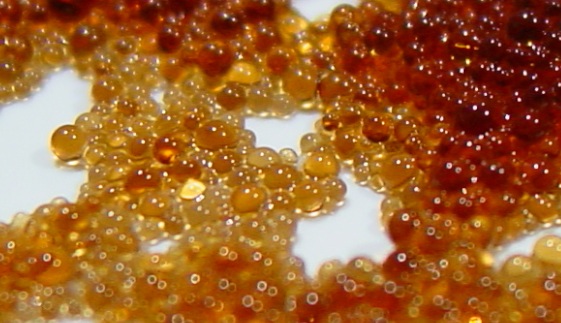
- Resin Beads: The heart of the softening process is the resin beads, typically made of polystyrene, which are charged with sodium ions.
- Exchange Process: As hard water travels through the resin, calcium and magnesium ions attach to the beads in exchange for sodium ions, which are released into the water.
- Regeneration: Over time, the resin beads become saturated with hardness minerals and need to be regenerated. This is done by flushing the resin with a brine solution, replenishing the sodium ions.
Choosing the Right Salt Type
The type of salt you use in your water softener can influence its performance and efficiency. Various salt options are available, each with its advantages. It's vital to select the right kind for your system to ensure smooth operation and optimal results.
Types of Water Softener Salt
- Rock Salt: The least expensive option, rock salt is unrefined and contains impurities. It's suitable for traditional systems but may lead to maintenance issues due to residue build-up.
- Solar Salt: Created through evaporative processes, solar salt is more refined than rock salt, minimizing impurities. It dissolves easily and is suitable for most softeners.
- Tablet Salt: Highly refined and specifically designed for water softeners, tablet salt dissolves evenly and reduces bridging and mushing problems.
- Pellet Salt: Similar to tablet salt, pellets are designed to minimize the risk of build-up and are efficient in maintaining a softening system.
Environmental Considerations
As concerns about water quality and sustainability grow, it's essential to consider the environmental impact of water softeners. Understanding these factors can help homeowners make more responsible choices regarding water treatment systems.
Impact of Salt Usage
- Sodium Levels: The regeneration process adds sodium to wastewater, which can affect local ecosystems when released into bodies of water, particularly in areas with restricted water movement.
- Disposal of Brine: Some regions have regulations limiting the amount of sodium chloride that can be discharged into local waterways. Homeowners should be aware and comply with local laws regarding wastewater discharge.
- Green Alternatives: Advances in technology have led to eco-friendly water softening options, such as systems utilizing potassium chloride or salt-free alternatives that prevent mineral buildup without traditional ion exchange.
Long-Term Maintenance and Troubleshooting
Maintaining your water softener is crucial for ensuring it remains efficient and effective over time. Regular maintenance prevents issues that can lead to costly repairs or replacements.
Routine Maintenance Tasks
- Salt Level Checks: Regularly check the salt level in the brine tank. A low salt level can hinder the regeneration process and overall system effectiveness.
- Resin Cleaning: Periodically clean the resin beads to remove impurities and buildup that can reduce ion exchange efficiency.
- System Inspections: Schedule annual inspections with a qualified technician to identify potential issues before they escalate.
Common Issues and Solutions
While water softening systems are generally reliable, issues can arise. Familiarizing yourself with common problems and their solutions can save you time and money.
Typical Problems
- Hard Water Spots: Persistent hard water spots may indicate resin failure or low salt levels. Checking both can often resolve this issue.
- Brine Odor: A foul smell from the brine tank may indicate bacterial growth. Regularly cleaning the tank and adding a small amount of bleach can help eliminate this issue.
- System Leaks: Leaks often stem from loose connections or worn-out seals. Inspecting fittings and replacing seals as needed can prevent further water damage.
Conclusion
Understanding the various aspects of water hardness, ion exchange technology, maintenance practices, and environmental concerns can help homeowners make informed decisions regarding their water softening needs. By investing time in understanding your system and its requirements, you ensure a continual supply of soft water that contributes to a comfortable and efficient home environment.
Alternative Water Softening Methods
In addition to traditional ion exchange systems, several alternative methods exist for softening water. These methods can vary significantly in their approach and effectiveness, often depending on the specific water quality needs and geographic considerations.
Magnetic Water Conditioners
Magnetic water conditioners claim to alter the properties of hard water through the application of magnetic fields. These devices are typically installed on the main water line and do not require the addition of salt. Proponents assert that the magnets cause minerals to lose their ability to form scale, thereby preventing buildup in pipes and appliances.
- Pros: No salt required, minimal maintenance, and eco-friendly.
- Cons: Efficacy is debated, and may not provide the same level of softening as traditional methods.
Citation Among Alternative Methods
Some other methods worth mentioning include the use of chelation agents, which bind to hardness minerals but may not fully soften the water, and the use of reverse osmosis systems. While these systems can effectively reduce mineral content, they may be best suited for specific applications like drinking water rather than whole house solutions.
Understanding Water Hardness Levels
Types of Water Hardness
Water hardness is often classified into two categories: temporary and permanent hardness. Understanding these distinctions can help in selecting the appropriate treatment method.
- Temporary Hardness: Caused primarily by dissolved calcium bicarbonate. This type can be removed by boiling the water, which decomposes the bicarbonate into carbonate, precipitating the hardness.
- Permanenet Hardness: Resulting from chlorides and sulfates of calcium, magnesium, or other minerals, this hardness requires ion exchange or other treatment methods to be effectively removed.
Testing Water Hardness
Assessing the hardness of water is vital for understanding its composition and for deciding on an appropriate treatment system. Home testing kits are available to measure hardness levels, typically expressed in parts per million (ppm) or grains per gallon (gpg).
- Test Kits: Simple to use, most test kits provide a color-coded chart for quick interpretation.
- Laboratory Testing: For precise measurements, sending a water sample to a certified laboratory can provide a comprehensive analysis of hardness and other water quality indicators.
Impact of Water Hardness on Household Items
Appliances and Fixtures
Hard water can significantly affect the lifespan and efficiency of household appliances. Minerals can accumulate in dishwashers, washing machines, and water heaters, leading to decreased efficiency and increased energy consumption.
- Dishwashers: Hard water can lead to spotty dishes and cloudy glassware, requiring more frequent rinsing or use of additional detergents.
- Washing Machines: Clothes may feel stiff and lose their vibrant colors over time due to mineral deposits.
- Water Heaters: Scale buildup can reduce the efficiency of water heaters, necessitating more frequent maintenance and increasing energy costs.
Plumbing Systems
In addition to appliances, hard water can impact plumbing systems. Scale accumulation can lead to decreased water flow and potential blockages, resulting in costly repairs and increased pressure on plumbing fixtures.
- Pipe Material: Certain materials, such as copper, are more resistant to scale buildup compared to others like iron or galvanized steel.
- Corrosion: While hard water primarily causes scaling, it can also interact with plumbing materials, potentially leading to corrosion and further issues.
Environmental Considerations in Water Softening
Salt Usage and Disposal
Traditional water softening methods often rely on sodium chloride (salt), which raises environmental concerns, particularly regarding the disposal of brine waste. The impact of high salinity on local water bodies can affect aquatic life and disturb ecosystems.
- Runoff Issues: Improper disposal can lead to salt pollution in groundwater and surface waters.
- Wastewater Treatment: High salt concentrations can complicate sewage treatment processes and increase costs for local municipalities.
Alternative Chemical Treatments
Some systems utilize potassium chloride or other eco-friendly options to mitigate environmental concerns. These alternatives can effectively soften water while posing less risk to surrounding ecosystems.
Cost Considerations for Water Softening Solutions
Initial Investment vs. Long-Term Savings
When considering water softening systems, homeowners must weigh the initial investment against potential long-term savings. While high-end systems may have a higher upfront cost, they often lead to significant savings over time through reduced appliance wear and lowered utility bills.
- Energy Efficiency: Softer water often leads to lower energy bills as appliances operate more efficiently.
- Maintenance Costs: Choosing a reliable system can minimize maintenance costs and prolong appliance life.
Financing Options
Many homeowners may seek financing options when investing in water softening systems. Several companies offer payment plans or leasing options to make the initial investment more manageable.
- Leasing Agreements: Allows for lower upfront costs and includes maintenance services.
- Home Equity Loans: Can be an option for those looking to finance a more comprehensive home improvement.
Related