
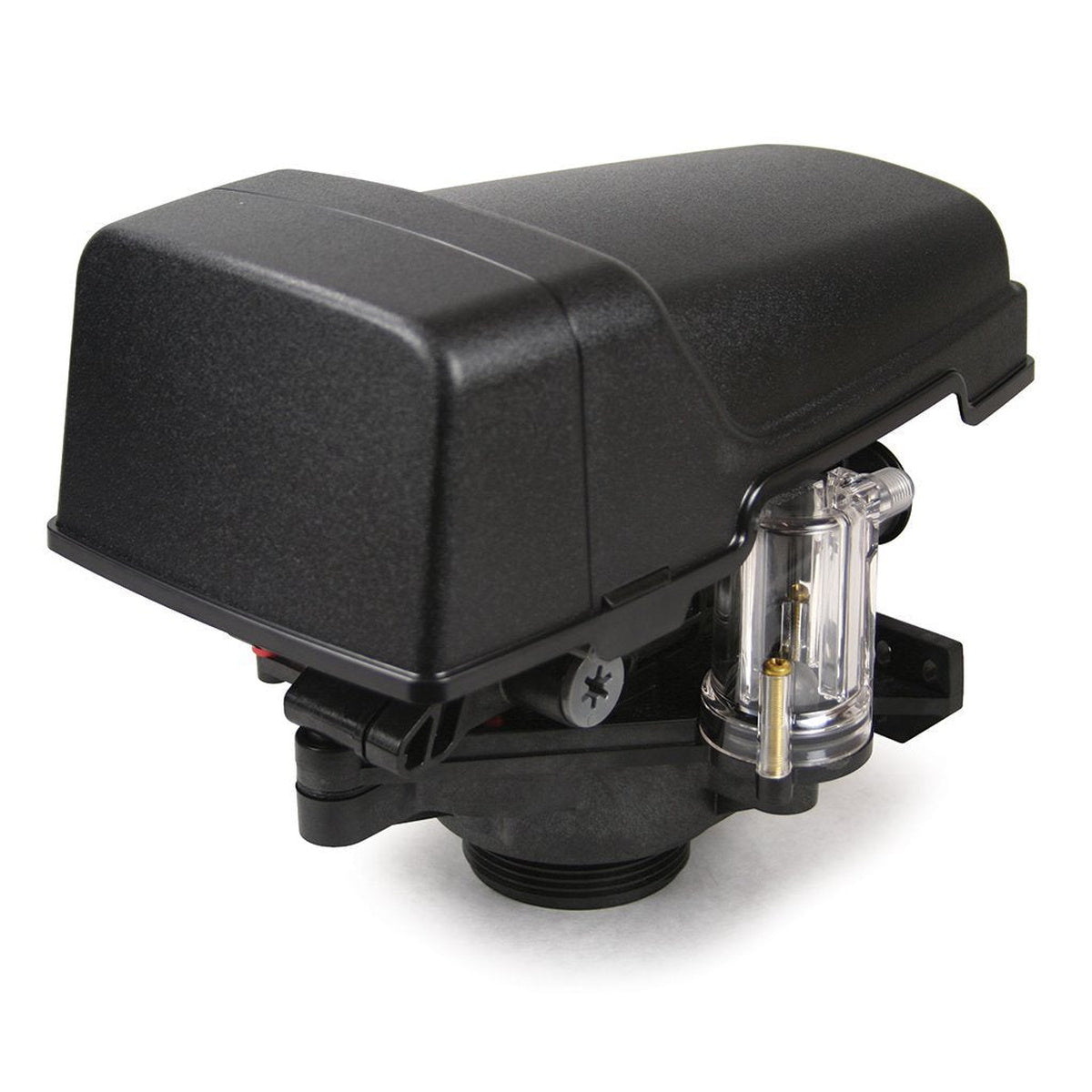
Autotrol Logix 255 W 760 Demand Ctrl 08505
$666.15
Autotrol Logix 255 w/760 Demand Ctrl
✓ Free shipping in the USA · ✓ 90-day returns · ✓ Secure checkout

Autotrol Logix 255 W 760 Demand Control 08505 Overview
In many households in the Midwest, including locations like Thief River Falls and nearby areas, tap water can carry high levels of hardness due to mineral deposits like calcium and magnesium. This issue is not just about taste; it can also affect the longevity of plumbing fixtures, appliances, and even clothing washed in the water. The Autotrol Logix 255 with 760 Demand Control provides a solution tailored for homes in these regions, addressing the need for effective and efficient water treatment.
Understanding Local Water Challenges
Thief River Falls, known for its beautiful landscapes and community spirit, also faces challenges related to water quality. Homeowners regularly deal with hard water issues, which can lead to unsightly mineral buildup on kitchen and bathroom fixtures. This level of hardness can necessitate increased maintenance for appliances such as water heaters and dishwashers, leading to premature failures and costly repairs. As families become more aware of their water quality, the need for a reliable water softening system becomes increasingly essential.
Features of the Autotrol Logix 255 W 760 Demand Control
The Autotrol Logix 255 W 760 Demand Control is specifically designed to meet the needs of homeowners facing these hard water challenges. This water softener is equipped with advanced technology that allows for efficient water usage and effective treatment. Here are some key features to consider
- Demand Control Operation This system operates based on your household’s water usage patterns, allowing it to regenerate only when necessary. This not only saves salt but also conserves water, making it an environmentally friendly option.
- Capacity and Sizing The unit is available in different sizes suitable for homes of varying water usage needs. Proper sizing ensures optimum performance, minimizing the risk of overloading or underutilization.
- Durability and Quality Made from high-quality materials, the Autotrol Logix 255 is built to withstand the demands of regular use in busy households. Its robust design promises reliability over time.
Installation Considerations
When considering the installation of the Autotrol Logix 255 W 760, several factors should be taken into account to ensure optimal performance.
- Location Choose a location in your home that allows easy access for maintenance and monitoring. Typically, this is near where the water supply enters the home or in the basement.
- Drainage Access The system requires a drain for backwashing purposes. Ensure that the installation site can accommodate this requirement.
- Salt Storage An area should be designated for the salt used in the softening process. It should be easily accessible for refilling yet kept away from moisture to prevent clumping.
Maintenance Intervals and Tips
The effectiveness of any water softener, including the Autotrol Logix 255, relies heavily on regular maintenance. Homeowners should adhere to these key maintenance intervals
- Salt Levels Regularly check the salt levels in the brine tank, ideally every month. Refilling as needed ensures uninterrupted operation.
- System Cleanings Perform routine cleanings and inspect the resin beads in the tank. Cleaning can typically be done every 6 months to a year, depending on usage.
- Check for Leaks Inspect all connections periodically for any signs of leaks or wear. Early detection can prevent costly repairs down the line.
Long-term Benefits of Using the Autotrol Logix 255
Investing in the Autotrol Logix 255 W 760 Demand Control means more than just softening water. Homeowners will notice a range of long-term benefits that enhance daily living
- Improved Appliance Lifespan Soft water is gentler on appliances. This can result in fewer breakdowns and a longer lifespan for items like dishwashers, washing machines, and water heaters.
- Better Skin and Hair Health Many individuals find that softer water leads to improved skin and hair quality, minimizing dryness and irritation often caused by hard water.
- Energy Efficiency With reduced mineral buildup, appliances operate more efficiently, potentially lowering energy bills over time.
Final Thoughts
Choosing a water treatment system like the Autotrol Logix 255 W 760 Demand Control is a decision that can greatly enhance the quality of water in your home. By effectively addressing hard water challenges, this system not only improves taste but also contributes to the longevity of your home’s plumbing and appliances while providing health benefits for your family. As a homeowner in areas like Thief River Falls, investing in this technology is a proactive step toward ensuring clean, soft water for every use, and a simple solution to common water concerns.
Understanding Water Hardness Levels
Water hardness is typically measured in grains per gallon (gpg) and can have a significant impact on household use. Understanding the specific hardness level of your water can help in determining the necessity and scale of water treatment solutions.
Measuring Hardness
Homeowners can measure water hardness using testing kits available at home improvement stores or by sending a sample to a local water testing lab. Common categories of water hardness include
- Soft Water: 0-3 gpg
- Moderately Hard Water: 4-7 gpg
- Hard Water: 8-12 gpg
- Very Hard Water: 13 gpg and above
Knowing your water's hardness can aid in selecting the most effective treatment method, ensuring optimal performance from the Autotrol Logix 255.
Types of Water Softeners
While the Autotrol Logix 255 is a popular choice, there are several types of water softeners available, each with distinct features and benefits. Understanding these options helps homeowners make informed decisions based on their specific needs.
Salt-Based Water Softeners
Salt-based models, including the Autotrol Logix 255, utilize ion exchange technology, replacing hard minerals like calcium and magnesium with sodium. This method is highly effective and widely used in residential settings.
Salt-Free Water Softeners
Salt-free systems are an alternative that employs different technologies such as template-assisted crystallization, which prevents scaling without removing minerals from the water. This system is suitable for households seeking a more environmentally friendly option.
Dual-Tank Systems
For larger households or those with high water demands, dual-tank softeners can provide an uninterrupted supply of soft water. While one tank is in use, the other can regenerate, ensuring a constant flow and minimizing downtime.
Common Misconceptions about Water Softeners
There are several misconceptions surrounding water softening systems that can lead to confusion. Addressing these can help homeowners understand the true value of their investment.
Myth: Water Softeners Are Only for Hard Water
While water softeners are most effective for hard water, they also mitigate other water issues such as rust and sediment, ensuring cleaner water overall.
Myth: Soft Water Is Unhealthy
Some individuals believe that soft water is not suitable for drinking due to its sodium content. However, the sodium levels in softened water are generally safe for consumption, and for individuals requiring low sodium, potassium chloride can be used as an alternative.
Environmental Considerations
Investing in a water softening system also has environmental implications. Understanding these can aid homeowners in making eco-conscious choices.
Reducing Water Waste
By preventing mineral buildup in pipes and appliances, water softeners reduce the need for frequent repairs and replacements, leading to less waste. Additionally, energy efficiency improvements mean less resource consumption overall.
Minimizing Soap Usage
Soft water allows for better soap lathering and cleaning efficacy, which can lead to reduced soap and detergent consumption over time. This not only saves money but also decreases the amount of chemicals released into wastewater systems.
Cost Considerations
While the initial investment in a water softening system might be a concern, the long-term savings and benefits can counterbalance this expense.
Longevity of Household Items
With reduced wear and tear on appliances and plumbing, homeowners can save significantly on repair costs and replacements over time, making the system a cost-effective choice.
Increased Property Value
Homes equipped with water treatment solutions often have increased market appeal, which can enhance property value—a key consideration for many homeowners.
Maintenance of Water Softeners
To ensure optimal performance and longevity of water softening systems, regular maintenance is essential. Routine checks and upkeep can prevent issues that might arise from neglect.
- Regeneration Process Most water softeners require periodic regeneration to refresh the resin beads. This process is triggered based on water usage, and homeowners should monitor salt levels to ensure effective operation.
- Cleaning Regular cleaning of the brine tank and resin tank can enhance the efficiency of the water softener. A clean system operates more effectively, providing better water quality.
- Professional Inspection Scheduling annual inspections with a qualified technician can help identify potential issues before they become costly repairs.
Types of Water Softeners
Understanding the different types of water softeners available can help homeowners choose the right system for their needs. The most common types include
- Ion Exchange Softeners These are the most widely used systems. They exchange calcium and magnesium ions with sodium or potassium ions, effectively softening the water.
- Salt-Free Softeners Ideal for those looking for a more environmentally friendly option, these systems condition the water instead of removing minerals, preventing scale buildup without adding sodium.
- Reverse Osmosis Systems Although primarily used for drinking water purification, some reverse osmosis systems also possess softening capabilities, providing dual benefits.
Common Misconceptions
Aside from the myths already discussed, there are other misconceptions surrounding water softeners that merit clarification.
- Softened Water Isn't Good for Plants While excessive sodium can harm certain plants, balanced softening processes minimize sodium levels, making softened water generally safe for garden use.
- They Require Constant Attention Modern water softening systems are equipped with smart technology that automates many processes, reducing the need for constant monitoring.
Alternative Methods to Consider
In addition to traditional water softeners, homeowners may explore alternative methods for addressing water quality.
- Magnetic Water Conditioners These devices claim to alter the physical properties of minerals to reduce scale without the use of chemicals.
- Whole House Filtration Systems These systems not only soften but also filter out contaminants, providing a comprehensive solution for water quality improvement.
Related
- reviews autotrol logix 255 w 760 demand ctrl
- price autotrol logix 255 w 760 demand ctrl
- autotrol-logix-255-w-760-demand-ctrl nearby
- new autotrol-logix-255-w-760-demand-ctrl
- used autotrol-logix-255-w-760-demand-ctrl
- autotrol logix 255 w 760 demand ctrl for sale
- replacement autotrol logix 255 w 760 demand ctrl
- plumbing valves autotrol logix 255 w 760 demand ctrl
- black autotrol logix 255 w 760 demand ctrl
- buy autotrol logix 255 w 760 demand ctrl
- autotrol-logix-255-w-760-demand-ctrl under
- white autotrol logix 255 w 760 demand ctrl
- usa autotrol logix 255 w 760 demand ctrl
- dimensions autotrol logix 255 w 760 demand ctrl
- gray autotrol logix 255 w 760 demand ctrl
- autotrol-logix-255-w-760-demand-ctrl free shipping
- 32,000 grains autotrol logix 255 w 760 demand ctrl
- 40,000 grains autotrol logix 255 w 760 demand ctrl
- programmable autotrol logix 255 w 760 demand ctrl
- autotrol logix 255 w 760 demand ctrl
- 64,000 grains autotrol logix 255 w 760 demand ctrl
- 48,000 grains autotrol logix 255 w 760 demand ctrl
- 96,000 grains autotrol logix 255 w 760 demand ctrl
- pentair autotrol logix 255 w 760 demand ctrl
- Autotrol Logix 255 W 760 Demand Ctrl 01050
- Autotrol Logix 255 W 760 Demand Ctrl 32656
- Autotrol Logix 255 W 760 Demand Ctrl 33844
- Autotrol Logix 255 W 760 Demand Ctrl 35224
- Autotrol Logix 255 W 760 Demand Ctrl 41040
- Autotrol Logix 255 W 760 Demand Ctrl 42082
- Autotrol Logix 255 W 760 Demand Ctrl 47523