
Solutions for Bacteria Challenges in High-Demand Well Water Systems
$892.99
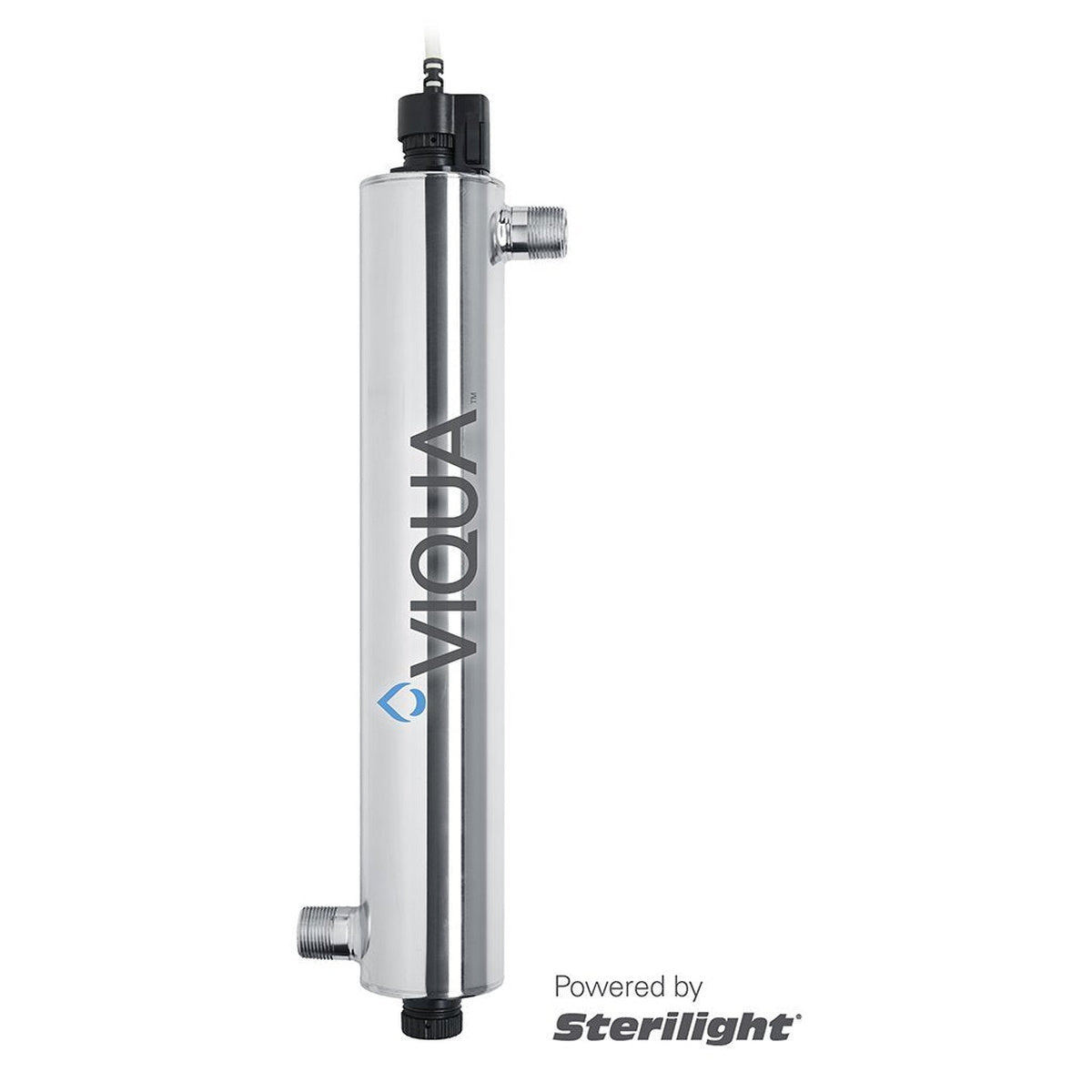
Viqua VH410 UV sterilizer for 18 gpm flow — VIQUA-VH410, UV Sterilizer, 18 gpm, VH410
✓ Free shipping in the USA · ✓ 90-day returns · ✓ Secure checkout

Recognizing the Boundaries of Your Current Bacteria Treatment
Living with a well water system that shows signs of bacteria presence can be challenging, especially if your existing bacteria treatment equipment seems to be struggling. You may notice unpleasant changes that affect your household’s daily life — like odd tastes or odors in your water, skin irritation after bathing, or a need for more frequent appliance maintenance. These symptoms often become more pronounced when your household demand increases, such as having multiple bathrooms in use simultaneously or a larger number of occupants drawing water throughout the day.
Despite your current equipment functioning, it could feel like it’s barely managing to keep bacterial issues under control. Fixtures and appliances may sometimes feel coated or less efficient, laundry might come out dingy or not as fresh, and water quality fluctuations might unsettle your confidence in its safety. The unpredictable nature of running costs linked to water treatment maintenance can add to your frustration. When your treatment train is no longer meeting these high demands at home, it’s a clear sign that limits have been reached.
Understanding Why Your Current Setup Reaches Its Limits
Your existing bacteria treatment configuration probably consists of components suited for a certain capacity or intensity of bacterial presence. However, in residential settings with well water, several factors can push these components beyond their effective range. High household water use increases the volume and flow rate through the treatment system, making it difficult for some equipment to fully neutralize bacteria.
Moreover, bacterial load fluctuates over time depending on well conditions and environmental changes, creating variable challenges that a once-adequate system might now struggle against. The technology in place may not be designed to handle sustained high demand or higher bacterial concentrations, leading to diminished performance.
This is not a failure of the equipment but rather the natural boundary of its design and capacity. In many cases, the system remains operational but cannot reliably ensure the level of bacteria control your household requires for health, comfort, and appliance longevity.
What an Upgrade Brings and What It Does Not
Choosing to upgrade your bacteria treatment is about extending capability and reliability. The right upgraded system can provide a stronger barrier against bacteria, helping to restore water quality that supports comfortable skin contact, reduces odors and taste issues, protects plumbing and appliances, and stabilizes your household’s water treatment expectations.
An upgrade, such as the Water Softener Plus C-Series Safe Well with UV disinfection technology, ships ready to configure in your home’s water treatment arrangement. It uses ultraviolet light to inactivate bacteria effectively, augmenting or replacing parts of your existing train to meet more demanding circumstances.
However, it is important to understand what an upgrade will not do. It does not change underlying well water quality conditions such as sediment, hardness, or chemical contaminants—those require separate treatment components. Nor does it eliminate the need for regular water testing or routine maintenance to ensure ongoing performance. Finally, an upgrade will not eliminate bacterial presence instantly or permanently without proper wellhead protection and well maintenance; it focuses on addressing bacteria in the water as it enters your home.
Knowing When Upgrading Isn’t the Right Step
Upgrading your bacteria treatment system makes sense when your current equipment falls short under continuous high demand and bacteria presence that affects your household comfort and appliance reliability. However, there are situations where an upgrade is not the best path forward.
If your water quality issues stem from other sources such as chemical contamination or physical particulates, addressing those separately is essential before considering a bacteria-focused upgrade. Additionally, if your well requires repair or maintenance due to contamination infiltration, fixing the well itself must precede or accompany any water treatment changes.
In smaller households with lower water demand where bacteria presence is occasional or very mild, enhancing water disinfection may be unnecessary. In such cases, routine well monitoring and targeted maintenance can be sufficient to maintain water quality without the complexity of an upgraded treatment system.
Documented Steps to Upgrade Your Bacteria Treatment
If your well water bacteria treatment reaches its limits and the above conditions favor an upgrade, the path is straightforward:
- Assess your household water demand and current treatment’s effectiveness to confirm the need for enhanced bacteria control.
- Explore the characteristics and compatibility of UV disinfection technology, especially the Water Softener Plus C-Series Safe Well solution, which arrives ready to configure within your existing water treatment train.
- Review your overall water system to ensure other quality issues are addressed or understood, maintaining a holistic approach to water safety and performance.
- Request a professional quote to understand how this upgrade fits with your home’s requirements. Though the system ships ready to configure, professional guidance on system integration and configuration may help.
- Implement the upgraded equipment as part of your water treatment strategy, monitor performance closely, and maintain your well to minimize bacterial reintroduction.
This approach balances increased bacteria control with respect for your home’s unique water conditions and demand levels. Recognizing when your current equipment cannot keep pace and responding with a documented, effective upgrade ensures your household water remains a source of comfort and reliability.
Viqua VH410 UV sterilizer for 18 gpm flow — VIQUA-VH410, UV Sterilizer, 18 gpm, VH410
Priced on request for your specification.