
Facing Bacteria Challenges in Boynton Beach Homes Amidst Growing Demand
$2,354.99
✓ Free shipping in the USA · ✓ 90-day returns · ✓ Secure checkout

Understanding Bacteria Concerns in Boynton Beach Household Water
The Whispering Pines Mobile Home Park public water system (PWSID FL4504396) in Boynton Beach, Palm Beach County, supplies groundwater to about 760 people across 304 connections. This system is documented by EPA records to have one health-based violation among ten total, revealing that bacteria presence remains an ongoing concern for this water supply.
It is important to note that these records present system-wide data and do not specify the bacterial conditions of any individual household’s plumbing. The presence of bacteria in municipal water systems, including this one, plays a role in the treatment approaches needed to maintain safe and palatable water.
Why Existing Equipment May Struggle
Many residences rely on household water treatment equipment designed to reduce bacteria levels. However, as water demand and usage patterns evolve, these systems can be challenged to keep pace. Equipment that once sufficed might not thoroughly neutralize bacteria if it cannot handle current flow rates or bacterial loads consistently.
Moreover, while the municipal water treatment process codes cover multiple methods, residual bacteria can persist or regrow within home plumbing if household treatment is inadequate. Understanding the limitations of existing equipment is fundamental to managing water quality concerns effectively.
Testing Your Household Water for Bacteria
Because municipal data do not reflect individual well or tap water conditions, it is essential for homeowners to undertake specific tests of their own water to determine bacterial presence and levels. Testing laboratories can analyze samples for total coliform bacteria and E. coli, which are key indicators of bacterial contamination requiring attention.
How UV Sterilization Addresses Bacteria Challenges
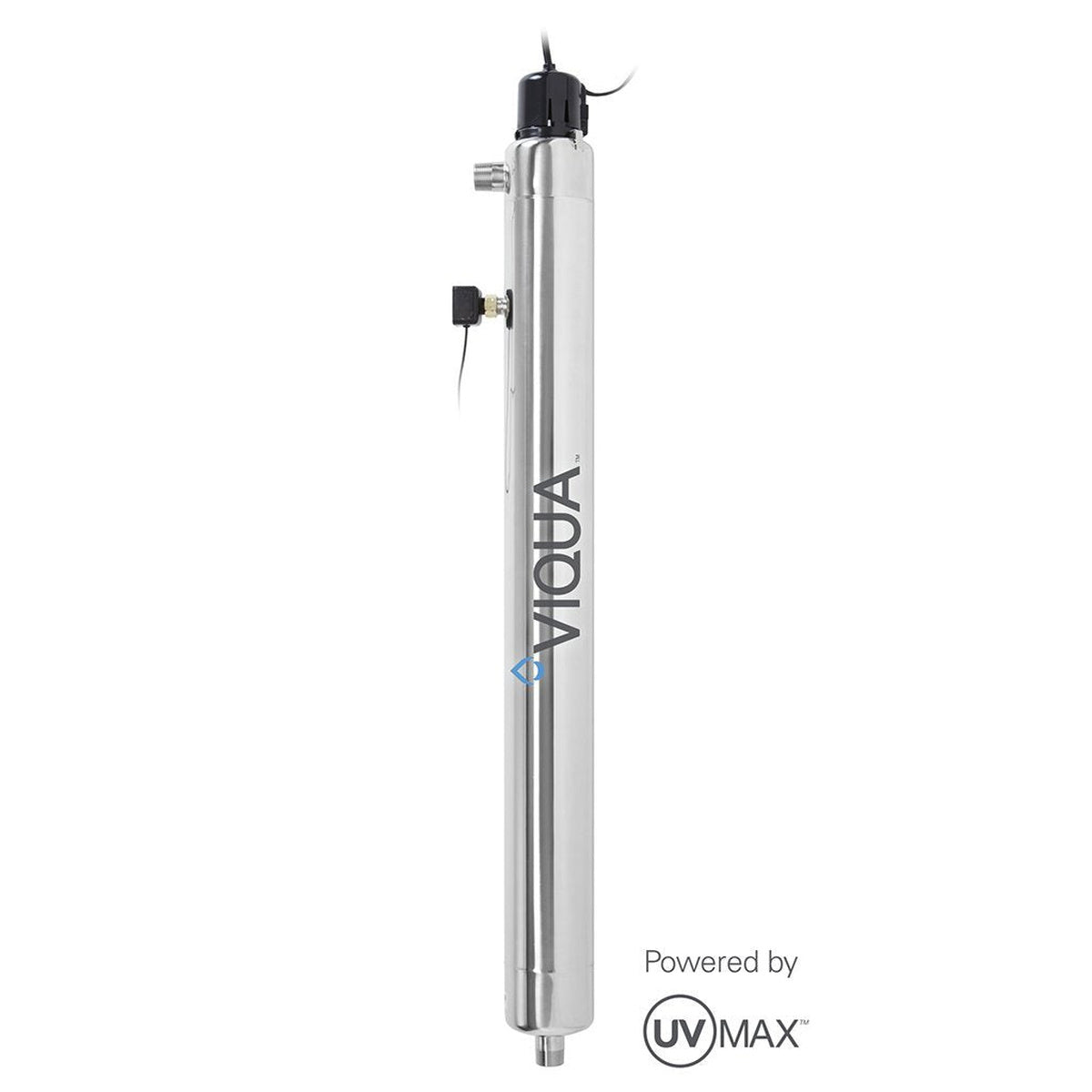
Ultraviolet (UV) disinfection is a technology proven to inactivate bacteria efficiently within water by exposing microorganisms to UV light at a germicidal wavelength. The UV Sterilizer model suitable for household use operates at 36 gallons per minute, making it capable of treating typical residential flows while ensuring thorough bacterial control.
This technology does not rely on chemical additives, which makes it a clean method of additional treatment that can augment already existing equipment. Its effectiveness depends on proper flow rates and maintaining clean quartz sleeves and bulbs to ensure UV light penetrates water consistently.
Benefits of Adding UV Disinfection to Your Home Water Treatment
- Significant reduction of bacteria without altering taste or odor.
- Continuous disinfection capacity aligned with household water usage.
- Complementary to municipal groundwater treatment processes and existing home equipment.
Next Steps for Homeowners Concerned About Bacteria
Residents in Boynton Beach who find their current household water treatment insufficient to control bacteria should first conduct detailed water testing specific to their home. Upon confirmation of bacterial presence, enhancing treatment with a UV Sterilizer can be an effective step.
The UV Sterilizer ships ready to configure, allowing homeowners to integrate it into their water system infrastructure. This targeted response helps ensure safer water by neutralizing bacteria that challenge older or undersized equipment.
Awareness of local public water system data combined with household testing and updated treatment solutions creates a comprehensive approach to maintaining bacterial control for residents experiencing growing water quality demands in Boynton Beach.
Where this information comes from
Source: EPA SDWIS public water system record. Sampled 2024-12-01. These figures describe the public water system's record, not the plumbing inside any individual building.
On record: EPA SDWIS record for WHISPERING PINES MHP (FL4504396), groundwater supply, serving 760 people: 1 health-based violations of 10 total; lead 90th percentile 0.0011 mg/L