
Breweries in Seattle, WA: Commercial Water Treatment Sizing
Pricing: request a quote
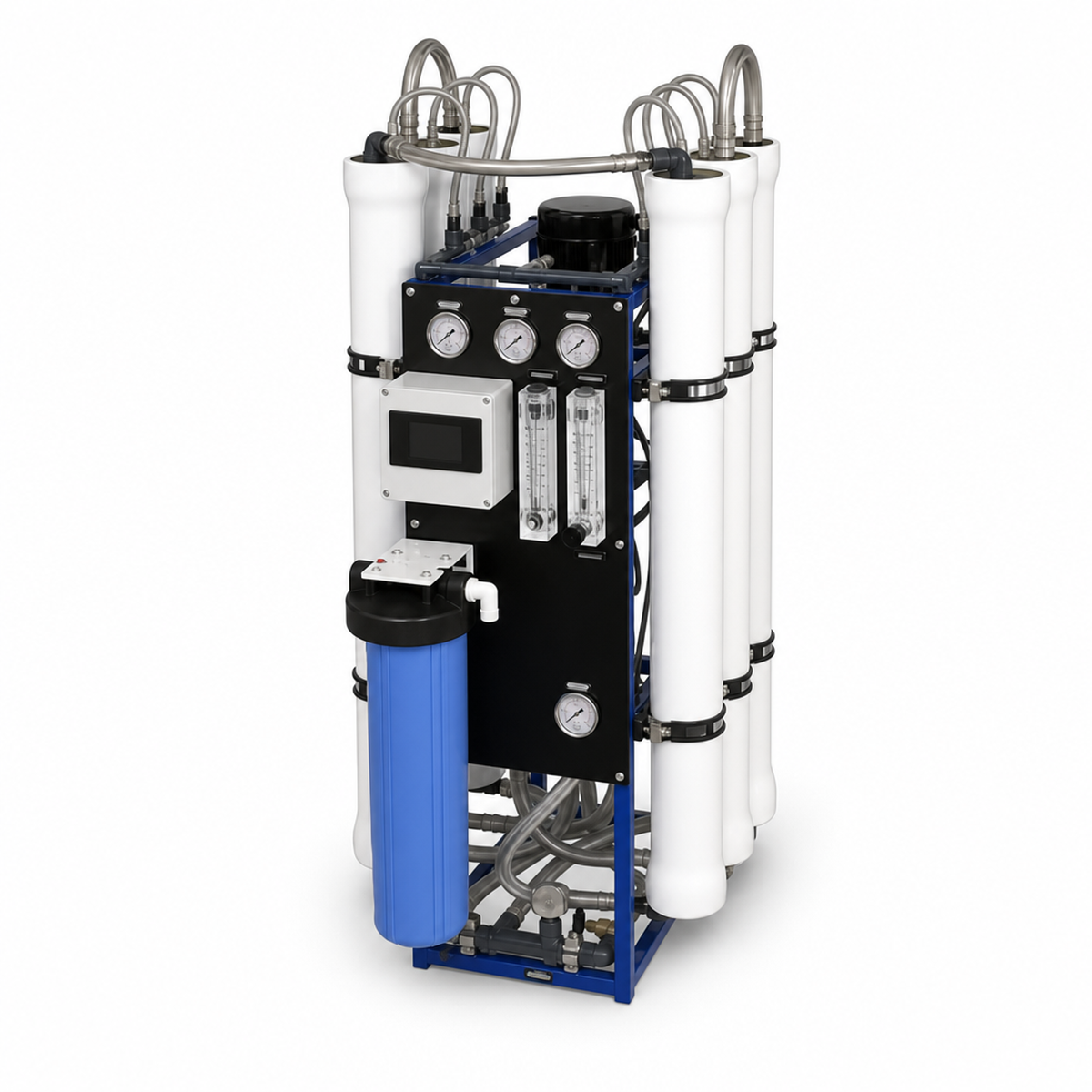
Get a Quote10.000 GPD Reverse Osmosis System - Commercial Four 4x40 Membranes w/ Controller
✓ Free shipping in the USA · ✓ 90-day returns · ✓ Secure checkout

10.000 GPD Reverse Osmosis System - Commercial Four 4x40 Membranes w/ Controller
Breweries in Seattle, WA: Commercial Water Treatment Sizing
In the bustling craft beer scene of Seattle, WA, breweries face unique operational challenges that go beyond just brewing quality beer. One vital element that can impact both the efficiency of equipment and operating costs is the quality of water used throughout the brewing process. Untreated water can lead to scaling in boilers, corrosion in piping, and decreased lifespan of brewing equipment, ultimately increasing maintenance costs and affecting production schedules.
Understanding Demand: Average vs. Peak
One of the first steps in sizing a commercial water treatment system is understanding both average and peak water demands. Breweries have fluctuating water needs based on production schedules, events, and other factors. It's crucial to determine:
- Average daily water usage for brewing, cleaning, and other operations.
- Peak demand times, such as during special events or seasonal production increases.
This information will guide the selection of a system capable of meeting these variable demands without compromising performance or quality.
Duty Cycle and Its Impact on Sizing
The duty cycle of your equipment is essential in evaluating water treatment needs. Duty cycle refers to the length of time that equipment will be operating at full capacity versus the total time of operation. A system that only operates at peak demand irregularly may require different sizing than one with a consistent high use pattern. Consider the following:
- How often does the brewery operate at full capacity?
- What is the average duration of peak operations?
Understanding this will allow for the correct sizing of systems to ensure they can handle the high demand during peak periods without failure.
Selecting Flow Rate and Capacity
When sizing a commercial water treatment system for your brewery, it’s important to consider the flow rate and capacity of the equipment:
- Flow Rate (GPM): This refers to the gallons per minute your system needs to deliver during peak times. Calculate this based on equipment demands, cleaning cycles, and other water uses.
- Capacity (Grains/GPD): Understanding the total capacity required to keep up with water usage is crucial. Factors such as the type of brewing process and the number of simultaneous brews will influence this estimate.
Redundancy for Reliability
Having a reliable water treatment system is vital for any brewery. Consider incorporating redundancy through duplex or alternating configurations. This means having two systems that can work together or switch during maintenance periods, which ensures:
- Continuous operation even during system maintenance.
- Increased reliability and reduced risk of downtime, particularly during peak brewing hours.
Pretreatment Considerations
Before selecting a water treatment system, it is essential to evaluate the potential need for pretreatment. Depending on your water source, you may need to address various contaminants that could affect brewing quality. Common pretreatment methods include:
- Filtration systems to remove particulate matter.
- Softening systems to eliminate hard water minerals.
- Activated carbon systems to mitigate taste and odor issues.
Maintenance and Consumable Interval
Understanding the maintenance requirements of your water treatment system is key to ensuring long-term functionality. Speak with suppliers or manufacturers about:
- The types of maintenance required and frequency intervals.
- The cost and availability of consumables like filters and cleaning agents.
A well-maintained system not only performs better but saves money on repairs over time.
Space and Drain Requirements
Lastly, consider the space and drain requirements for any water treatment equipment. Ensure that you have adequate space for installation and easy access for maintenance. Additionally, drainage is essential for waste disposal and maintenance activities:
- What is the available space for installation?
- Are there sufficient drainage facilities for wastewater?
Specification Questions to Answer
Before making a purchase, have the following specification questions ready:
- What is the total daily water usage?
- What are the peak demand times?
- What contaminant levels are expected in the water source?
- What maintenance schedule can be realistically adhered to?
By considering these factors, breweries in Seattle can select a water treatment system perfectly tailored to their operational needs, ensuring optimal product quality and efficiency.