
Faded Laundry in Finney County: Choosing Equipment for Aquifer 121OGLL Water
$6,373.93
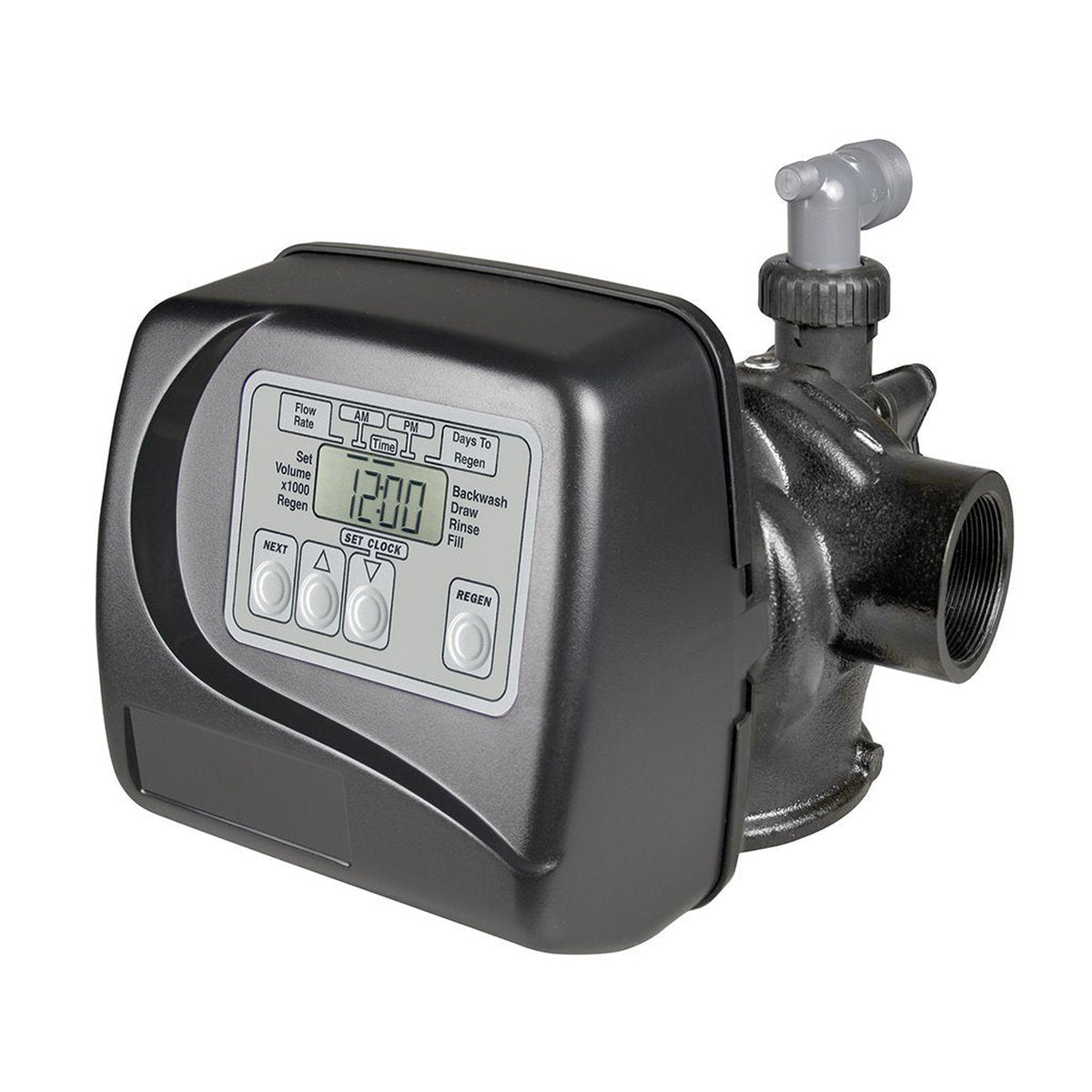
Nelsen 150,000 Grain Mineral-Tank Commercial Water Softener
✓ Free shipping in the USA · ✓ 90-day returns · ✓ Secure checkout

If your plumbing is older or made from certain materials, could it affect laundry condition rather than the water itself?
Many operators assume faded laundry always originates from the water source, but the material and age of pipes and fittings can also contribute. Older metal pipes or corroded plumbing may release substances that dull fabric over time, separate from anything measured in the water supply. Differentiating between plumbing-related causes and source water effects is crucial before selecting water-treatment equipment.
If laundry fades despite proper detergent and handling, is water quality the likely cause or something else?
Faded fabrics can result from multiple factors such as detergent formulations, washing machine conditions, and drying methods. However, when these operational variables are controlled, water characteristics including mineral content can influence fabric appearance. Commercial facilities should note symptoms like uneven fading or fabric roughness that correspond with water use, while ruling out mechanical causes.
If Finney County aquifer 121OGLL shows hardness levels ranging from 377 to 405 mg/L calcium plus magnesium, how should this be interpreted regarding fabric fading?
The U.S. Geological Survey reports median hardness in this local aquifer around 389 mg/L, based on samples collected between 2010 and 2021 at wells approximately 65 feet deep. These values fall below any federal regulatory threshold, meaning they are not violations or safety concerns. Instead, this mineral concentration represents typical groundwater characteristics capable of influencing fabric care. Hard water minerals can interfere with detergent efficacy, potentially causing fading or dinginess in laundry.
If your facility experiences variable occupancy or seasonal use, how might this affect fading issues and equipment choice?
Larger commercial operations or those with fluctuating laundry loads, such as seasonal businesses, place different demands on water treatment systems. Hardness impacts can accumulate with volume and usage frequency, requiring equipment sized to handle peak water flow and mineral removal. A decision to invest in a twin unit skid system can accommodate these operational variations effectively.
If calcium and magnesium are naturally present in Finney County’s aquifer 121OGLL, how do these minerals enter the water used by your facility?
Calcium and magnesium arise through natural geological processes as groundwater passes through sedimentary rock formations typical of this region. These minerals dissolve into the water at concentrations measured by government sampling. They arrive pre-distribution and are not added by municipal treatment. Understanding this natural origin clarifies why certain mineral levels appear consistently in local wells.
Addressing faded laundry in a commercial setting in Finney County begins with recognizing these water quality characteristics. Testing your specific supply is recommended, but the documented solution for high-demand operations is the 20 Steel Tanks - Twin Unit Skid. This commercial system skid ships ready to configure, designed to manage the mineral levels typical of aquifer 121OGLL water, helping protect fabric quality amid operational demands.
Where this information comes from
Source: USGS groundwater sampling. Sampled 2021-03-30. These figures describe groundwater sampled in this area. They are not a test of any individual private well - only a test of that well can establish its own water.
On record: U.S. Geological Survey sampling of Hardness, Ca, Mg in the 121OGLL aquifer (Finney County): 3 results from 1 wells, median 389.0 mg/L, range 377.0-405.0 mg/L; none above any federal threshold