
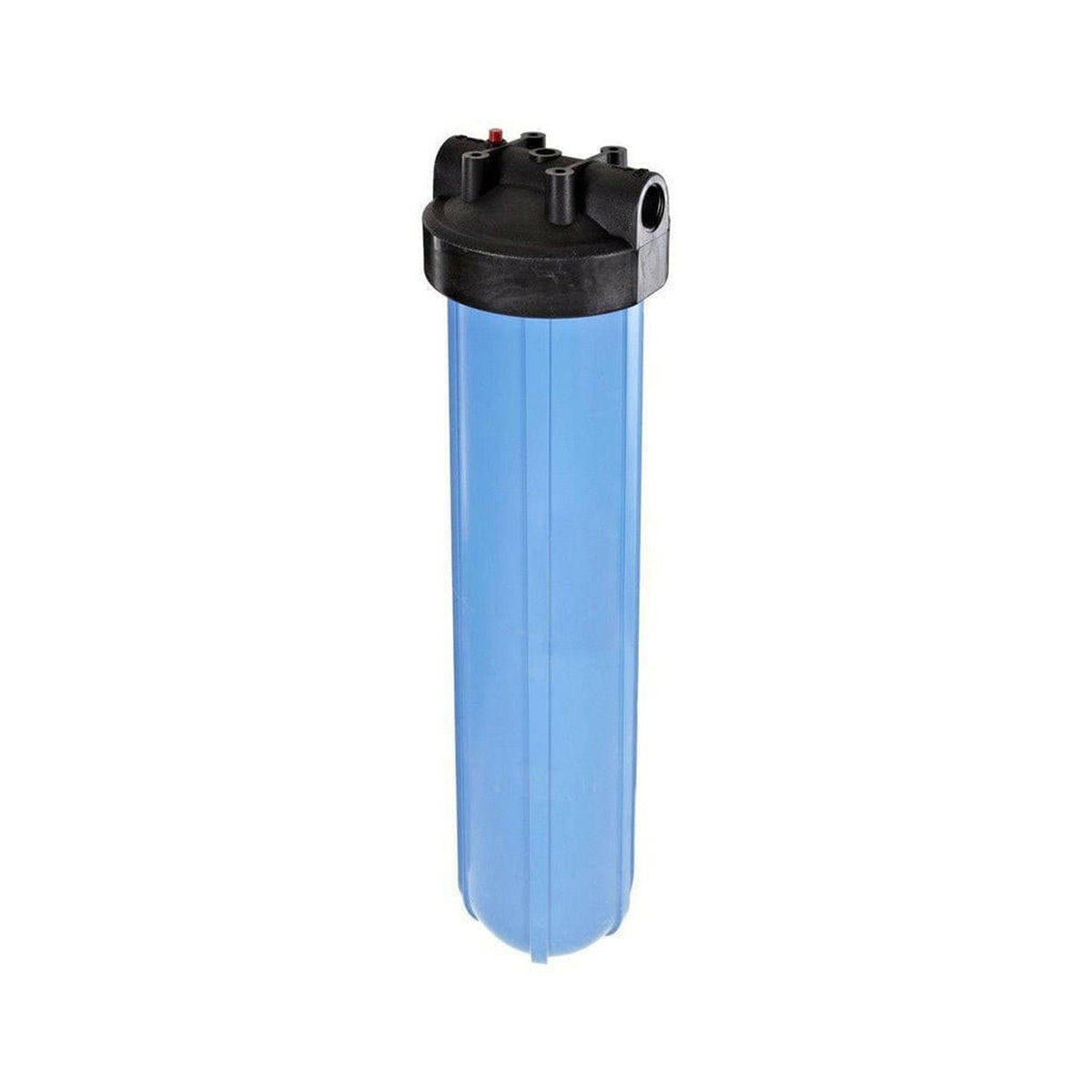
Hope, NJ 07825 - In-Line Water Pre Filter Big Blue Whole House Water Filter
$184.25
Water Softener Plus In-Line Pre-Filter Cartridge
✓ Free shipping in the USA · ✓ 90-day returns · ✓ Secure checkout

Understanding the Role of In-Line Water Pre Filters in Hope, NJ
In Hope, NJ 07825, many homeowners rely on wells as their primary source of water. This means that the quality of water can be particularly variable, often influenced by local geological formations. As a result, residents may face challenges like high levels of sediment and hardness. An in-line water pre-filter is an essential addition to any home water system in this area, ensuring that both the quality of water and the longevity of plumbing fixtures are optimized.
Common Contaminants in Hope's Water Supply
Drawing water from wells means Hope homeowners must contend with a unique set of water quality issues. The local geology — which includes sedimentary rocks — contributes to variations in mineral content. Here are some common concerns:
- Hard Water: High mineral content, particularly calcium and magnesium, can lead to scaling and reduced efficiency in appliances.
- Iron Presence: Elevated iron levels can result in staining on tubs, sinks, and laundry, not to mention a metallic taste.
- Sand and Silt: Fine sediment can enter the water supply, causing cloudiness and potentially leading to clogged pipes over time.
Benefits of Installing an In-Line Water Pre Filter
For homeowners in Hope, an in-line water pre-filter serves as a first line of defense against these prevalent contaminants. By filtering particles before they enter the plumbing system, the filter helps maintain water clarity and protects plumbing fixtures, appliances, and water heaters. Here are some notable benefits:
- Improved Water Quality: An in-line pre-filter removes suspended sediments, enhancing the taste and odor of your water supply.
- Extended Appliance Lifespan: By filtering out minerals and sediments, an in-line filter can help prolong the life of water-using appliances, saving you money in the long run.
- Reduced Maintenance: With sediment and debris filtered out, you will spend less time dealing with clogs and maintenance issues in your plumbing.
Choosing the Right Size Filter for Your Home
When selecting an in-line water pre-filter, sizing is crucial. The filter must adequately handle your household's water consumption to ensure effectiveness. Here are guidelines for sizing:
- Gallons Per Minute (GPM): Consider the flow rate of your household. For larger families or homes with multiple bathrooms, opt for a filter with a higher GPM rating.
- Daily Water Usage: Factor in both drinking water and water used for showers, laundry, and dishwashing to derive total daily usage.
- Peak Demand Periods: Identify times when water use spikes, as aligning your filter capacity with peak demand will prevent flow issues.
Maintenance Considerations for Your In-Line Pre Filter
Routine maintenance is critical for ensuring your in-line water pre-filter performs optimally. Here are some recommendations for homeowners in Hope:
- Filter Replacement: Most filters need replacing every 6 to 12 months, depending on the level of contaminants in your water. Regular checks will help you avoid performance drops.
- Cleaning the Housing: The filter housing should be cleaned periodically to prevent any buildup of sediments or growth of microorganisms.
- Inspecting Connections: During maintenance, check for any leaks or loose connections which can affect water pressure and quality.
Installation Considerations for Your Water Pre Filter
Installing an in-line water pre-filter requires some planning and consideration. Here are steps and tips for homeowners:
- Select the Right Location: Ideally, the filter should be installed close to your water source, before the water enters your home’s plumbing system.
- Ensure Accessibility: Choose a location that allows easy access for maintenance and filter replacement without needing extensive disassembly.
- Professional vs. DIY Installation: While some homeowners may opt for DIY installation, consider hiring a professional plumber to ensure proper installation and avoid potential issues.
Impact on Home Infrastructure
Installing an in-line water pre-filter not only improves water quality but also has significant implications for your home’s plumbing and appliances. Here are some impacts to be aware of:
- Plumbing Health: Cleaner water reduces the risks of corrosion and clogs within your plumbing system, thereby extending its lifespan.
- Appliance Efficiency: Appliances that use water, such as dishwashers and washing machines, operate more effectively when supplied with pre-filtered water, leading to lower energy and repair costs.
- Enhanced Water Pressure: By preventing buildup in pipes, an in-line pre-filter can help maintain optimal water pressure throughout your home.
The Importance of Water Testing
Before making any decisions regarding a water pre-filter, conducting a water quality test is essential. This allows you to accurately identify the specific contaminants affecting your water. Homeowners in Hope can either send samples to a testing lab or purchase appropriate testing kits from local retailers. Understanding the water composition will help in selecting the most suitable filter type and model for your needs.
Conclusion
In-line water pre-filters serve a pivotal role for homeowners in Hope, NJ 07825, especially with the region's unique water challenges. By taking the time to understand local water concerns, selecting the right filter size, and committing to regular maintenance, residents can ensure their family's water is clean, safe, and enjoyable. Investing in an in-line pre-filter is a proactive approach that not only enhances water quality but also protects household infrastructure for years to come.
Understanding Different Types of Water Filters
When considering an in-line water pre-filter, it is crucial to understand the various types available on the market. Each type has its own unique capabilities and is tailored to address different contaminants found in water. Below are several common types of water filters used for residential settings.
Carbon Filters
Carbon filters are among the most popular options for improving water quality. They function by utilizing activated carbon to adsorb impurities and provide excellent taste enhancement. Here are some key points regarding carbon filters:
- Effectiveness: Carbon filters are effective against chlorine, volatile organic compounds (VOCs), and some heavy metals. They also improve the overall taste and odor of water.
- Maintenance: Regular replacement of carbon cartridges is essential to maintain filter efficiency. Most manufacturers recommend changing the cartridges every 6 to 12 months.
- Limitations: Carbon filters are less effective against certain contaminants, such as nitrates and some pathogens.
Reverse Osmosis Systems
Reverse osmosis (RO) systems offer a comprehensive filtration method that can remove a wide range of contaminants from water.
- Multi-Stage Filtration: RO systems typically involve multiple filtration stages, which can include sediment, carbon, and the RO membrane itself, allowing for extensive purification.
- Contaminant Removal: RO systems are effective against dissolved solids, heavy metals, fluoride, and bacteria. They are one of the most thorough purification methods available.
- Water Waste: A significant drawback is that RO systems can waste water during the filtration process, requiring careful consideration for households concerned about water conservation.
Ultraviolet (UV) Filters
UV filters provide a different approach to water purification by using ultraviolet light to eliminate bacteria and viruses.
- Disinfection: UV filters are particularly effective in neutralizing pathogens, ensuring that the water is safe for drinking.
- No Chemicals Required: Since UV filters do not use chemicals for purification, they leave no residue or aftertaste in the water.
- Maintenance Needs: Regular bulb replacement is necessary to maintain effectiveness, typically every 12-18 months, depending on the model.
Factors Influencing Water Filter Selection
The choice of water filter can be influenced by several key factors unique to each household. Here are some considerations to keep in mind when selecting the best water filter:
- Water Quality: The specific contaminants present in your water supply will significantly impact filter selection. Utilize water testing results to determine appropriate filtration methods.
- Household Size: Larger households may require a system with a higher flow rate or larger capacity to meet water demands effectively.
- Space Availability: Consideration must also be given to the physical space available for installation, especially with multi-stage systems, which may require more room than a simple carbon filter.
Budget Considerations
While the cost should not be the sole factor in choosing a water filter, it is essential to understand the financial implications of both purchasing and maintaining a filtration system.
- Initial Investment: Prices can vary greatly based on the type of filter and features. Budgeting for upfront costs is crucial.
- Replacement Parts: Regular maintenance, such as replacement cartridges or UV bulbs, should be factored into long-term costs.
- Energy Consumption: Some filtration systems may consume more energy than others, influencing overall household utility bills.
Environmental Impact of Water Filters
Another vital aspect to consider is the environmental impact of different water filtration systems. Selecting environmentally friendly options can not only improve your water quality but also contribute positively to the ecosystem.
- Reduction of Plastic Waste: Using a water filter can substantially decrease the need for bottled water, thereby reducing plastic waste.
- Energy Efficiency: Some filtration systems are designed to be energy-efficient, minimizing their environmental footprint.
- Recyclable Materials: Look for filters made from materials that can be recycled at the end of their life cycle.
Types of Water Filtration Systems
Understanding the various types of water filtration systems available can help you make an informed choice. Here are some common types:
- Activated Carbon Filters: These filters are effective at removing chlorine, sediment, and volatile organic compounds (VOCs). They are widely used for tap water purification due to their efficiency and relatively low cost.
- Reverse Osmosis Systems: Utilizing a semi-permeable membrane, these systems can remove a wide range of contaminants, including heavy metals and bacteria. They are suitable for households that require high purity levels in drinking water.
- UV Filters: Ultraviolet light filtration systems kill bacteria and viruses by exposing them to UV radiation. This method is chemical-free and effective for sterilizing water.
- Ion Exchange Filters: Often used in water softening systems, ion exchange filters replace hard minerals with sodium or potassium, reducing scale buildup in appliances.
Maintenance and Care of Water Filters
Keeping your water filtration system in optimal condition is essential for effective performance.
- Regular Inspections: Schedule routine maintenance checks to ensure that all components are functioning properly and there are no leaks.
- Cartridge Replacement: Follow manufacturer guidelines on how often to replace filters or cartridges. Neglecting this can lead to decreased effectiveness and water quality.
- Cleaning Procedures: Certain systems, especially those with UV bulbs or complex machinery, may require periodic cleaning. Familiarize yourself with the specific maintenance needs of your chosen system.
Potential Health Benefits of Filtered Water
Investing in a water filtration system can have several positive health impacts, enhancing your overall well-being.
- Improved Taste and Odor: Filtered water usually tastes fresher and cleaner, encouraging increased water consumption, which is essential for staying hydrated.
- Reduction of Chemicals: Many water filters can effectively reduce harmful chemicals such as chlorine and lead, lowering the risk of exposure to toxins.
- Enhanced Nutrient Absorption: Clean water allows for optimal hydration, which is crucial for efficient nutrient absorption and overall bodily functions.
Related