
Kensett, IA 50448 - In-Line Water Pre Filter Big Blue Whole House Water Filter
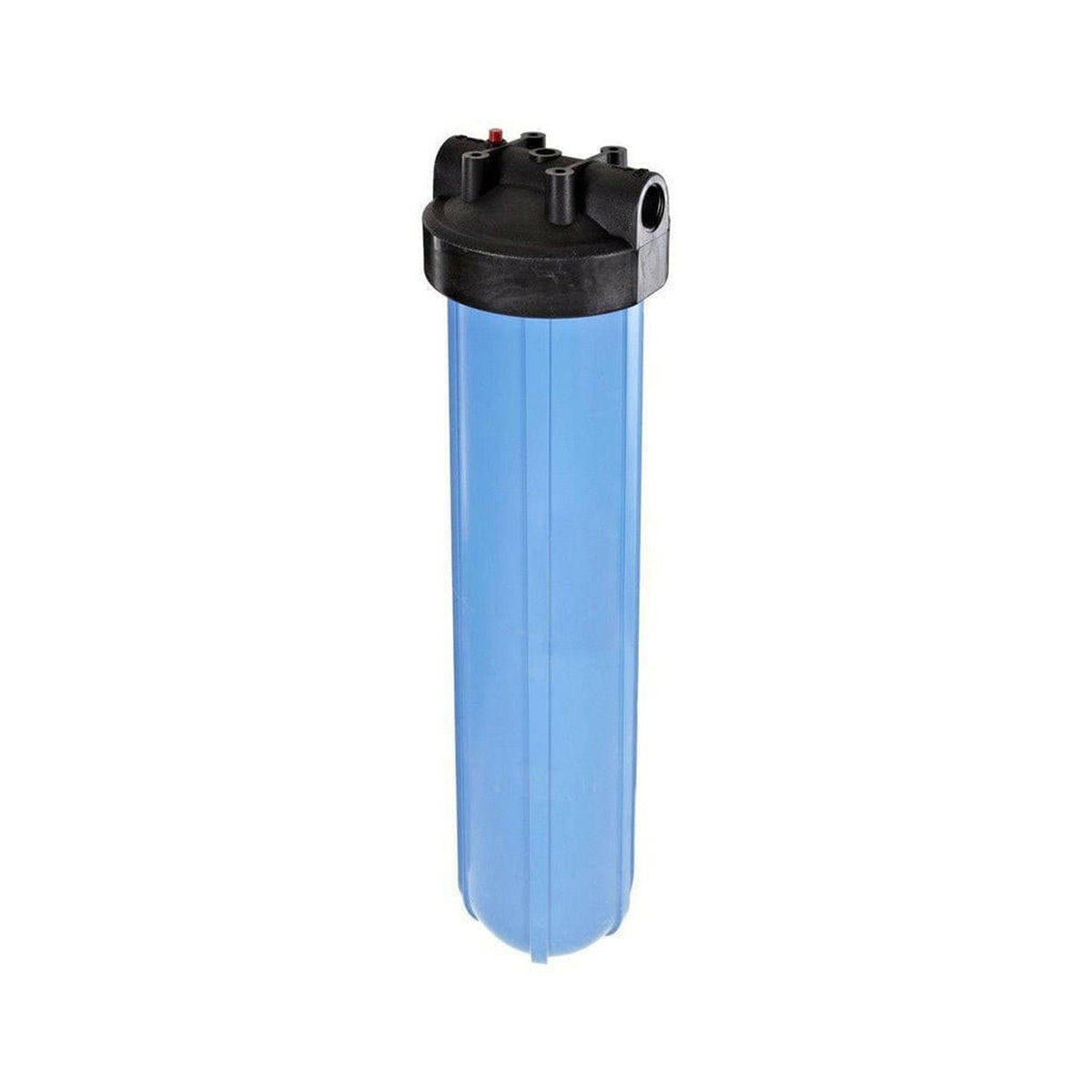
$184.25
Water Softener Plus In-Line Pre-Filter Cartridge
✓ Free shipping in the USA · ✓ 90-day returns · ✓ Secure checkout

Kensett, IA 50448: Optimize Your Water Quality with an In-Line Water Pre Filter
Residents of Kensett, Iowa, often rely on private wells or local municipal water sources, which can bring varying degrees of sediment and contaminants into their homes. Ensuring the best quality water for drinking, cooking, and everyday use is vital for the health and comfort of your household. With the introduction of an in-line water pre filter, you can significantly enhance your water quality, safeguarding your plumbing and appliances from damage caused by particulate matter and impurities.
The Importance of Water Quality in Kensett
As a homeowner in Kensett, understanding the local water chemistry can help you make informed decisions about your water treatment options. Wells in the area can experience high levels of sediment, iron, and even bacteria, which may affect both the taste and appearance of your water. Municipal water, on the other hand, can be subject to chlorination and other treatments that may leave behind chemical residues or unpleasant flavors. An in-line water pre filter acts as an initial barrier, filtering out larger particles and some of the harmful contaminants before they enter your home's plumbing system.
What Is an In-Line Water Pre Filter?
An in-line water pre filter is designed to capture sediment, dirt, rust, and other particulate matter from your water supply. Positioned between your water source and your main plumbing system, it provides a comprehensive first line of defense. This type of system can significantly reduce the burden on your main water filtration or conditioning devices, ultimately extending their lifespan.
Common Contaminants and Hardness Issues
Kensett homeowners may encounter several common issues related to water quality:
- Sediment and Debris: Local wells often draw from aquifers that can contain sand, silt, and other sediment. This sediment can lead to cloudy water and potential clogging of faucets and fixtures.
- Hard Water: Many homes in this region experience hard water, often characterized by high levels of calcium and magnesium. This can lead to scale buildup in pipes and appliances, reducing efficiency and lifespan.
- Iron and Manganese: Elevated levels of iron can lead to staining on sinks, tubs, and laundry. Manganese can impart a blackish color to the water and also lead to similar staining issues.
- Microbial Contaminants: Particularly in well water, there may be a risk of bacteria and other microbes that can compromise water safety.
How an In-Line Water Pre Filter Works
The in-line water pre filter operates using a filtration medium designed to capture various contaminants while allowing clean water to flow through. Here’s how it typically functions:
- Filtration Process: Water enters the filter and passes through multiple layers of filtration media. Larger particles are trapped first, followed by smaller contaminants.
- Flow Rate: These filters are designed to maintain a high flow rate, ensuring that water pressure is not compromised while providing superior filtration.
- Maintenance Schedule: Most in-line pre filters require periodic maintenance, including replacement of filter cartridges based on usage, which usually ranges from 6 to 12 months.
Sizing Your In-Line Water Pre Filter
Choosing the right size for your in-line water pre filter is essential. The filtering capacity should match your household's water demands. Generally, you'll want to consider:
- Household Water Use: Evaluate the average daily water use in your home, including showers, laundry, and kitchen use.
- Peak Flow Rate: Identify the highest water demand times, such as during showering or multiple appliances running simultaneously.
- Filter Capacity: Ensure that the selected filter can handle your household's peak flow rate without causing pressure drops.
Installation Considerations
Installing an in-line water pre filter is generally straightforward, but certain aspects should be considered:
- Location: The filter should be installed as close to the point of entry as possible to maximize its effectiveness in removing incoming contaminants.
- Plumbing Configuration: Assess existing plumbing to determine the best location for installation. Professional plumbing expertise may be required if alterations are needed.
- Accessibility: Choose a location that allows easy access for maintenance and filter replacement.
Key Benefits of Using an In-Line Water Pre Filter
Here are some key advantages that residents in Kensett, IA, can expect from an in-line water pre filter:
- Improved Water Quality: Directly enhances the taste and clarity of your water, making it more enjoyable to drink and use.
- Protects Your Home's Plumbing: Reduces the risk of clogs and sediment buildup, ultimately prolonging the life of your plumbing fixtures and appliances.
- Enhanced Efficiency: By lessening the workload of other filtration and conditioning systems, you improve efficiency and reduce energy costs.
Maintenance and Care
To ensure optimal performance, regular maintenance of your in-line water pre filter is crucial:
- Filter Replacement: Keep track of when to replace the filter cartridges based on your household's usage and the manufacturer's recommendations.
- Visual Inspections: Periodically check for leaks or buildup around the filter and replace any damaged components promptly.
- System Flush: Consider flushing the system as recommended to remove accumulated sediment and ensure cleanliness.
Conclusion: Invest in Your Water Quality
For homeowners in Kensett, IA 50448, investing in an in-line water pre filter can be a proactive step toward improving your household water quality. By understanding the specific needs of your water supply and selecting the appropriate filtration system, you can ensure your home benefits from clean, safe, and great-tasting water. Prioritizing water quality directly contributes to health, comfort, and the longevity of your home's plumbing system.
Understanding Different Types of In-Line Water Pre Filters
In-line water pre filters come in various types, each designed to cater to specific water quality issues. Understanding these options can help homeowners make informed choices.
Carbon Block Filters
Carbon block filters use activated carbon to remove contaminants effectively. They work by adsorbing impurities, including chlorine, heavy metals, and volatile organic compounds (VOCs). These filters provide excellent taste improvement and are popular in residential installations.
Sand Filters
Sand filters utilize layers of sand to trap larger sediment particles. They are effective for removing sand, silt, and other visual contaminants, making them ideal for homes with high sediment levels in their water supply.
Reverse Osmosis Systems
While typically known as point-of-use systems, some reverse osmosis (RO) configurations can function as in-line pre-filters. These systems provide extensive purification capabilities, effectively removing dissolved solids, heavy metals, and more, ensuring exceptionally clean water.
Multi-Stage Filtration Systems
Multi-stage systems combine several filtration technologies, often integrating sediment filters, carbon filters, and sometimes UV treatment. This comprehensive approach addresses a broad spectrum of contaminants, making them suitable for varied water quality issues.
The Impact of Water Quality on Appliances
Understanding the relationship between water quality and household appliances is vital for homeowners. Contaminants in water can significantly affect appliances and their efficiency.
Dishwashers
Hard water and sediment can damage dishwashers, leading to decreased efficiency and increased repair costs. By investing in an in-line pre-filter, homeowners can protect their dishwashers from scale buildup and prolong their lifespan.
Water Heaters
Water heaters are susceptible to sediment accumulation, which can cause overheating and malfunctions. Using a water pre-filter can minimize sediment entry, maintaining the water heater's effectiveness and energy efficiency.
Clothes Washers
Mineral deposits can negatively impact the performance of clothes washers. An in-line pre-filter can help prevent these buildups, ensuring cleaner laundry and extending the life of the appliance.
Refrigerators
Refrigerators with built-in water dispensers and ice makers can suffer from reduced water flow due to clogs caused by contaminants. An in-line water pre-filter can keep water lines clear, ensuring consistent water quality for drinking and ice.
Water Testing and Analysis
Before installing an in-line water pre-filter, conducting a comprehensive water quality test is advisable. Testing helps identify specific contaminants present in your water supply, guiding you toward the most suitable filtration solution.
Types of Water Tests
- Basic Water Tests: Focus on common impurities like chlorine, lead, and pH levels.
- Comprehensive Water Tests: Analyze a wider range of contaminants, including bacteria, heavy metals, and organic compounds.
- DIY Testing Kits: Available at many home improvement stores, these kits allow for basic assessments.
- Professional Testing Services: Engaging a certified laboratory will provide detailed insights into your water quality.
Interpreting Water Test Results
Understanding test results is critical for selecting the right water pre-filter. Homeowners should look for contaminant levels that exceed recommended safety limits. This data will inform decisions on the type of filtration system needed.
Environmental Considerations
Choosing an in-line water pre-filter also has environmental implications worth considering. Many homeowners are increasingly aware of their ecological footprint and seek eco-friendly options.
Reduction of Plastic Bottles
Installing a water pre-filter can significantly reduce reliance on bottled water. By providing fresh, filtered water directly at home, families can minimize plastic waste and contribute positively to environmental conservation.
Water Conservation
Efficient filtration systems often lead to better water management practices. Homeowners become more conscientious about water usage, implementing conservation techniques that can benefit both the household and the environment.
Choosing the Right Professional for Installation
Choosing a qualified professional for the installation of your in-line water pre-filter is essential. Here are some tips for finding the right contractor.
Qualifications and Experience
Look for licensed and insured plumbing contractors who specialize in water filtration systems. Checking their experience with in-line pre-filters is crucial to ensure successful installation.
Reviews and Recommendations
Seek recommendations from friends or check online reviews to gauge the quality of service provided by prospective plumbers. Customer feedback can offer insights into their reliability and expertise.
Post-Installation Support
Choose a contractor who offers ongoing support and maintenance services. A good plumbing professional will not only install your system but also provide guidance on maintenance and troubleshooting.
Common Misconceptions about In-Line Water Pre Filters
Several misconceptions about in-line water pre-filters can lead to misunderstandings. Addressing these common myths can help homeowners make informed choices.
Myth: All Water Filters Are the Same
This misconception can lead to poor filtration choices. Various types of filters are designed for specific contaminants, and selecting the wrong type may not effectively address water quality issues.
Myth: Filters Require Constant Replacement
While filters do need to be replaced, the frequency often depends on water usage and quality. Some high-capacity filters last longer, making regular changes less frequent than some homeowners may believe.
Myth: Water Filters Eliminate All Contaminants
While effective, no filter captures 100% of contaminants. Understanding the limitations of an in-line water pre-filter can help set realistic expectations regarding water quality.
Long-Term Benefits of In-Line Water Pre Filters
Beyond immediate improvements in water quality, in-line water pre-filters provide long-term benefits that can enhance overall household well-being.
Healthier Living Environment
Having clean water reduces exposure to harmful contaminants, contributing to improved health outcomes. Families can enjoy peace of mind knowing they are consuming safer water.
Increased Home Value
Homes equipped with modern, efficient water filtration systems often see an increase in property value. Potential buyers may view these systems as a desirable feature, especially in areas where water quality is a concern.
Cost Savings Over Time
While the initial investment in an in-line water pre-filter may seem substantial, the long-term savings in appliance repairs, bottled water purchases, and health care costs often outweigh this initial expense.
Environmental Impact of Water Pre Filters
In-line water pre-filters not only benefit individual households but can also have a positive influence on the environment. Using these filters helps minimize the reliance on single-use plastic bottles, reducing plastic waste and its harmful effects on ecosystems.
Reduction of Chemical Contaminants
Improving water quality through filtration means fewer chemical contaminants enter the sewage system or waterways. This reduction protects aquatic life and contributes to cleaner bodies of water, benefiting both wildlife and communities dependent on these resources for recreational activities.
Energy Efficiency
In-line water pre-filters often improve the efficiency of household appliances, such as dishwashers and water heaters, by preventing scale buildup and other deposits. This efficiency can lead to less energy consumption and lower utility bills, which further reduces one’s carbon footprint.
Choosing the Right In-Line Water Pre Filter
Selecting an appropriate in-line water pre-filter requires consideration of various factors to ensure it meets your family's needs. Here are some aspects to evaluate:
- Contaminant Testing: Before purchasing, test your water to identify specific contaminants that need addressing.
- Filter Type: Choose from options such as sediment filters, carbon filters, or reverse osmosis systems, depending on your water quality and needs.
- Flow Rate: Consider the filter’s flow rate, as this will affect how quickly you receive filtered water, especially in larger households.
- Certification Standards: Look for filters certified by organizations like NSF International or the Water Quality Association to ensure they meet performance standards.
- Maintenance Requirements: Understand the upkeep involved, including how often filters need to be changed and any cleaning procedures necessary to maintain optimal performance.
Installation and Maintenance Tips
Proper installation and regular maintenance are crucial to the long-term effectiveness of in-line water pre-filters. Here are some essential tips:
- Professional Installation: Although some homeowners may choose DIY installation, hiring a professional can ensure the filter is installed correctly and operates efficiently.
- Regular Inspections: Periodically check the system for leaks or malfunctions to prevent water contamination and ensure optimal performance.
- Keep Records: Maintain a log of filter replacements and any professional maintenance performed, which can help track performance over time and remind you when to change filters.