
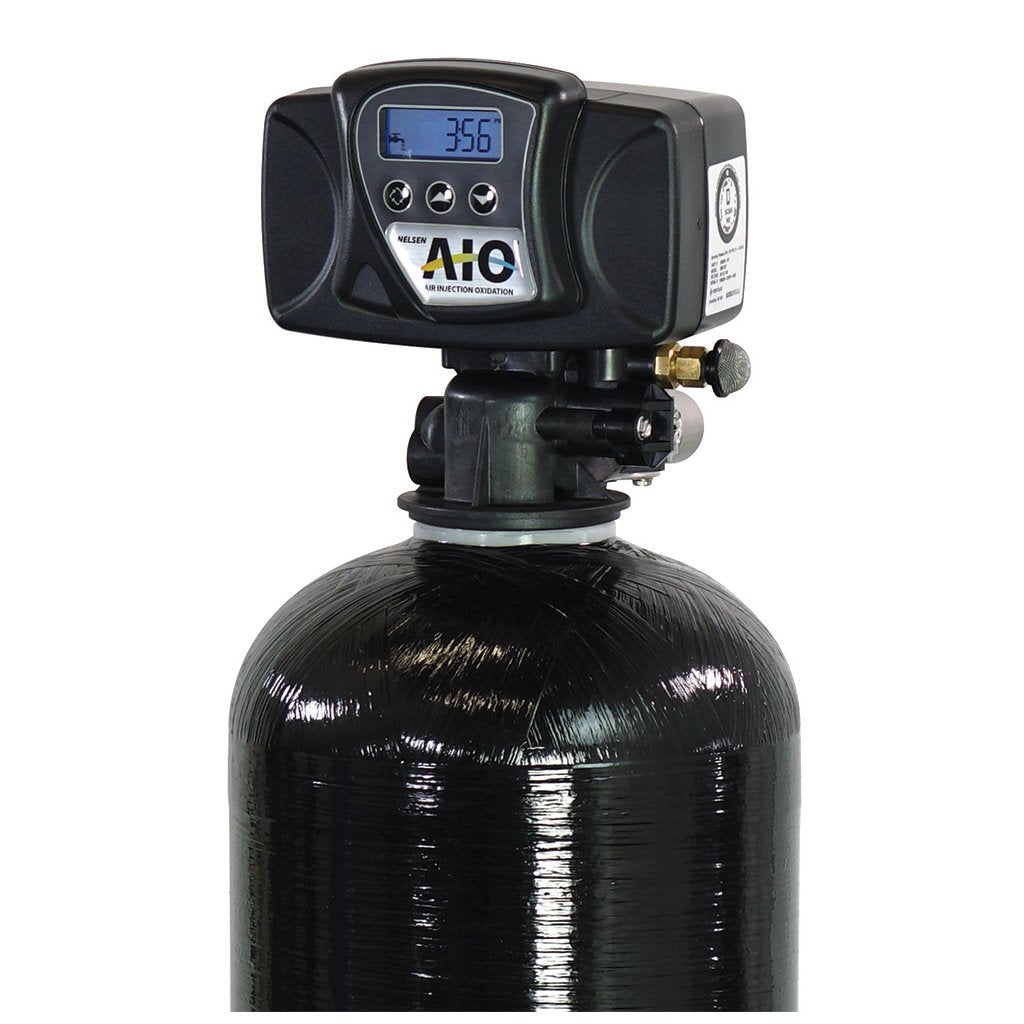
Union, WA 98592 - Water Purification Iron And Sulfur Removal Filter System

$1,806.99 $2,195.00
✓ Free shipping in the USA · ✓ 90-day returns · ✓ Secure checkout

Understanding Water Quality in Union, WA 98592
Residents of Union, WA, often notice a distinctive metallic taste in their tap water, a common indication of high levels of iron and sulfur. These contaminants are frequently associated with groundwater, particularly in areas where the geological formations include iron-rich minerals. In many households, the presence of these minerals leads to a series of water quality issues that can affect both health and home appliances.
Common Issues with Iron and Sulfur in Union's Water Supply
Iron can appear in water in two forms: soluble ferrous iron, which is colorless and dissolved, and insoluble ferric iron, which adds reddish-brown stains to sinks and laundry. Sulfur, on the other hand, is often recognized by its peculiar rotten-egg odor, which can be off-putting in daily use. High concentrations of these elements can not only impact the taste and smell of water but can also lead to issues such as:
- Staining of fixtures and laundry
- Clogged pipes and plumbing fixtures
- Unpleasant smells that diminish the quality of your home environment
Why You Need an Iron and Sulfur Removal Filter System
An iron and sulfur removal filter system is specifically designed to address the unique challenges presented by your local water chemistry. With many homes relying on wells or municipal sources in the region, installing a system tailored to remove these elements can dramatically improve water quality and protect your plumbing from damage.
These filter systems typically use oxidation and filtration methods to convert soluble iron and sulfur into solid particles that can be easily removed from water. This ensures that your drinking water remains clean and that washing your clothes won’t result in unsightly stains.
Installation Considerations for Your Filter System
When considering installation, several factors come into play. First, assessing your current water quality through testing is crucial. Analyzing results can help determine the concentrations of iron and sulfur, informing the appropriate system size and capacity necessary for your household. Each unit has a specific flow rate and capacity, so selecting a model that matches your daily water usage is essential.
Installation typically requires a location near your main water supply line, ensuring that contaminated water is treated before it enters your home. Accessibility to a power source for the filtration unit and a drainage point for backwash are additional considerations. If you are unsure about the installation process, consulting with professional plumbers or water treatment specialists can simplify the task and ensure proper setup.
Maintenance of Your Iron and Sulfur Removal System
Regular maintenance is pivotal for the longevity and effectiveness of your filtration system. Maintenance tasks may include:
- Periodic backwashing to clean the filter media
- Replacing filter media and cartridges as needed
- Inspecting and cleaning any pre-filters or sediment filters that may become clogged
- Regular testing of your water quality to monitor the efficiency of the system
Most systems require backwashing every few weeks, but the exact frequency will depend on the level of contaminants in your water. A general maintenance schedule should be established to ensure that your system continues to perform optimally.
Evaluating Cost-Effectiveness
While the initial investment in an iron and sulfur removal filter system may seem substantial, it is essential to consider the long-term benefits. The cost incurred from stains on clothing, plumbing repairs, and the impact of poor water quality on home appliances can far exceed the expense of installing a filtration system. With the right system in place, you can prevent these ongoing costs while ensuring that your household has access to clean, safe water.
Choosing the Right System for Your Needs
Not every home in Union will require the same type or size of filtration system. Evaluating your household's specific needs, including the number of occupants and daily water usage, will guide your decision-making process. Systems vary in features such as:
- Regeneration cycles: Some systems require more frequent regenerations than others depending on their design.
- Filter media: Options may include air injection, chemical oxidation, or catalytic technologies.
- Flow rates: Selecting a system that can handle peak water demands without sacrificing efficiency.
Researching and consulting with professionals will enable you to make an informed decision that meets your family’s daily needs while addressing the specific water quality challenges faced in Union.
Final Thoughts
Having access to clean and odor-free water is crucial for maintaining a healthy and comfortable home. High levels of iron and sulfur in your water supply are manageable with the right filtration system, ultimately enhancing both the quality of your water and the comfort of your living space. By understanding the unique challenges posed by local water conditions in Union, WA 98592, you can confidently invest in a solution that fits your household needs.
Understanding Water Quality Testing
Before investing in filtration systems, it's essential to understand the quality of your water. Conducting a water quality test reveals the presence of iron, sulfur, and other contaminants. Home test kits are available for purchase, and many local health departments offer testing services as well. Knowing the exact levels of these substances helps you choose the appropriate filtration system tailored to your specific needs.
Common Methods for Testing Water Quality
- Home Testing Kits: These kits allow homeowners to collect water samples and perform their tests for common contaminants.
- Laboratory Testing: This more advanced option involves sending a water sample to a certified laboratory for detailed analysis.
- Municipal Water Reports: If you receive water from a municipal supply, your local water authority may publish annual reports on water quality, which can provide insights on contaminants present in the water supply.
Maintenance of Filtration Systems
Maintaining your iron and sulfur removal filter system is vital for its efficiency and longevity. Proper upkeep ensures that the system runs smoothly and continues to provide safe drinking water.
Regular Maintenance Tasks
- Filter Replacement: Depending on the type of system you have, filters may need to be replaced every few months or annually.
- Cleaning the System: Periodically cleaning various system components can help prevent the buildup of contaminants and maintain performance.
- Monitoring Performance: Keep an eye on water clarity, taste, and odor. Any significant changes may indicate a need for a system check or maintenance.
Signs Your System Needs Attention
- Changes in water pressure, indicating possible clogs.
- Foul odors or tastes returning to the water supply.
- Visible discoloration in the water.
The Role of Water Softeners
In addition to iron and sulfur removal, water softeners can significantly improve water quality. Hard water, containing high levels of calcium and magnesium, can cause scale buildup and reduce the efficiency of household appliances.
Benefits of Water Softeners
- Improved Lathering: Softened water enhances soap lathering, making cleaning more effective.
- Appliance Longevity: Soft water reduces scale buildup, helping appliances last longer and function more effectively.
- Cleaner Dishes and Laundry: Soft water results in cleaner dishes and softer laundry, eliminating soap scum and fabric stiffness.
How Water Softeners Work
Water softeners typically use ion exchange technology, where hard minerals are replaced with sodium or potassium ions. This process helps prevent the negative impacts of hard water while allowing your filtration system to focus on removing iron and sulfur.
Your Environment and Its Impact on Water Quality
Environmental factors, such as soil composition and industrial activities, can influence the levels of iron and sulfur in your water. Understanding how these factors interact with your local water supply can be beneficial in making informed decisions regarding water treatment.
Local Environmental Considerations
- Soil Type: The natural geology of your area can dictate the mineral content in the groundwater.
- Industrial Impact: Proximity to manufacturing or mining activities can affect water quality due to potential runoff and contamination.
- Agricultural Practices: Fertilizers and pesticides can leach into the groundwater, sometimes affecting sulfur and other mineral levels.
Exploring Alternative Water Treatment Options
While iron and sulfur removal systems are popular, other water treatment technologies may also suit your needs. Exploring a variety of options ensures you find the most effective solution.
Alternative Filtration Technologies
- Reverse Osmosis: This advanced filtration method effectively removes a wide range of contaminants, including heavy metals, by using a semipermeable membrane.
- Ultraviolet (UV) Treatment: UV systems disinfect water by using UV light to kill bacteria and viruses, ensuring that your water is free from microbial contamination.
- Activated Carbon Filters: These filters are ideal for removing chlorine, sediment, and volatile organic compounds (VOCs), improving the taste and odor of water.
Considerations for Alternative Systems
When exploring alternative water treatment technologies, it’s essential to consider factors such as installation requirements, ongoing maintenance, and compatibility with existing filtration systems. Consulting with a water treatment professional can help you navigate these options effectively.
Community Initiatives for Water Quality
In many areas, community efforts focus on promoting water quality and sustainability. Participating in or supporting these initiatives can have a broader impact on local water sources and public health.
Engaging with Local Organizations
- Volunteer Programs: Get involved with local organizations that advocate for water conservation and clean water initiatives.
- Water Quality Workshops: Attend workshops that teach residents about water management, pollution prevention, and water quality monitoring.
- Advocating for Regulations: Support policies that aim to reduce pollution and improve the sustainability of local water sources.
Conclusion
Ensuring high-quality water in your home goes beyond simply installing a filtration system. By understanding water testing, maintenance, environmental factors, and alternative treatments, you can make informed decisions that best serve your household and community. Engaging with local initiatives will not only enhance your family’s water quality but also contribute to the wellbeing of the entire community. As you navigate these various aspects of water management, remember that the health benefits of clean water should always be a top priority.
Understanding the Importance of Water pH
The pH level of your drinking water is a critical factor that can influence both its safety and taste. Ideally, water should have a pH level between 6.5 and 8.5. Water that is too acidic (lower than 6.5) can corrode pipes, which may lead to the leaching of metals such as lead and copper into the water supply. Conversely, water that is too alkaline (higher than 8.5) can cause scaling in pipes and appliances.
Testing and Adjusting Water pH
Regular testing of water pH is advisable for households that rely on well water or have older plumbing systems. Home testing kits are available that allow you to check pH levels easily. If adjustments are needed, there are products such as pH increasers and decreasers available for home use to help balance your water's acidity.
Alternative Water Sources
In addition to conventional municipal supplies, many households are exploring alternative water sources to improve sustainability. Rainwater harvesting systems, for example, can capture and store rainwater for non-potable use, such as irrigation and toilet flushing.
Benefits of Rainwater Harvesting
- Reduces reliance on municipal water sources, decreasing demand on local aquifers.
- Provides a sustainable solution for landscaping and garden care.
- Can lower water bills by supplementing domestic water usage.
Water Scarcity and Conservation Techniques
Water scarcity is an emerging global issue that affects many regions. Adopting water conservation techniques in your home can make a substantial difference. Simple actions like fixing leaks, using low-flow fixtures, and reducing lawn sizes can contribute significantly to overall water savings.
Smart Technology for Water Conservation
- Install smart irrigation systems that adjust watering schedules based on weather conditions.
- Utilize leak detection systems to catch issues before they escalate into larger problems.
- Implement water-efficient appliances, such as dishwashers and washing machines, that use less water per cycle.

Related