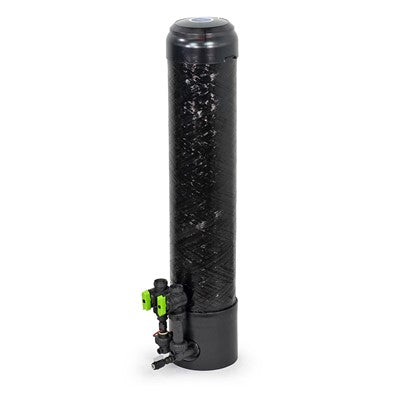
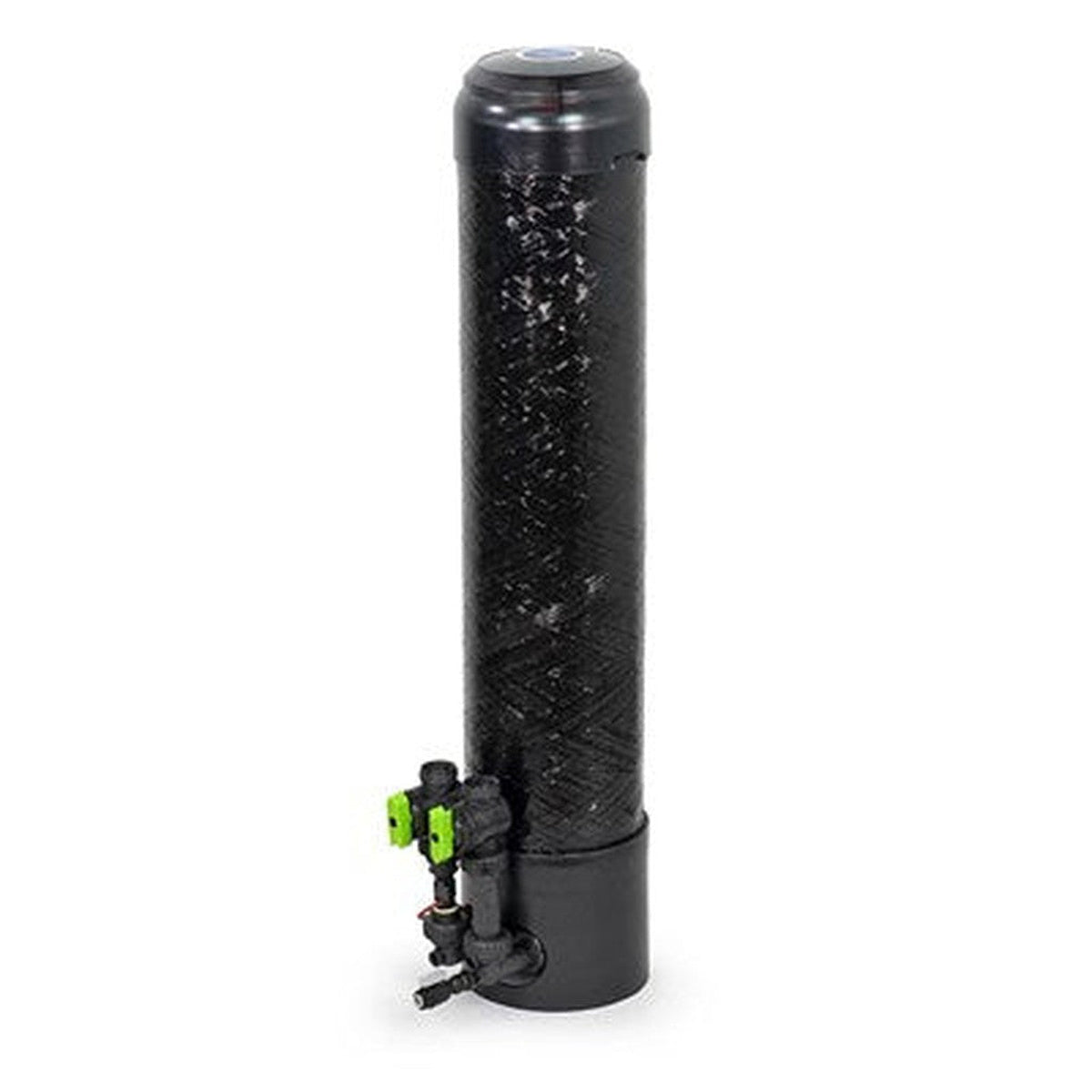
Edmeston, NY 13315 - Iron Sulphur Space Saver Pro Filter
$1,976.00 $2,389.00
Water Softener Plus Iron Sulphur Water Filter
✓ Free shipping in the USA · ✓ 90-day returns · ✓ Secure checkout

Addressing Water Quality Needs in Edmeston, NY 13315
If you've recently turned on your tap in Edmeston, you may have noticed unusual tastes or odors in your water. For homeowners here, iron and sulfur in groundwater can create significant quality issues, affecting everything from the flavor of drinking water to the appearance of laundry. With high-mineral content characteristic of the region, investing in a reliable water treatment solution is more than just a luxury—it's a necessity.
Understanding Local Water Chemistry
The water in Edmeston often contains elevated levels of both iron and sulfur. Iron can create undesirable red or brown stains on plumbing fixtures, while sulfur can impart a rotten egg smell, indicating the presence of hydrogen sulfide. These contaminants not only affect aesthetics but can also impact water quality for cooking and drinking. A system designed to combat these specific challenges is crucial for maintaining a clean and safe water supply.
Why Choose the Iron Sulphur Space Saver Pro Filter?
When considering an effective water treatment solution in Edmeston, the Iron Sulphur Space Saver Pro Filter stands out due to its efficient design and compact size. This filter is specifically formulated to remove both iron and sulfur from your water supply, rendering it tasteless and odor-free. The design makes it ideal for homes where space is at a premium, allowing homeowners to enjoy clean water without sacrificing valuable storage areas.
Equipment Sizing and Installation
Before purchasing, it’s essential to assess the size of the filter that best suits your household's needs. Factors to consider include the number of residents, daily water consumption, and the specific concentration of contaminants in your water supply. The Iron Sulphur Space Saver Pro Filter is designed for various flow rates and household sizes, but proper sizing ensures maximum efficiency and longevity of the system.
Installation of the filter should ideally be handled by a qualified professional, especially to maintain the integrity of your plumbing. The compact design minimizes modifications needed to your existing setup, which can often lead to a smoother installation process.
Maintenance Intervals and Considerations
Routine maintenance is key to ensuring that your Iron Sulphur Space Saver Pro Filter operates effectively over time. Regular check-ups, typically recommended every six months, can help identify potential issues before they escalate. During these maintenance sessions, a technician will inspect the unit, clean or replace filter media, and ensure that the system is functioning at optimal capacity.
It’s also advisable to monitor the quality of your water periodically by conducting water tests for iron and sulfur levels. This can help gauge the performance of your filter and determine whether additional adjustments or services are needed.
Tips for Homeowners
- Understand Your Water: Familiarize yourself with your home's specific water quality profile. Local testing services can provide insights into the levels of iron and sulfur present, which will inform your purchasing decisions.
- Compatibility: Ensure your existing plumbing can accommodate the new filter. Consult with professionals regarding any necessary upgrades or repairs.
- Water Softening: Consider whether a water softener might also be necessary. In areas with hard water, combining treatments can help ensure comprehensive water quality improvement.
- Stay Informed: Keep an eye on local water quality reports and any changes in source water as environmental factors can influence contaminant levels.
Community Insights
Community experiences can also shape your understanding of water treatment needs in Edmeston. Many homeowners share stories of how installing a dedicated iron and sulfur filter has dramatically improved their quality of life, enabling them to enjoy clear, clean water without chemical tastes or odors. Engaging with local homeowner forums or social media groups can provide valuable insights and shared experiences that may guide your decision-making process.
Summary
In Edmeston, NY 13315, the presence of iron and sulfur in your water supply is a common concern that requires active management. The Iron Sulphur Space Saver Pro Filter is an effective solution designed for homeowners seeking to combat these issues while conserving space. With proper sizing, professional installation, and routine maintenance, you can ensure a steady supply of clean, safe water for your household.
Investing in a reliable water treatment solution is essential for maintaining your home's water quality. By addressing iron and sulfur concerns proactively, you enhance not only the usability of your water supply but also the overall comfort and satisfaction of life in Edmeston.
Understanding the Science Behind Iron and Sulfur in Water
To make informed decisions about water treatment, it is essential to understand the underlying science behind the presence of iron and sulfur in water. Both elements occur naturally in the earth and can leach into groundwater supplies, particularly in areas with certain geological formations. This section will delve into how these elements interact with water, their implications for health, and the importance of understanding their behavior in a domestic setting.
The Role of Iron in Water Quality
Iron is a naturally occurring element that can often be found in groundwater. It typically exists in two forms: ferrous (dissolved) and ferric (precipitated). The ferrous form is soluble and does not impart any color or taste, while the ferric form can cause discoloration and have an undesirable metallic taste. When water containing iron is exposed to air, it oxidizes and converts into ferric iron, leading to visible staining in sinks, toilets, and laundry.
Health Implications of Iron Ingestion
While iron is an essential nutrient necessary for human health, with excessive ingestion could lead to health complications. It is crucial for oxygen transport in the blood, but too much iron can cause gastrointestinal distress and can have harmful effects on the liver, particularly in individuals with conditions like hemochromatosis. However, the typical concentration of iron found in water supplies does not usually present a significant health risk for most individuals.
The Nature of Sulfur in Water Supplies
Sulfur, particularly in the form of sulfide, is another element commonly found in groundwater. It is often associated with a distinctive rotten egg odor, which can be unpleasant and indicative of the presence of hydrogen sulfide gas. This gas can form in anaerobic conditions within aquifers, where organic material decomposes without oxygen. While hydrogen sulfide is typically present in low concentrations, it can be a significant nuisance and may affect water quality.
Health Effects Related to Sulfur Consumption
Like iron, modest amounts of sulfur are not typically harmful. However, elevated concentrations, especially of hydrogen sulfide, can lead to health concerns. These may include respiratory irritation, nausea, and headaches among sensitive individuals. In higher concentrations, hydrogen sulfide can be toxic and may even pose a risk of explosion under certain conditions.
Choosing the Right Filter for Your Needs
When selecting a water filtration system to manage iron and sulfur levels, it is vital to consider the specific requirements of your household. Not all filters are created equally, and understanding the various technologies available can help you make a wise investment.
Types of Filters for Iron and Sulfur Removal
- Oxidizing Filters: These filters use oxidation to convert dissolved iron and sulfur into solid particles, which can then be filtered out. They typically employ mineral media like manganese greensand or an air injection system to promote oxidation.
- Activated Carbon Filters: While primarily used for removing organic contaminants and improving taste and odor, certain activated carbon filters can also reduce hydrogen sulfide levels. However, they are not as effective in removing iron.
- Water Softeners: While primarily designed to address hard water issues, water softeners can also help reduce ferrous iron levels. They achieve this by exchanging calcium and magnesium ions for sodium ions.
- Dual-Stage Systems: Combining filtration technologies can maximize contaminant removal. A dual-stage system may involve an oxidizing filter followed by a carbon filter, enhancing both particulate removal and taste improvement.
Evaluating Filter Efficiency
When considering a filtration system, evaluating its efficiency is essential. Look for filters that have been certified by reputable organizations such as NSF International or the Water Quality Association. These certifications provide assurance that the product meets industry standards for contaminant reduction.
The Importance of Regular Maintenance
Proper maintenance of water filtration systems is critical to ensure their long-term effectiveness and your home's water quality. Neglecting routine upkeep can lead to decreased performance, potentially reintroducing contaminants back into your water supply.
Key Maintenance Practices
- Regular Replacement of Filter Media: Follow the manufacturer's recommendations for replacing filter media to maintain peak performance. This may include replacing activated carbon, backwashing oxidizers, or regenerating water softeners.
- Periodic Testing of Water Quality: Conduct regular tests to monitor the levels of iron, sulfur, and other contaminants in your water supply. This will help you gauge the effectiveness of your filtration system and identify any necessary adjustments.
- Flush the System: Routine flushing of the system can help eliminate accumulated contaminants and optimize performance. Follow guidelines provided by the manufacturer for your specific system.
- Consult with Professionals: Enlisting professional maintenance services can help ensure that your filtration system remains in good working order. Professionals can perform comprehensive assessments, identify potential issues, and provide recommendations for necessary improvements.
Environmental Considerations
As with any home improvement project, it is essential to consider the environmental impact of your water treatment choices. Sustainable practices can help mitigate the ecological footprint associated with water filtration systems, contributing to long-term water quality improvement.
Eco-Friendly Filtration Options
- Recycled Materials: Opt for filtration systems that utilize recycled materials in their production. Many manufacturers are now incorporating sustainable materials, reducing the overall environmental impact.
- Low Energy Consumption: Choose systems that are designed for energy efficiency, minimizing electricity usage and reducing greenhouse gas emissions.
- Minimal Waste Generation: Look for filters that generate little waste during operation and have replacement parts that can be recycled. This contributes to reducing landfill contributions.
Water Conservation Techniques
In addition to selecting eco-friendly filtration systems, implementing water conservation techniques can further promote sustainable practices in your household. Simple changes, such as fixing leaks, installing aerators, and utilizing rainwater harvesting, can significantly reduce water usage while still maintaining a high quality of water supply.
Community Programs and Incentives
Many local governments and organizations offer programs and incentives to support homeowners in improving their water quality. These initiatives may include financial assistance for water treatment installations, educational workshops on water conservation, or resources for sustainable landscaping practices that reduce water usage. Engaging with these community programs can provide beneficial information and support for homeowners in Edmeston.
Staying Connected with Local Resources
- Participate in Local Workshops: Attend workshops or seminars hosted by local water authorities or environmental organizations to learn more about maintaining water quality and sustainability practices.
- Join Community Groups: Connect with local homeowner associations or environmental groups to share resources and experiences related to water treatment and conservation.
- Advocate for Clean Water Initiatives: Get involved in advocacy efforts aimed at promoting clean water initiatives within the community, ensuring that water quality concerns are prioritized at local and regional levels.
Understanding Water Quality Testing
To ensure the effectiveness of water filtration systems, regular water quality testing is crucial. This process involves analyzing water samples for various contaminants, including bacteria, heavy metals, and chemical pollutants. Homeowners can either hire professionals for comprehensive testing or use at-home testing kits for routine checks.
Types of Water Quality Tests
- Microbiological Testing: Tests for the presence of microorganisms like bacteria and viruses that can pose health risks.
- Chemical Testing: Identifies harmful substances such as pesticides, heavy metals (like lead and arsenic), and industrial chemicals.
- Physical Testing: Assesses water's physical properties, including turbidity, color, and odor, which can indicate pollution levels.
Frequency of Testing
Regular testing is recommended, especially for well water users, pregnant women, and households with young children. A general guideline suggests testing water at least once a year, with more frequent checks if changes in taste, odor, or appearance are noticed.
Choosing the Right Filtration System
Selecting a water filtration system can be overwhelming given the variety of options available. It is essential to evaluate each system's performance based on specific needs and usage.
Types of Filtration Systems
- Activated Carbon Filters: Effective for removing chlorine, sediment, and volatile organic compounds (VOCs), enhancing taste and odor.
- Reverse Osmosis Units: Highly efficient in eliminating a wide range of contaminants, including heavy metals and microorganisms; however, they can waste water during the filtering process.
- Ultraviolet (UV) Purifiers: Utilizes UV light to kill bacteria and viruses, making it an excellent choice for microbiological contamination.
Capacity and Maintenance
Consider the capacity of the filtration system in relation to household water consumption. Systems with higher output may be suitable for larger households. Additionally, it is vital to understand the maintenance requirements, including filter replacement schedules and system cleaning practices to ensure optimal performance.
Advancements in Water Filtration Technology
Technology continues to advance, leading to the development of innovative water filtration solutions. These advancements aim to improve efficiency, reduce waste, and enhance the user experience.
Smart Filtration Systems
Emerging smart technologies in water filtration systems allow homeowners to monitor water quality in real-time. Features may include app integration, automated filter replacement alerts, and performance tracking, which can help maintain the system effectively.
Desalination Techniques
With the growing concern about water scarcity, desalination technologies are becoming increasingly relevant. These methods process seawater or brackish water and convert it into freshwater through various techniques, mainly reverse osmosis and distillation. While energy-intensive, ongoing research aims to enhance the efficiency and reduce the ecological footprint of these systems.
Environmental Impact and Sustainability
When choosing water filtration solutions, consider their environmental impact. Sustainable water filtration systems can minimize energy consumption, use recyclable materials, and lessen water wastage. Understanding the lifecycle of filtration products, from manufacturing to disposal, is vital for making environmentally conscious choices.
Community Engagement for Sustainability
Actively engaging with local environmental initiatives can amplify efforts towards sustainable water practices. Participating in community clean-up events, educational programs, and advocacy campaigns can enhance awareness about water issues and promote collaborative solutions.