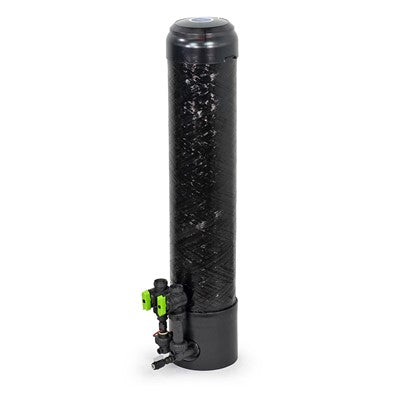
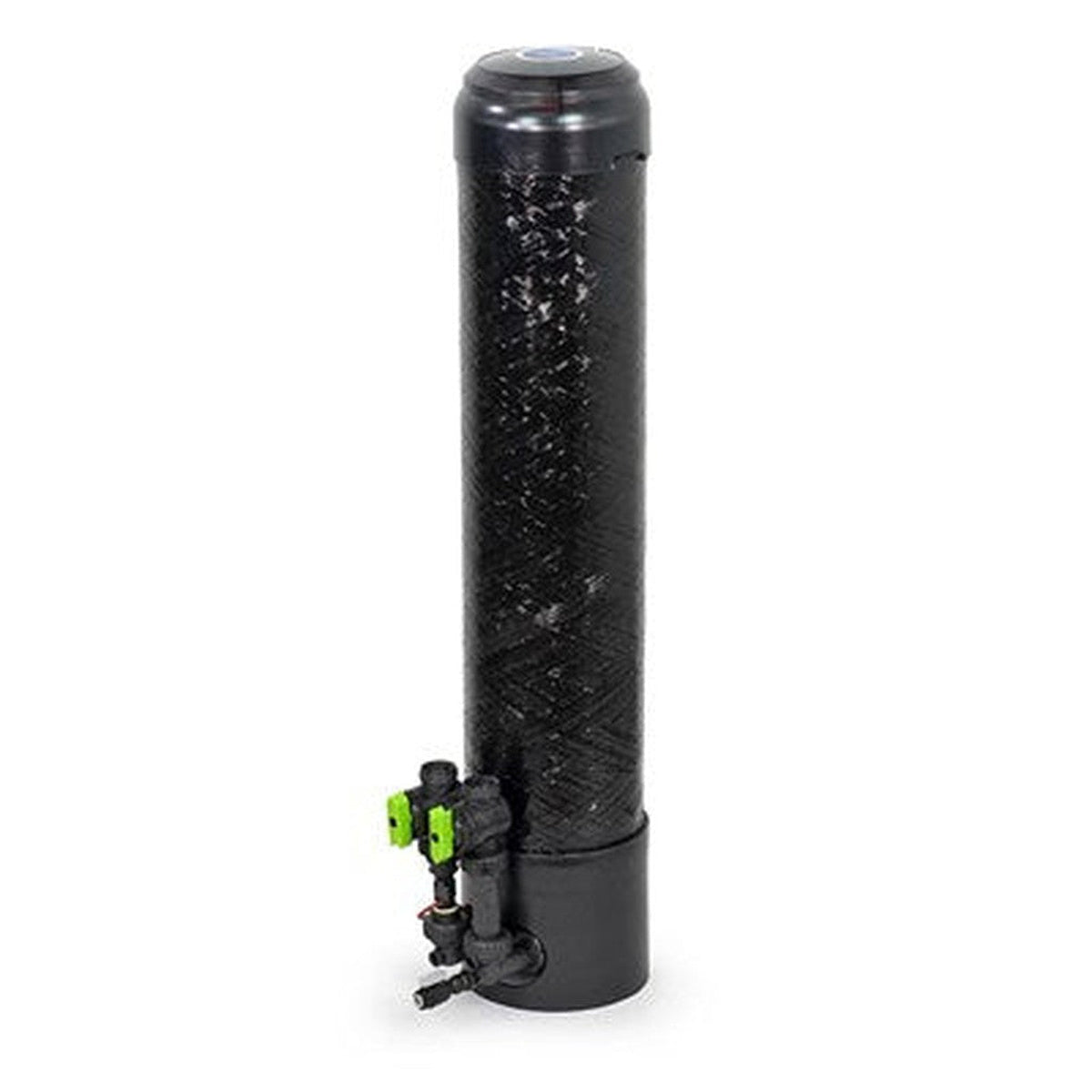
Rural, KS 67035 - Iron Sulphur Space Saver Pro Filter
$1,976.00 $2,389.00
Water Softener Plus Iron Sulphur Water Filter
✓ Free shipping in the USA · ✓ 90-day returns · ✓ Secure checkout

Overcoming Water Quality Issues in Rural, KS 67035
Residents of Rural, Kansas, often notice an unpleasant odor and taste in their tap water, primarily due to the presence of iron and sulfur. These contaminants not only affect the palatability of the water but can also lead to unsightly staining on plumbing fixtures and laundry, leaving many wondering how to effectively resolve these issues.
Understanding Iron and Sulfur in Your Water
The groundwater in the 67035 area can have elevated levels of iron and hydrogen sulfide, both of which contribute to problems in residential water supplies. Iron typically manifests as a rust-like stain on sinks and toilets, while sulfur is characterized by a distinct ‘rotten egg’ odor. This odor can be particularly bothersome in and around home environments where water is frequently used.
Why Choose the Iron Sulfur Space Saver Pro Filter?
The Iron Sulfur Space Saver Pro Filter is designed specifically for areas like Rural, KS, where homeowners have limited space yet require effective filtration of these contaminants. This model combines several filtration technologies to address both iron and sulfur issues without occupying significant floor area. With its compact design, it's an ideal solution for smaller basements or utility spaces.
Sizing Your Filter: The Right Fit for Your Home
When selecting a water treatment system, size and flow rate are crucial to ensure optimal performance. The Iron Sulfur Space Saver Pro Filter is engineered to accommodate homes with varying water consumption rates. For households using an average of 10-15 gallons of water per person per day, this filter effectively handles the demands without compromising water quality. It's advisable to assess your household’s specific needs based on the number of occupants and average water usage to ensure the filter can keep up with demand.
Installation Considerations
Installing the Iron Sulfur Space Saver Pro Filter can be a straightforward process, but there are several factors to keep in mind. First, ensure that you have adequate space for the unit. While it’s designed to be compact, it still requires connections to your existing plumbing system. It’s best to consult with a plumbing professional to evaluate your home’s configuration and determine the most accessible location for installation.
- Location: Install near the main water line to ensure all water entering your home is treated.
- Drainage: Ensure there’s adequate drainage available for backwashing the filter, which is an essential part of maintaining its efficacy.
- Power Supply: Some models may require a power source for their controls, so plan your installation location accordingly.
Maintenance Intervals and Care
To ensure the Iron Sulfur Space Saver Pro Filter continues to perform optimally, regular maintenance is essential. Filters typically recommend backwashing every 4-6 weeks, depending on water usage and contaminant levels. Regularly check the pressure gauge and manual, as they provide valuable insights into when maintenance is due.
Additionally, consider performing a routine inspection every six months to ensure all components are functioning correctly. It’s an opportunity to catch any potential issues early and prolong the lifespan of your system. A well-maintained filter can significantly improve water quality over the years, ultimately providing better value for your investment.
Understanding Your Water Supply’s Specific Needs
Every household may present different challenges when it comes to water quality. Assessing the specific makeup of your water supply will provide insights into how best to protect your plumbing and appliances. For those in Rural, KS, periodic water testing is advised to gauge levels of iron and sulfur, as well as other possible contaminants.
- Visual Indicators: Look for staining on fixtures, which often signals a high iron content.
- Odor: A persistent sulfur smell can indicate the need for filtration solutions.
- Water Taste: A metallic taste may point to elevated iron levels, necessitating a filtration review.
Community Resources and Support
For homeowners in Rural, KS, seeking advice on water quality, numerous local resources can provide support. Local extension offices often have information on water testing services, as well as recommendations on suitable treatment options. Connecting with neighbors or local community groups can yield shared experiences and additional insights into managing water quality in the region.
Conclusion: Investing in Clean Water
Making informed decisions about your water treatment options is essential for the health and well-being of your family. The Iron Sulfur Space Saver Pro Filter offers a practical, space-efficient solution for tackling common water quality issues in Rural, KS. By considering installation and maintenance factors, as well as engaging with local resources, you can ensure that your home’s water remains safe, clean, and free from unpleasant odors and stains.
Understanding Different Types of Water Filtration Systems
When it comes to improving water quality, various filtration systems are available to suit different needs. Understanding the various types of filtration technologies can help homeowners in Rural, KS, make informed decisions based on their specific water issues.
Activated Carbon Filters
Activated carbon filters are widely used for their effectiveness in removing chlorine, sediment, and volatile organic compounds (VOCs) from water. They work through a process called adsorption, where contaminants stick to the surface of the carbon granules.
- Advantages: Improve taste and odor; relatively low maintenance.
- Limitations: Not effective for hard minerals or heavy metals.
Reverse Osmosis Systems
Reverse osmosis (RO) systems are known for their capacity to eliminate a wide range of contaminants, including heavy metals, salts, and some bacteria. This process involves pushing water through a semi-permeable membrane that allows only clean water to pass through.
- Advantages: Highly effective at purifying drinking water; removes a broad spectrum of impurities.
- Limitations: Can waste a significant amount of water during filtration; requires regular maintenance to replace filters and membranes.
Water Softeners
Water softeners are essential for households dealing with hard water, which contains high levels of calcium and magnesium. These systems replace hardness-causing minerals with sodium ions, improving the lifespan of plumbing and appliances.
- Advantages: Reduces scale buildup; improves soap efficiency; enhances overall water quality.
- Limitations: Increases sodium content in water; requires regular replenishment of salt.
Factors to Consider When Choosing a Water Filter
Choosing the right water filtration system for your home involves consideration of various factors to ensure optimal performance and suitability.
Water Quality Assessment
Before selecting a filtration system, it is crucial to conduct a water quality assessment. Understanding the specific contaminants present in your water supply will help in choosing the most effective filtration method.
- Conduct a Water Test: Test for common pollutants such as lead, bacteria, nitrates, and hardness levels.
- Consider Local Water Characteristics: Research local water quality reports and consult with experts.
Flow Rate and Capacity
The flow rate determines how quickly water can be filtered and delivered for use within the home. It's essential to select a system that meets your household's specific water demands, especially during peak usage times.
- Household Size: Larger households may require systems with a higher flow rate.
- Peak Usage: Consider times when water consumption may spike, such as during morning routines.
Installation and Space Requirements
Each filtration system has different installation needs and space requirements. Some systems may need professional installation, while others are designed for DIY setups.
- Space Limitations: Some under-sink models save space but require cabinet room.
- Complex Installations: Systems requiring plumbing modifications may necessitate professional help.
Health Benefits of Clean Water
Clean water is vital for overall health and well-being. Understanding the health benefits associated with quality water can encourage homeowners to invest in proper filtration systems.
Improved Hydration
Access to clean and safe drinking water promotes optimal hydration, essential for bodily functions, including digestion, circulation, and temperature regulation. Good hydration supports physical health and cognitive function.
Reduced Risk of Waterborne Illnesses
Proper filtration significantly lowers the risk of exposure to harmful microorganisms, including bacteria and viruses that can cause waterborne diseases. Ensuring safe drinking water is crucial for protecting vulnerable populations, including children and the elderly.
Enhanced Nutrient Absorption
When water is contaminated with impurities, it can hinder the body's ability to effectively absorb essential nutrients. Clean water helps improve digestion and nutrient absorption, supporting overall health.
Maintenance Best Practices for Filtration Systems
Regular maintenance is key to ensuring the longevity and effectiveness of your water filtration system. Establishing a maintenance routine can provide long-term benefits.
Regular Filter Changes
Each filtration system has specific guidelines for filter replacement intervals. Following these recommendations is essential to maintain water quality and system efficiency.
- Check Filter Lifespan: Familiarize yourself with the lifespan of your filters, usually indicated by usage or time.
- Keep a Schedule: Set reminders for regular maintenance checks and filter replacements.
System Inspections
Conducting periodic inspections of your filtration system can help identify issues before they become major problems. Look for signs of leaks, unusual noises, or decreased water pressure.
Cleansing the Water Storage Tank
If your system includes a storage tank, it’s vital to clean it periodically to prevent sediment buildup and bacterial growth. Follow the manufacturer’s guidelines for cleaning procedures.
Environmental Impact of Water Filtration
Understanding the environmental considerations surrounding water filtration is increasingly important. By selecting eco-friendly filtration solutions, homeowners can minimize their ecological footprint.
Reduction of Plastic Waste
Investing in a quality filtration system reduces reliance on bottled water, significantly lowering plastic waste and its impact on the environment. Encouraging a refillable approach supports sustainable practices.
Energy Consumption
Different filtration systems have varying energy requirements. Homeowners should consider energy-efficient models that minimize electricity use while still delivering high-quality water.
Conservation Awareness
Using a filter can promote awareness and responsibility regarding water conservation. By understanding the value of clean water, residents are more likely to adopt water-saving habits in daily life.
Community Engagement and Education
Engagement with local communities can enhance knowledge about water quality and filtration solutions while fostering a culture of conservation.
Workshops and Educational Programs
Local organizations may offer workshops and seminars on water quality and filtration options, providing valuable insights and resources for homeowners.
Collaborative Water Testing Initiatives
Communities can organize collaborative water testing initiatives, allowing residents to share results and develop collective solutions for common water issues.
Online Forums and Support Groups
Engaging with online forums can help homeowners connect with others facing similar water quality challenges. Sharing experiences and solutions can foster a supportive community.
Conclusion
By exploring various water filtration systems, maintaining regular upkeep, and engaging with community resources, homeowners in Rural, KS, can ensure their water is clean, safe, and of the highest quality. Taking action not only benefits individual households but contributes to community health and environmental sustainability.
Regulatory Compliance and Local Standards
When considering water filtration systems, it's essential to understand the regulatory framework governing water quality in your area. Different jurisdictions have specific standards that water utilities must adhere to, and homeowners should be aware of these regulations to ensure that their filtration systems comply.
- Local Water Quality Reports: Many municipalities publish annual water quality reports that detail the contaminants present in the water supply and assess their compliance with federal guidelines.
- Permits and Inspections: Homeowners might need to obtain permits for installing certain filtration systems, especially if plumbing alterations are involved. Regular inspections can help ensure compliance with safety standards.
Understanding Water Quality Indicators
Before selecting a filtration system, it's crucial to understand various water quality indicators that can affect health and taste. These indicators offer insights into the water's overall safety and palatability.
- pH Levels: The acidity or alkalinity of water is crucial for both taste and health. Most filtration systems can help correct pH imbalances.
- Turbidity: This refers to the cloudiness of water caused by suspended particles. High turbidity can indicate contamination, and effective filtration can help clarify water.
- Contaminants: Knowing the common contaminants—like lead, nitrates, and bacteria—can guide the choice of filtration system tailored to specific needs.
Types of Filtration Technologies
Various filtration technologies cater to different water quality issues. It's essential to understand these technologies to choose the most effective system for your home.
- Activated Carbon Filters: These are popular for removing chlorine, sediment, and volatile organic compounds (VOCs). They improve taste and odor but may not be effective against all contaminants.
- Reverse Osmosis Systems: This technology pushes water through a semipermeable membrane, effectively removing a broad spectrum of contaminants, including heavy metals and dissolved solids.
- Ultraviolet (UV) Filters: UV filters use light to deactivate harmful microorganisms, making them ideal for treating biological contaminants in water.
Impact of Seasonal Changes on Water Quality
Water quality can fluctuate with seasonal changes, affecting the efficiency of filtration systems and the broader water supply. Homeowners should be aware of these variations to maintain optimal filtration.
- Spring Runoff: Increased precipitation in spring can lead to higher levels of sediment and contaminants in water, necessitating more frequent filter changes or system adjustments.
- Summer Heat: Warmer temperatures can accelerate algal blooms, especially in surface water sources, emphasizing the need for effective filtration to ensure safe drinking water.
- Winter Issues: In cold weather, pipes may become vulnerable to freezing, which can lead to potential contaminants leaching from plumbing systems as water thaws.
Homeowner Maintenance and Responsibilities
Regular maintenance is vital for ensuring the longevity and effectiveness of water filtration systems. Homeowners should develop a maintenance schedule to keep their system operating at peak performance.
- Regular Filter Changes: Follow the manufacturer's recommendations for filter replacement to ensure continued removal of contaminants.
- System Inspections: Periodically inspect the filtration system for leaks, clogs, or other functional issues that could impede performance.
- Monitoring Water Quality: Consider using home testing kits to periodically check water quality and assess the performance of your filtration system.
The Role of Smart Technology in Filtration
Smart technologies are becoming more prevalent in home water filtration solutions. These innovations can enhance efficiency and user experience.
- Remote Monitoring: Some systems offer app connectivity, allowing homeowners to monitor water quality and filter life in real time from their smartphones.
- Automated Alerts: Smart filtration systems can send notifications when filter changes are due or if water quality drops below acceptable levels.
- Data Analytics: Advanced systems can analyze usage trends and suggest optimal filtration settings based on consumption patterns.