
Limescale in Mason County Water: Understanding Aquifer 110QRNR Hardness Range
$6,373.93
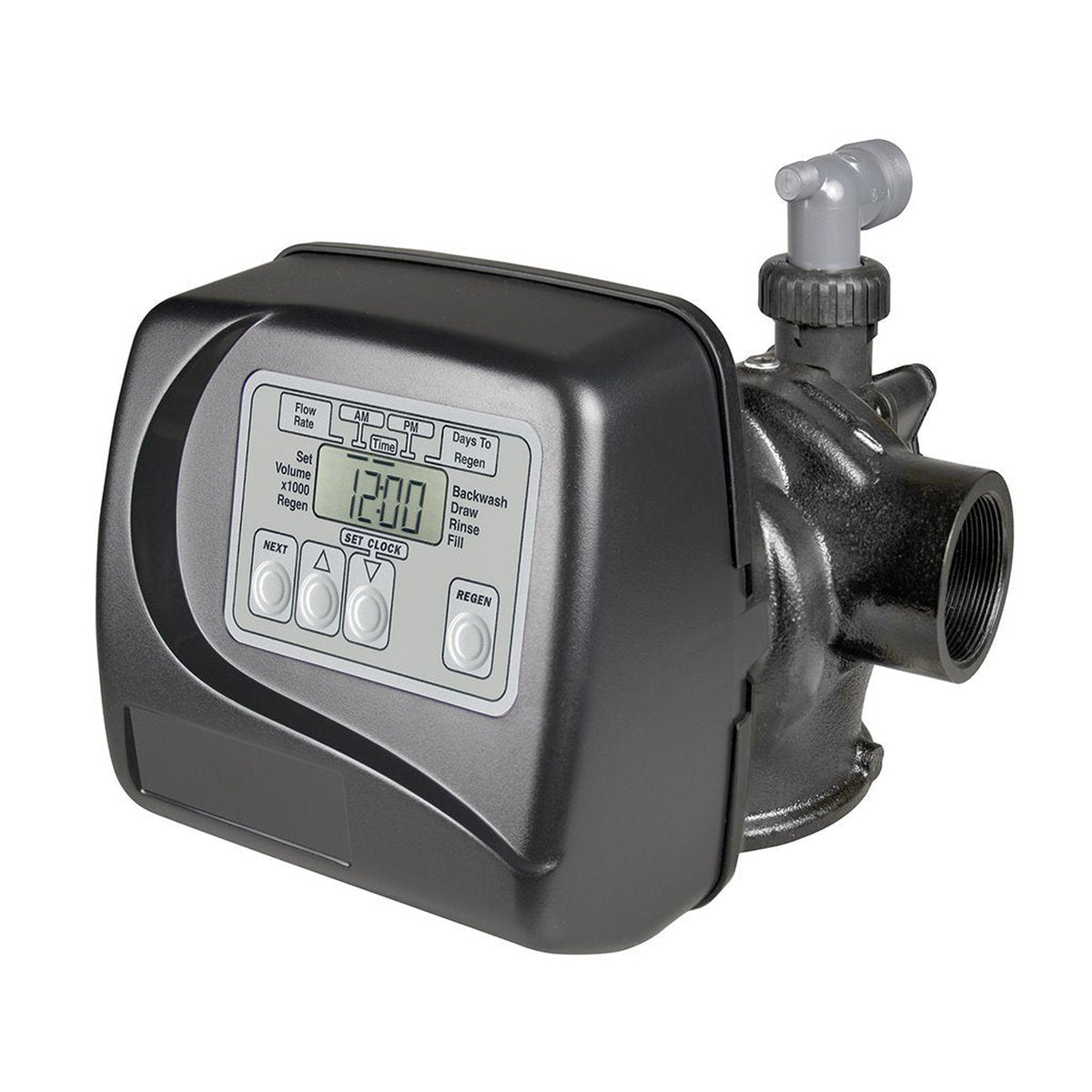
Nelsen 150,000 Grain Mineral-Tank Commercial Water Softener
✓ Free shipping in the USA · ✓ 90-day returns · ✓ Secure checkout

Understanding the Measured Hardness Range Against Federal Guidelines and Its Limits
The U.S. Geological Survey collected water samples from Mason County's aquifer 110QRNR, recording hardness levels measured as calcium and magnesium concentrations. Eleven samples from a single well taken between July 2022 and July 2025 show a median hardness of 295.0 mg/L with a range from 268.0 to 314.0 mg/L. None of these measurements surpassed any federal threshold. Hardness in this context is not regulated as a health risk but is monitored because it influences water utility and can cause limescale buildup.
It is essential to note that these figures describe a regional aquifer's typical hardness range, not the specific water in your commercial facility's well or supply. Only a direct test of your water can reveal your exact hardness level.
Distinguishing Limescale From Other Common Water Issues
Limescale arises from mineral deposits, primarily calcium and magnesium compounds, that accumulate when hard water is heated or evaporates. It is often confused with sediment buildup or corrosion byproducts, but these are chemically and operationally different problems. Sediments are particulate matter visible as grit or cloudiness, unrelated to dissolved hardness. Corrosion involves metal ions leaching from pipes and fixtures, a separate chemical process from mineral scale formation.
Influence of Sample and Well Depth or Water Source on Expected Hardness
The sampled wells in this record were 30 feet deep, representing the upper aquifer conditions in Mason County. Hardness can vary with depth; deeper wells might encounter water with different mineral balances due to geological layering. Surface water sources or shallower wells often have lower hardness. Understanding the depth of your water source can help anticipate hardness levels but should be combined with actual measurements.
Evaluating Commercial Water Treatment Capacity Based on Daily Use
Commercial water use demands vary widely across facilities, impacting the sizing and capacity of any treatment system to address limescale effectively. The 48 Fiberglass Tanks-Single Unit Skid f is designed as a commercial system skid that ships ready to configure for such applications. Assessing your facility’s average daily water volume and peak flow rates is necessary to determine the capacity needed to reduce hardness efficiently and prevent scale buildup in equipment and piping.
Seasonal and Multi-Year Variability Reflected in Aquifer Sampling
The sampling dates from July 2022 to July 2025 provide a multi-year perspective on hardness consistency in aquifer 110QRNR. The relatively narrow range between 268.0 and 314.0 mg/L over three years indicates stable conditions without significant seasonal fluctuations. Facilities relying on this aquifer can anticipate consistent hardness levels but should still monitor their own water for variability driven by operational or environmental factors.
In summary, the Mason County aquifer 110QRNR water hardness record offers valuable insight into regional limescale potential but cannot substitute for direct testing of your commercial water supply. Understanding source characteristics and demand will guide the choice and sizing of a treatment system like the 48 Fiberglass Tanks-Single Unit Skid f commercial system skid to effectively manage limescale concerns.
Where this information comes from
Source: USGS groundwater sampling. Sampled 2025-07-30. These figures describe groundwater sampled in this area. They are not a test of any individual private well - only a test of that well can establish its own water.
On record: U.S. Geological Survey sampling of Hardness, Ca, Mg in the 110QRNR aquifer (Mason County): 11 results from 1 wells, median 295.0 mg/L, range 268.0-314.0 mg/L; none above any federal threshold