
Limescale Challenges in New Castle County Industrial Water and Process-Water Specifications
Pricing: request a quote
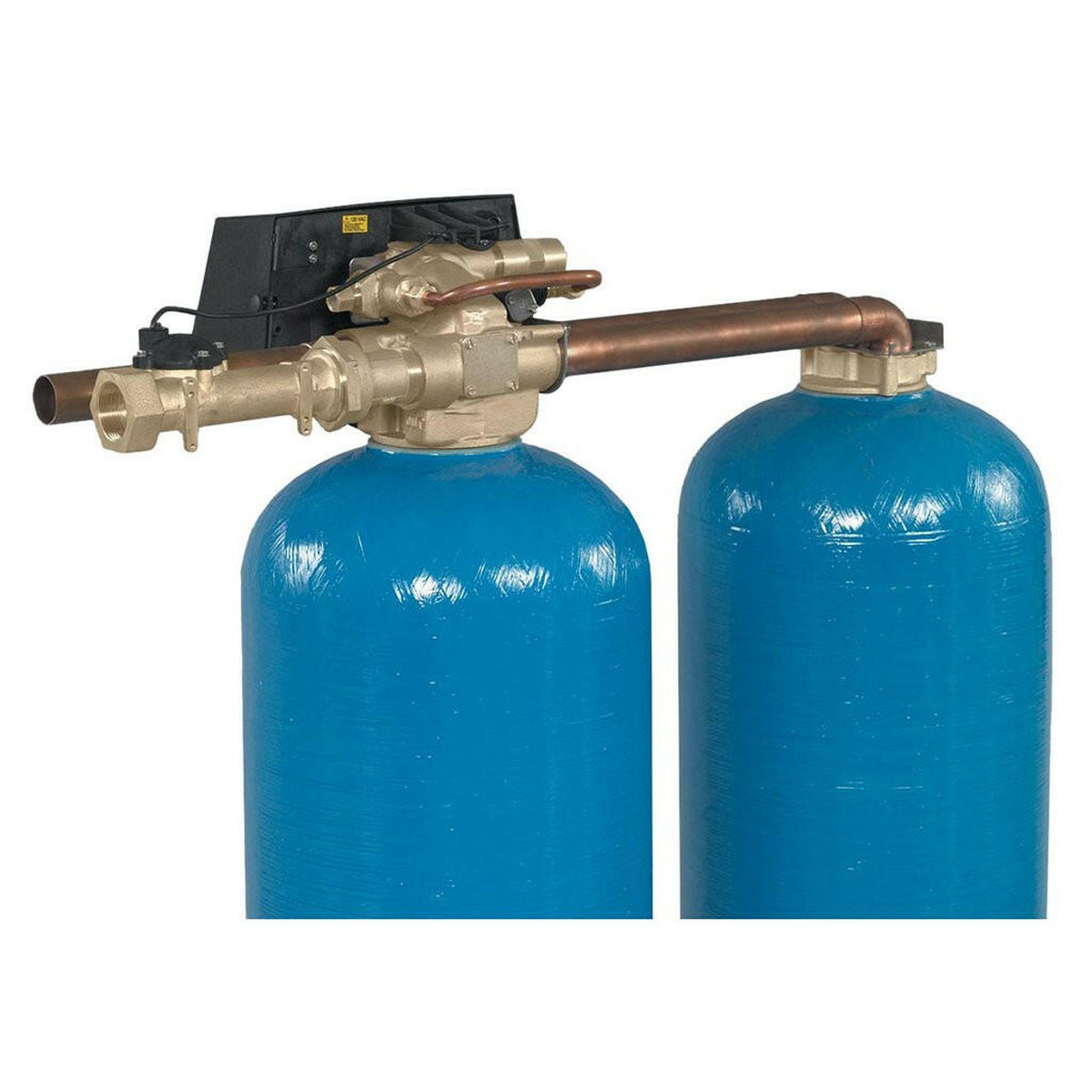
Get a QuoteFleck Industrial 150,000 Grain Commercial Water Softener
✓ Free shipping in the USA · ✓ 90-day returns · ✓ Secure checkout

Questions Industrial Operators Add to Household Water Concerns
How consistent is hardness data across the aquifer?
U.S. Geological Survey sampling of aquifer 125RCCS in New Castle County found calcium and magnesium hardness in all 24 samples from 23 wells ranging from 1.07 to 250.0 mg/L, with a median of 137.0 mg/L. This range indicates variability in groundwater hardness that can impact industrial processes requiring tight water quality specifications.
Are federal safety thresholds exceeded in local groundwater?
None of the hardness results from these area wells surpass federal thresholds. This confirms that detected hardness concentrations, while potentially impactful for equipment and processes, do not represent violations of health-based water standards.
What must be tested to confirm your process water quality?
Because these figures describe the general area and not your specific source, your industrial operation requires direct hardness testing of your supply well or connection to establish accurate process water parameters for treatment decisions.
Changes Noted for Larger or Seasonal Water Users
How do large-volume withdrawals affect hardness variability?
Industrial use often involves higher water volumes than households, which can highlight fluctuations in hardness more rapidly. Seasonally variable usage or second-site operations may observe shifts in scale formation risks related to such fluctuations.
Does operational scale show seasonal hardness trends?
While government data is a composite from multiple wells and does not track seasonality, operators managing seasonal or multi-site water sources should monitor hardness variations regularly to anticipate limescale buildup.
Water Quality Changes at the Tap After Mineral-Tank Treatment
How does a commercial water softener alter hardness?
The Nelsen 120,000 Grain Mineral-Tank Commercial Water Softener reduces calcium and magnesium ions responsible for limescale, effectively lowering hardness levels in treated water to meet industrial process criteria.
What improvements appear in process water consistency?
By conditioning incoming water to reduce hardness, equipment surfaces are less prone to mineral deposits, improving process efficiency, reducing maintenance needs, and supporting compliance with process water specifications.
Plumbing Material and Age Roles in Limescale Development
Does pipe material affect limescale buildup?
Older metal pipes may accumulate scale deposits faster due to surface corrosion and mineral attraction, while newer or non-metallic materials often resist buildup despite similar water hardness.
Can plumbing age mimic or exaggerate hardness effects?
Yes, aging infrastructure may increase visible scaling and flow restriction independent of source water hardness, necessitating separate assessments from water quality testing.
Aesthetic Secondary Standards Versus Health-Based Limits
Are limescale thresholds health-based?
Hardness standards relate to aesthetics such as taste, staining, and scaling potential, not direct health concerns. Detected levels across the area do not indicate unsafe water but may conflict with industrial process specifications.
Why should operators differentiate these standards?
Recognizing that aesthetic secondary standards differ from health limits helps prioritize treatment objectives focused on process quality and operational reliability rather than health safety compliance.
Closing: What Not to Conclude from Area Water Data
While New Castle County groundwater samples provide valuable insight into regional hardness ranges, these findings do not specify your plant’s water quality. Only direct hardness testing at your water point can determine the exact mineral content affecting your process. Additionally, the absence of federal limit exceedances in area data does not guarantee limescale risk is negligible for your industrial application. Responding effectively may require deploying equipment such as the Nelsen 120,000 Grain Mineral-Tank Commercial Water Softener, which ships ready to configure for your system’s needs.
Where this information comes from
Source: USGS groundwater sampling. Sampled 2024-08-20. These figures describe groundwater sampled in this area. They are not a test of any individual private well - only a test of that well can establish its own water.
On record: U.S. Geological Survey sampling of Hardness, Ca, Mg in the 125RCCS aquifer (New Castle County): 24 results from 23 wells, median 137.0 mg/L, range 1.07-250.0 mg/L; none above any federal threshold