
Choosing Treatment for Spot-Free Dishes in Lafayette Parish Commercial Kitchens
$6,373.93
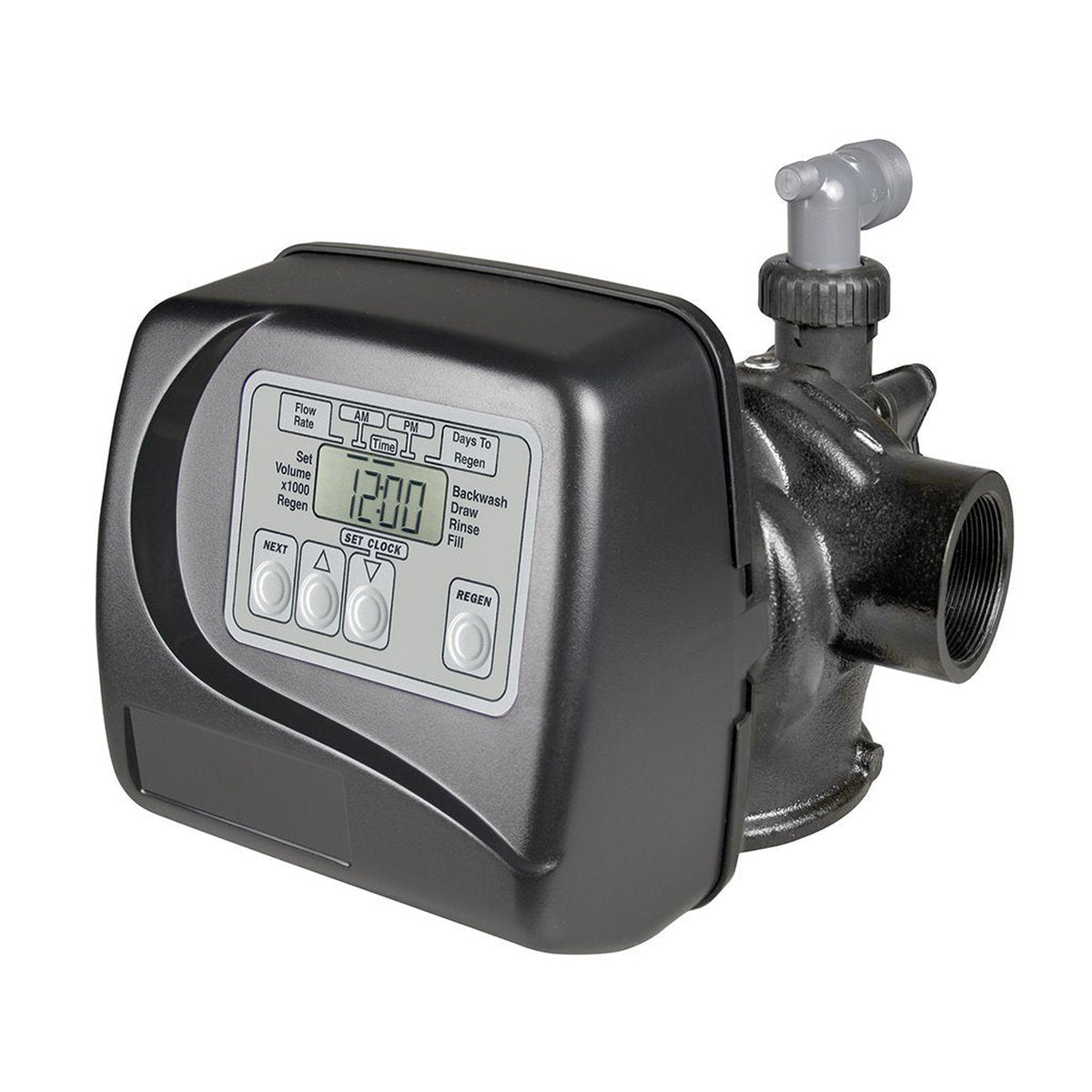
Nelsen 150,000 Grain Mineral-Tank Commercial Water Softener
✓ Free shipping in the USA · ✓ 90-day returns · ✓ Secure checkout

This week, commercial operators in Lafayette Parish face the choice of selecting an effective water treatment approach to achieve spot-free dishes. Understanding the water quality and operational factors that influence dishwashing results is critical to deciding which class of treatment to deploy.
If you notice spots and film on dishes and glassware frequently
The first appliances affected by water composition issues are dishwashers and glasswashers, as mineral deposits can leave spots and reduce product appearance. In commercial settings, even minor spotting can impact customer perception. This is because dissolved minerals tend to precipitate during drying, causing visible marks. Managing these deposits is essential to maintaining high standards for dish presentation.
If you need to address factors unique to commercial water use
Commercial operators must consider higher water volumes, fluctuating water demand, and regulatory compliance beyond residential concerns. Additionally, factors like cycle frequency, detergent choice, and water temperature affect deposit formation and treatment effectiveness. Your water treatment solution must accommodate these operational realities, ensuring consistent water quality without disrupting production flow.
If the building’s plumbing materials and age might influence water treatment outcomes
Plumbing infrastructure can interact with water chemistry independently of source quality. Older pipes may harbor deposits or scale that influence water appearance post-treatment. Different materials such as copper, galvanized steel, or plastic have varying effects on mineral scaling and corrosion. These factors can amplify or mitigate spotting and should be considered alongside source water characteristics.
If you want to understand what “detected,” “median,” and “range” mean in local water sampling
U.S. Geological Survey groundwater monitoring in Lafayette Parish’s aquifer 112CHCTU found mineral hardness detected in all 56 samples from 31 wells, ranging between 26.3 mg/L and 368.0 mg/L, with a median of 106.5 mg/L. “Detected” means the minerals were measurable, not that their presence requires treatment. Median represents the middle concentration value, and range shows variability over time and location. No sample exceeded federal health-based thresholds for these minerals.
If you want a practical example of interpreting local water data for your facility
Imagine your facility’s water hardness relates to this regional data. Knowing that levels can vary widely, your water could fall anywhere within the reported range. This illustrates why in-house water testing is necessary before selecting treatment. The regional median offers a starting estimate, but only onsite analysis can confirm your specific water characteristics for choosing appropriate treatment capacity and technology.
From these considerations, commercial water softeners like the Nelsen 150,000 Grain Mineral-Tank Commercial Water Softener address mineral content that contributes to spotting. It ships ready to configure, designed to handle the volume and hardness typical in commercial environments. However, operators should not assume all regional data translates directly to their water. Testing your own water for hardness and other parameters remains essential for optimal treatment selection.
Where this information comes from
Source: USGS groundwater sampling. Sampled 2021-07-22. These figures describe groundwater sampled in this area. They are not a test of any individual private well - only a test of that well can establish its own water.
On record: U.S. Geological Survey sampling of Hardness, Ca, Mg in the 112CHCTU aquifer (Lafayette Parish): 56 results from 31 wells, median 106.5 mg/L, range 26.3-368.0 mg/L; none above any federal threshold