
Spot-Free Dishes in Clark County: Choosing Treatment Based on Local Water Mineral Data
$208.10
✓ Free shipping in the USA · ✓ 90-day returns · ✓ Secure checkout

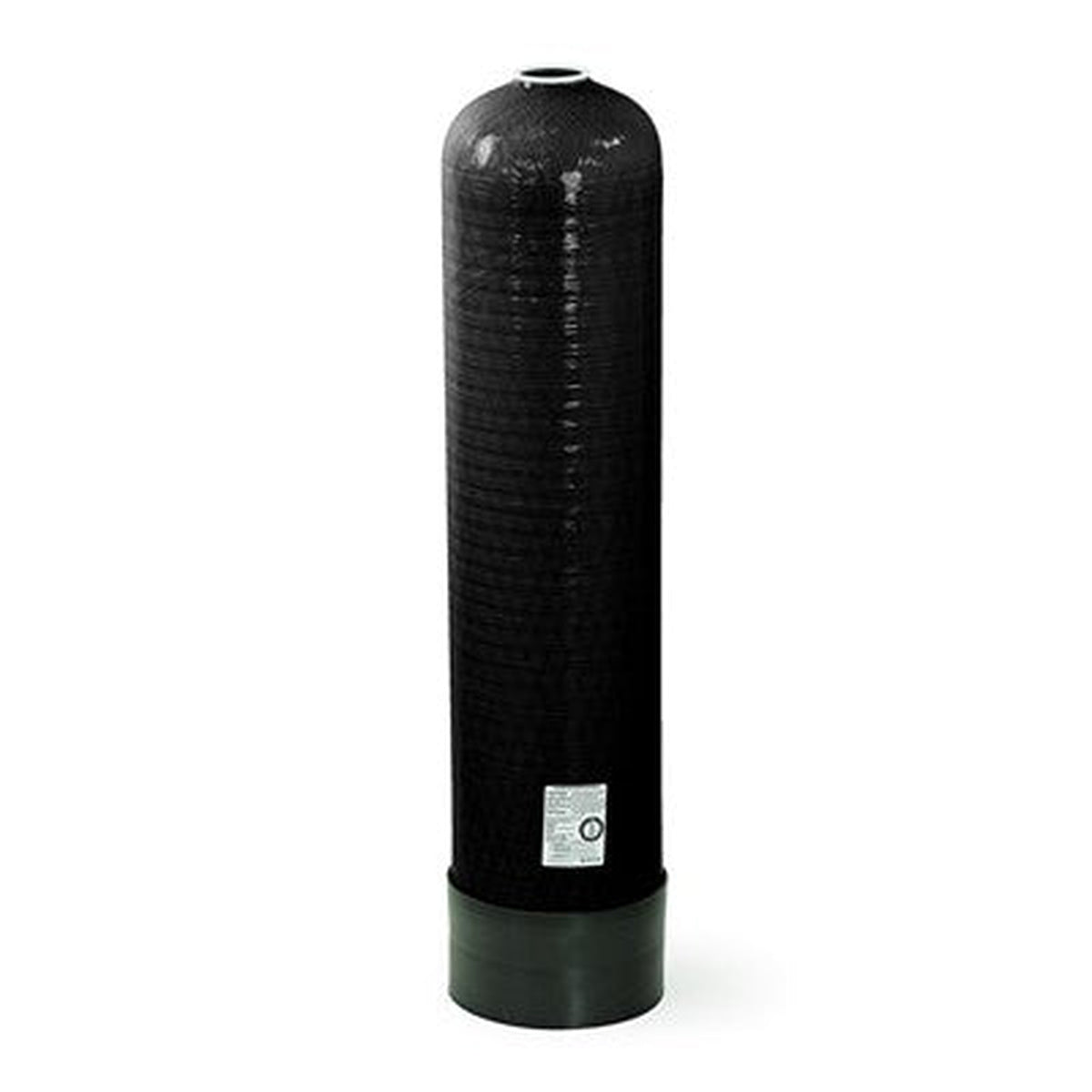
10x44 inch mineral tank for water treatment systems — PT1044-C, Min Tnk, 10x44 Char Poly Glass, CH30523-03010203-30
Buy NowHow often will the Autotrol Spotty Dishes & Glassware System need maintenance?
The Autotrol Spotty Dishes & Glassware System ships ready to configure for residential use and is designed for straightforward upkeep. Typically, maintaining this system involves routine checks and replenishing treatment media at intervals recommended by usage and water characteristics. While exact timing depends on household water consumption and water mineral content, users can expect a maintenance rhythm that balances efficiency with convenience, minimizing disruption.
What is the difference between public water system records and private well testing for Clark County?
Clark County’s aquifer 112OTSH has been sampled by the U.S. Geological Survey, providing mineral data collected from wells 21 to 65 feet deep. These 13 results from 11 different wells, taken over 2010-2020, reflect general area mineral conditions rather than any specific well. Public water system records differ as they often have continuous monitoring and regulatory reporting, whereas private well testing is a one-time or periodic analysis unique to each well's water. The government data indicates median mineral levels but cannot substitute for testing your own water.
What steps should I take to understand if my water needs treatment for spotting?
Start with the simplest and least expensive: visually inspect your dishes for spots after washing. Next, check if the water source is public or private. If private, consider laboratory water testing to measure minerals like calcium and magnesium that contribute to spotting. Understanding local data helps set expectations but does not replace personal testing. Prioritize testing for minerals known to cause spotting and consult treatment options based on your results.
How do aesthetic secondary standards differ from health-based limits for minerals in water here?
The U.S. Geological Survey data from Clark County shows calcium and magnesium concentrations typical of this aquifer, with none exceeding federal health-based limits. However, these minerals can affect taste, cause dish spotting, or result in minor staining. Such aesthetic effects are governed by secondary standards, which do not imply health risks. Recognizing this distinction helps focus treatment decisions on improving household convenience rather than addressing safety concerns.
What role does plumbing material and age play in dish spotting, apart from water source?
Spotting on dishes can be influenced not only by water minerals but also by the materials and condition of household plumbing. Older pipes or certain metals might interact with water differently, affecting how minerals deposit during drying. This factor is separate from the mineral content measured in the aquifer and should be considered when diagnosing persistent spotting problems despite water treatment.
How can I interpret the median and range of mineral data from Clark County as a homeowner?
The median calcium and magnesium concentration in this aquifer area is 394.0 mg/L, with recorded values ranging from 340.0 to 458.0 mg/L. This range indicates typical mineral levels residents might expect in their water but does not predict individual well conditions. Homeowners should view these numbers as a regional guide rather than a guarantee of their own water quality, reinforcing the importance of specific water testing before selecting a treatment.
What should I not conclude from the Clark County aquifer mineral data?
It is important not to assume that the mineral concentrations measured in the sampled wells represent your own well or tap water exactly. Detection of calcium and magnesium in the area is common and within federal health limits, but this does not indicate a problem requiring treatment unless your tests show spotting issues. Also, exceeding aesthetic secondary thresholds is not a safety violation but rather a reason you might consider treatment options for spot-free dishes. Personal water analysis remains the definitive step for making informed treatment choices.
Where this information comes from
Source: USGS groundwater sampling. Sampled 2020-10-27. These figures describe groundwater sampled in this area. They are not a test of any individual private well - only a test of that well can establish its own water.
On record: U.S. Geological Survey sampling of Hardness, Ca, Mg in the 112OTSH aquifer (Clark County): 13 results from 11 wells, median 394.0 mg/L, range 340.0-458.0 mg/L; none above any federal threshold