
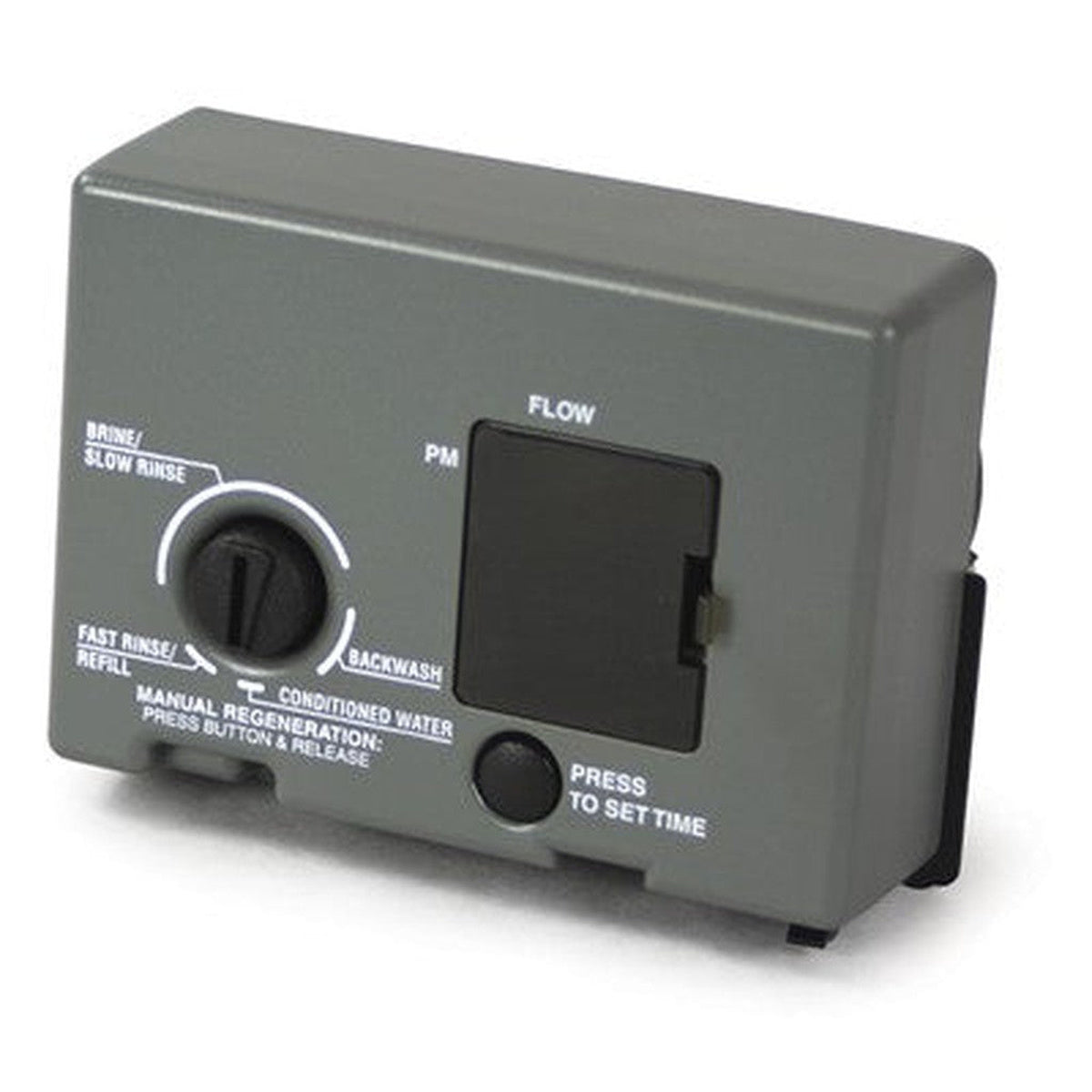
Autotrol 460i Timer 03580
$586.00
Water Softener Plus Autotrol 460i Timer Control Valve Head
✓ Free shipping in the USA · ✓ 90-day returns · ✓ Secure checkout

Understanding the Autotrol 460i Timer 03580 for Your Water Treatment Needs
In rural areas like Lydia, LA, homeowners face unique challenges with water quality that can affect everyday life. With the Autotrol 460i Timer 03580, residents can effectively manage their water softening systems to ensure high-quality water. The timer is a crucial component in automating the regeneration process of your water softener, ultimately prolonging the lifespan of your equipment and enhancing the overall performance.
Water Chemistry in Lydia
The water quality in Lydia, LA, often contains high levels of calcium and magnesium, which contribute to hard water. This hardness can lead to scale buildup in pipes and appliances, reduced soap efficiency, and even the skin irritation caused by mineral-rich water. Having a reliable timer like the Autotrol 460i can make a significant difference in managing your water softening system, ensuring that it operates efficiently and effectively.
Features of the Autotrol 460i Timer
- Digital Control: The intuitive digital display allows for easy programming and monitoring of regeneration cycles, ensuring that your system is always ready when you need it.
- Flexible Scheduling: Homeowners can customize the timing of the regeneration process to suit their lifestyle, thereby optimizing water use and minimizing salt consumption.
- Built-In Diagnostic Features: The timer includes diagnostic tools that help identify issues with the water softening system, allowing for proactive maintenance and troubleshooting.
Maintenance Considerations
Maintaining your Autotrol 460i Timer is straightforward, but it’s essential to adhere to a routine schedule to prevent complications. Regular intervals for checks should include:
- Monthly Checks: Verify that the timer is functioning properly and that the display is clear. Also, ensure that the system is regenerating when scheduled.
- Salt Levels: Monitor your brine tank for sufficient salt levels every month. A low salt level can interfere with the regeneration process, leading to less efficient water softening.
- Bi-Annual Maintenance: Consider a deeper inspection of the softener system and the timer every six months to look for any wear and tear. This can involve replacing filters, inspecting the brine injector, and ensuring that all connections are tight.
Installation Considerations
When installing the Autotrol 460i Timer, location and setup are key. Ideally, the timer should be placed where it will be protected from temperature extremes and moisture. A few important installation tips include:
- Proximity to Water Source: Install the timer as close as possible to the water softener and main water supply line to minimize piping needs.
- Electrical Supply: Ensure that the timer has access to a reliable power source. Consider utilizing a surge protector to safeguard the electronics from power fluctuations.
- Proper Programming: Take the time to program your timer correctly after installation. Consider how many people reside in the home and their water usage patterns to determine appropriate regeneration cycles.
Understanding the Importance of Timers in Water Treatment
The role of a timer in your water softening system goes beyond just ensuring that your system regenerates at the correct intervals. It plays a vital part in enhancing the overall efficiency of your home’s water usage, which is particularly important for residents who rely on well water or have a modest water supply. When programmed correctly, the Autotrol 460i can help you save money in the long run by ensuring that your system only regenerates when necessary.
Optimizing Water Softening Efficiency
Homeowners in Lydia can benefit from understanding their water's specific hardness levels and adjusting the Autotrol 460i Timer accordingly. For instance, during periods of heavy usage or when hosting guests, it may be beneficial to increase the frequency of regeneration cycles to handle the increased demand for softened water. Conversely, during quieter times, reducing the number of cycles can conserve salt and save on resources.
Long-Term Benefits of the Autotrol 460i Timer
Investing in the Autotrol 460i Timer 03580 means investing in peace of mind. By maintaining optimized water treatment practices, you’ll not only extend the life of your water softener but also improve the quality of water used throughout your home. This investment can lead to better skin and hair quality, cleaner dishes, and longer-lasting appliances, which are critical for a household dependent on reliable water treatment.
Conclusion
As a homeowner in Lydia, LA, understanding the role of the Autotrol 460i Timer 03580 in your water treatment system can greatly enhance your water quality and overall living experience. By being proactive about installation, maintenance, and optimization, you’re setting your home up for successful water management that meets your family’s needs. Making an informed decision about your water treatment options is a step toward ensuring that you have clean and safe water at your fingertips.
Understanding Water Quality Parameters
To effectively use the Autotrol 460i Timer, it's essential to have a grasp of the various water quality parameters. This knowledge will not only assist in setting the timer optimally but also in evaluating the overall performance of your water treatment system.
pH Levels
The pH level of your water influences how effectively the water softener performs. Most water softeners operate best within a pH range of 6.5 to 8.5. If your water's pH is too low or too high, it can lead to inefficiencies in the ion exchange process. Testing your water regularly can help you determine if adjustments are necessary.
Hardness Scale
Understanding the hardness scale is crucial when configuring your Autotrol 460i Timer. Water hardness is typically measured in grains per gallon (GPG) or parts per million (PPM). Knowing the exact hardness of your water can help you set the timer to regenerate at appropriate intervals, ensuring that your water remains soft without unnecessary salt usage.
Iron Content
Iron in water can lead to staining and reduced efficiency of your water softener. If your water has high iron content, consider using the Autotrol 460i Timer to schedule more frequent backwashing cycles. This will help eliminate iron build-up and maintain the softening process.
Common Misconceptions About Water Softeners
There are several misconceptions about water softeners that can lead to ineffective usage. Understanding these can foster better maintenance and usage practices.
Myth: Softened Water is the Same as Purified Water
It's important to clarify that softened water is not the same as purified water. Water softening primarily removes calcium and magnesium ions, while purification processes eliminate contaminants and pathogens. If your household requires purified water, additional filtration systems may need to be installed alongside your water softener.
Myth: Water Softeners Use Excessive Salt
While it's true that water softeners require salt for the regeneration process, many homeowners mistakenly believe that this leads to excessive salt consumption. Properly programmed timers like the Autotrol 460i ensure that salt usage is optimized and minimized, offering a balance between efficiency and cost-effectiveness.
Maintenance Tips for Your Water Softener
Regular maintenance of your water softener will ensure its longevity and effectiveness. Here are some essential maintenance tips tailored for the Autotrol 460i Timer.
- Monthly Inspections: Conduct monthly visual inspections for leaks, salt bridging, or any unusual sounds. Early detection can prevent more significant issues.
- Salt Level Monitoring: Regularly check the salt level in your brine tank. It’s crucial to maintain an adequate salt level to avoid inefficient regeneration cycles.
- Cleaning Resin Bed: Depending on water quality, consider cleaning the resin bed annually to remove any accumulated contaminants that can hinder softening efficiency.
- Replace Filters: If your system includes filters, it is advisable to replace them according to the manufacturer's recommendations to ensure optimal performance.
The Role of Water Testing
Water testing is an integral component of managing your water softening system and can guide your optimization efforts effectively.
Testing for Hardness
Utilizing a hardness test kit can provide you with valuable information regarding the mineral content in your water. Knowing whether your water falls into the soft, moderately hard, hard, or very hard categories allows you to configure your Autotrol 460i Timer accurately.
Regular Testing for Contaminants
Beyond hardness, testing for contaminants such as chlorine, sulfur, and heavy metals is crucial. Many testing kits are available, and understanding the results can help you determine whether additional treatments are necessary to maintain water quality.
Enhancing the Lifespan of Your Water Softener
Taking proactive measures can significantly enhance the lifespan of your Autotrol 460i Timer, ensuring that your water softener remains an effective solution for years to come.
- Optimal Placement: Install your water softener in a location protected from extreme temperatures and direct sunlight, as environmental factors can affect its efficiency.
- Regular Professional Check-ups: Schedule annual maintenance checks with a professional technician to identify any potential issues early on, before they develop into costly repairs.
- Education: Stay informed about emerging technologies and best practices in water softening, as advancements may offer new opportunities for optimizing your system.
Understanding the Components of Your Water Softening System
The Resin Tank
The resin tank is a critical component responsible for the actual ion exchange process. Inside the tank, resin beads work to remove hardness minerals such as calcium and magnesium from the water. These beads are typically made from polystyrene and contain sodium ions which replace the hardness ions as water passes through. Over time, these resin beads can become saturated with hardness ions, making routine regeneration necessary to maintain efficacy.
The Brine Tank
The brine tank is where the salt solution is stored and concentrated, allowing for the regeneration of the resin bed. During the regeneration cycle, the brine solution flows into the resin tank, exchanging sodium ions back onto the beads. Understanding the correct salt type and level in your brine tank can maximize the regeneration process and keep your water softener running efficiently.
Common Issues and Troubleshooting Steps
Salt Bridges
Salt bridges occur when a solid layer forms in the brine tank, preventing the salt from dissolving. This can lead to inadequate regeneration of the resin bed. To resolve this issue, inspect the brine tank, break the salt bridge with a broomstick, and add new salt to ensure proper function.
Low Water Pressure
If you notice a drop in water pressure, it could be related to your water softener. Check for clogs in the resin tank or filter, as these can restrict flow. Additionally, inspect the inlet and outlet pipes for any potential blockages that might be impeding water flow.
Additional Maintenance Tips
Monitoring Water Usage
Keep track of your water usage, as fluctuations can indicate a need for maintenance or adjustments. An unexpected increase in consumption may suggest leaks or other issues that require immediate attention.
Consultation with Professionals
While DIY maintenance is essential, consulting with professionals can provide deeper insights. Technicians can conduct comprehensive inspections and recommend tailored solutions to any issues identified during their review.
Documentation and Records
Maintaining a record of all maintenance activities, salt usage, and water test results can help you identify trends over time. This documentation can also be beneficial if professional service is required, providing technicians with important historical context to address any issues efficiently.