
Commercial Limescale Challenges in Linn County Aquifer: Depth and Water Source Effects
$6,373.93
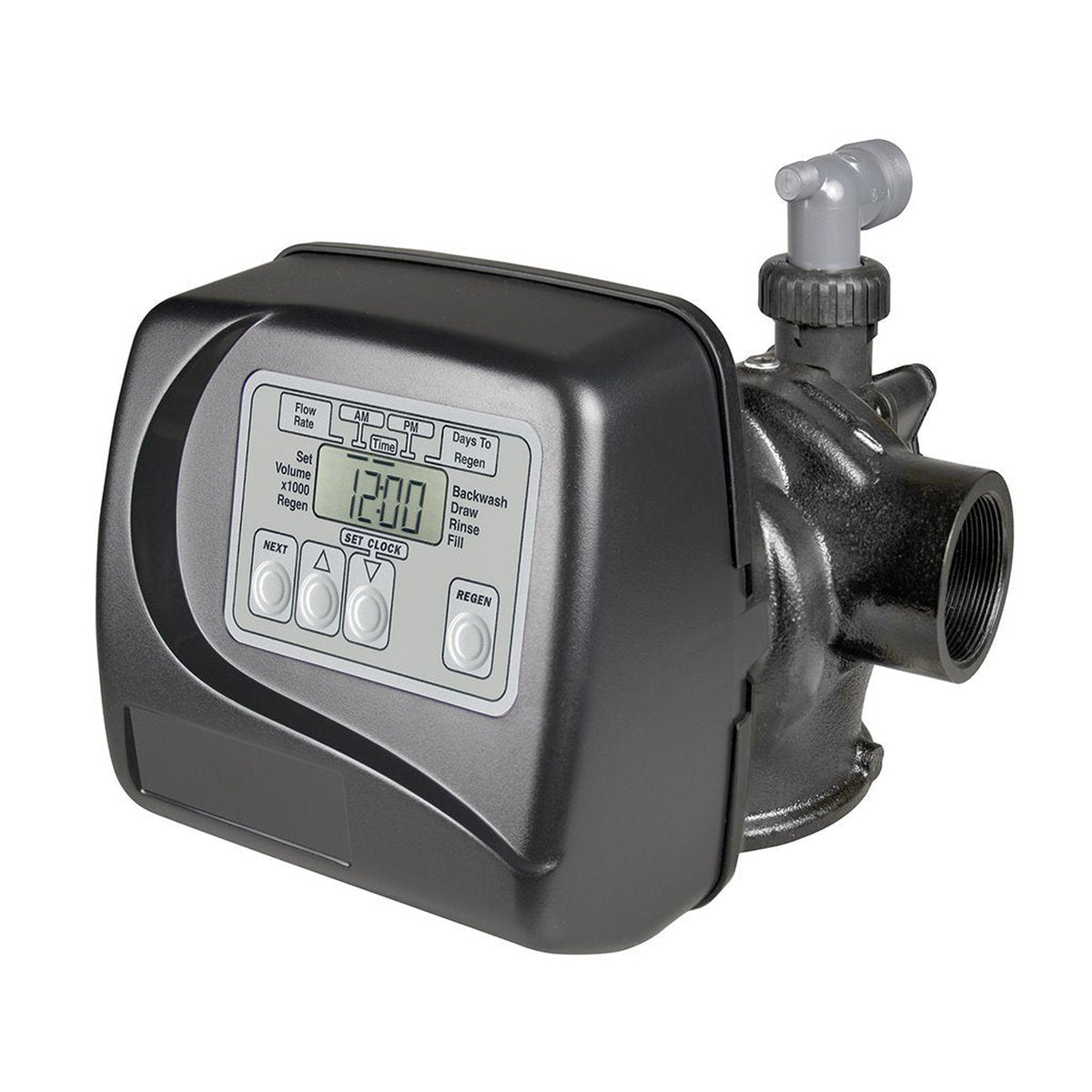
Nelsen 150,000 Grain Mineral-Tank Commercial Water Softener
✓ Free shipping in the USA · ✓ 90-day returns · ✓ Secure checkout

Influence of Well Depth and Source Type on Limescale Expectations
Government groundwater sampling in Linn County's aquifer recorded water hardness (calcium and magnesium) with samples taken from wells approximately 60 feet deep. These results provide an area-wide perspective but do not specify individual well conditions. Depth plays a key role in water chemistry, as aquifers at different depths may vary in mineral content due to geological layering and water-rock interaction time. For commercial operators, knowing the depth and source type offers a baseline for anticipating scale formation potential but requires well-specific analysis to confirm.
Calcium and Magnesium Presence in the Local Groundwater System
In this region, calcium and magnesium enter the aquifer naturally through rock dissolution processes, influencing the hardness of groundwater. These minerals are typical in carbonate-rich formations prevalent in Linn County. Although hardness levels here do not exceed federal health-based thresholds, their presence contributes to limescale buildup, particularly when heated or concentrated in industrial water systems. Understanding the natural origins of these constituents clarifies why treatment may be necessary despite regulatory compliance.
Changes in Water Quality at the Tap Post-Treatment with Commercial System Skids
After configuring a 48 Fiberglass Tanks-Single Unit Skid f commercial system skid, the treated water typically shows reduced hardness-related effects because the equipment is designed to address calcium and magnesium content specifically. This reduction helps prevent scale deposits in pipes, fixtures, and equipment surfaces, preserving system efficiency and longevity. Unlike untreated water drawn directly from the aquifer, water processed through this skid mitigates common maintenance issues related to mineral precipitation.
Identifying Facility Symptoms That Reflect True Limescale Versus Other Issues
Commercial operators should look for specific signs like mineral buildup on equipment heating elements, reduced water flow from scaling inside pipes, or white crusty deposits on fixtures to indicate limescale presence. However, not all operational problems stem from hardness; some may result from unrelated factors such as biofilm or mechanical wear. Careful evaluation helps isolate whether mineral hardness or other causes are at play before deciding on treatment approaches.
Distinction Between Aesthetic Secondary Standards and Health-Based Regulations for Hardness
Federal guidelines set secondary standards for water aesthetics affecting taste, staining, and equipment corrosion potential rather than health safety limits. Hardness falling within the sampled range in Linn County aquifer meets all federal health-based standards, meaning no safety concern arises from the measured calcium and magnesium levels. Treatment decisions focus on operational and maintenance impacts rather than regulatory health compliance.
Assessing Treatment Capacity Relative to Commercial Water Demand
Determining the appropriate size and capacity of a limescale-control system requires matching the commercial facility's daily water usage and peak load demands. The 48 Fiberglass Tanks-Single Unit Skid f commercial system skid is designed to handle high volume and continuous operation typical of industrial or commercial settings. Proper capacity sizing ensures sustained prevention of scale without interruption or overload, supporting consistent facility performance.
Choosing the right limescale treatment for commercial use in Linn County involves understanding how well depth influences hardness levels, recognizing the naturally occurring mineral sources, and distinguishing symptoms accurately. Using a commercial system skid tailored to the facility’s demand can effectively mitigate scale, improving operational reliability while adhering to local water quality realities.
Where this information comes from
Source: USGS groundwater sampling. Sampled 2026-06-23. These figures describe groundwater sampled in this area. They are not a test of any individual private well - only a test of that well can establish its own water.
On record: U.S. Geological Survey sampling of Hardness, Ca, Mg in the aquifer (Linn County): 17 results from 2 wells, median 270.0 mg/L, range 211.0-301.0 mg/L; none above any federal threshold